

19th edition of the International Scientific Conference
Defense Resources Management in the 21st Century
07 – 08 november 2024, Brasov, Romania
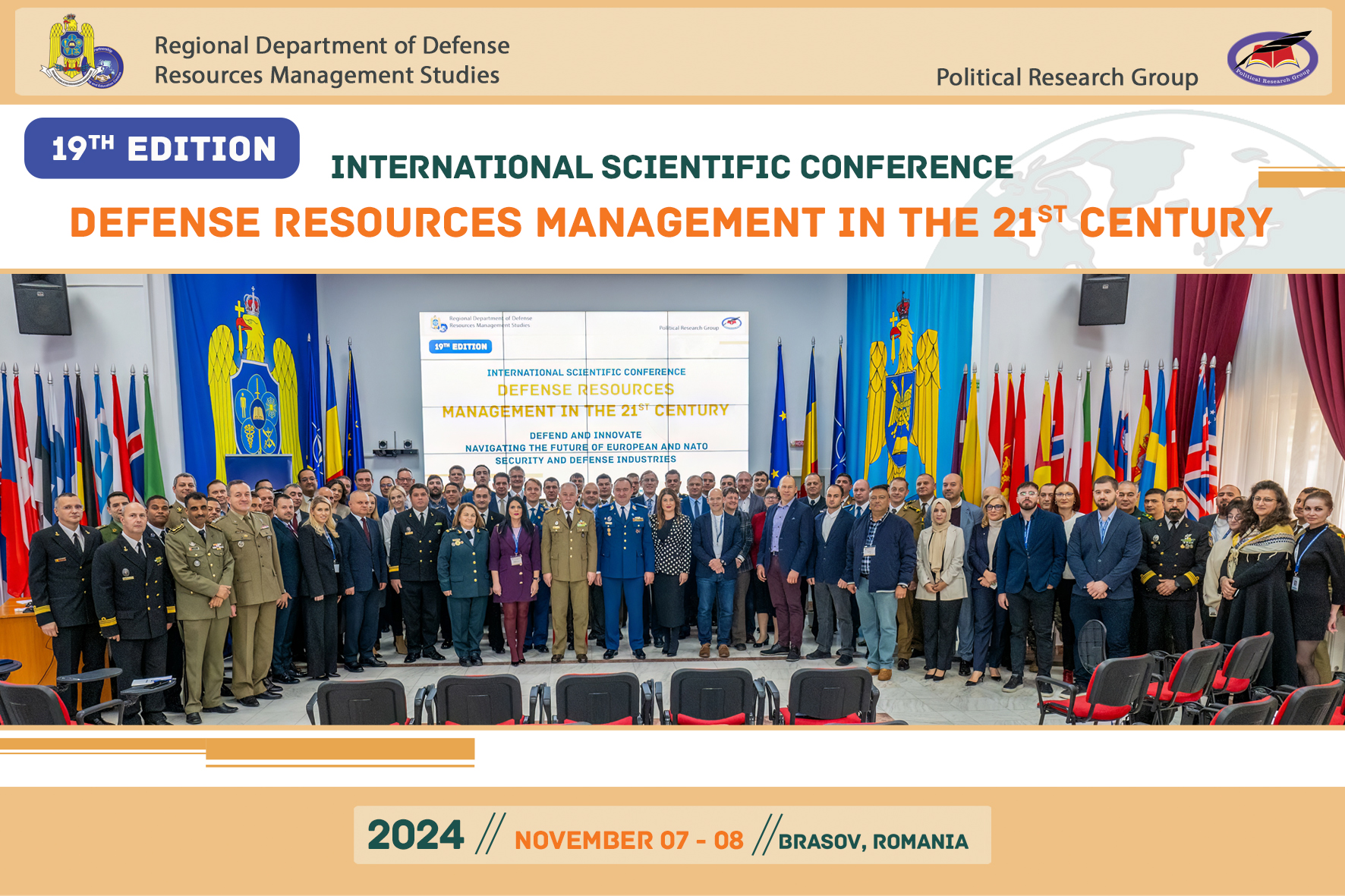
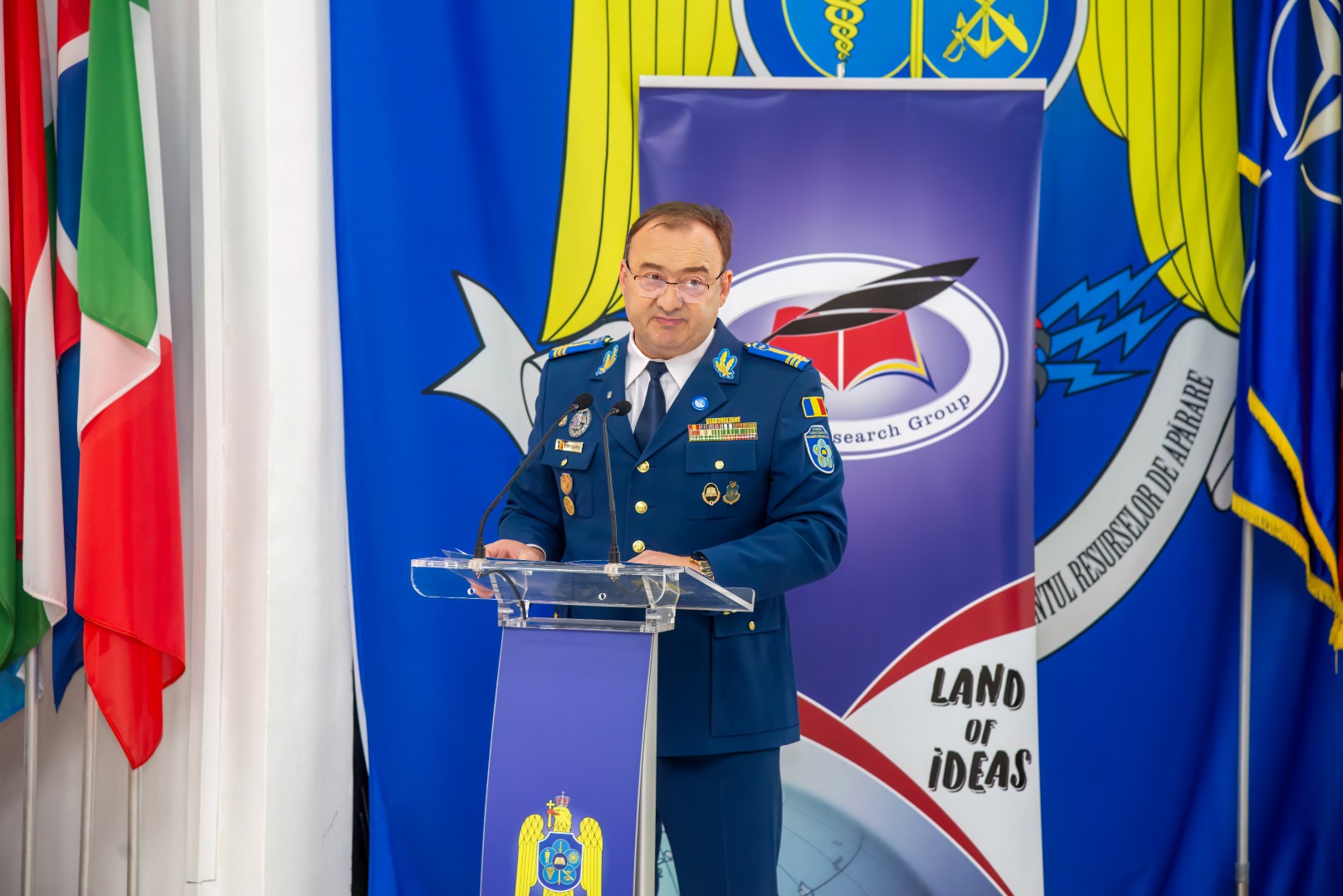
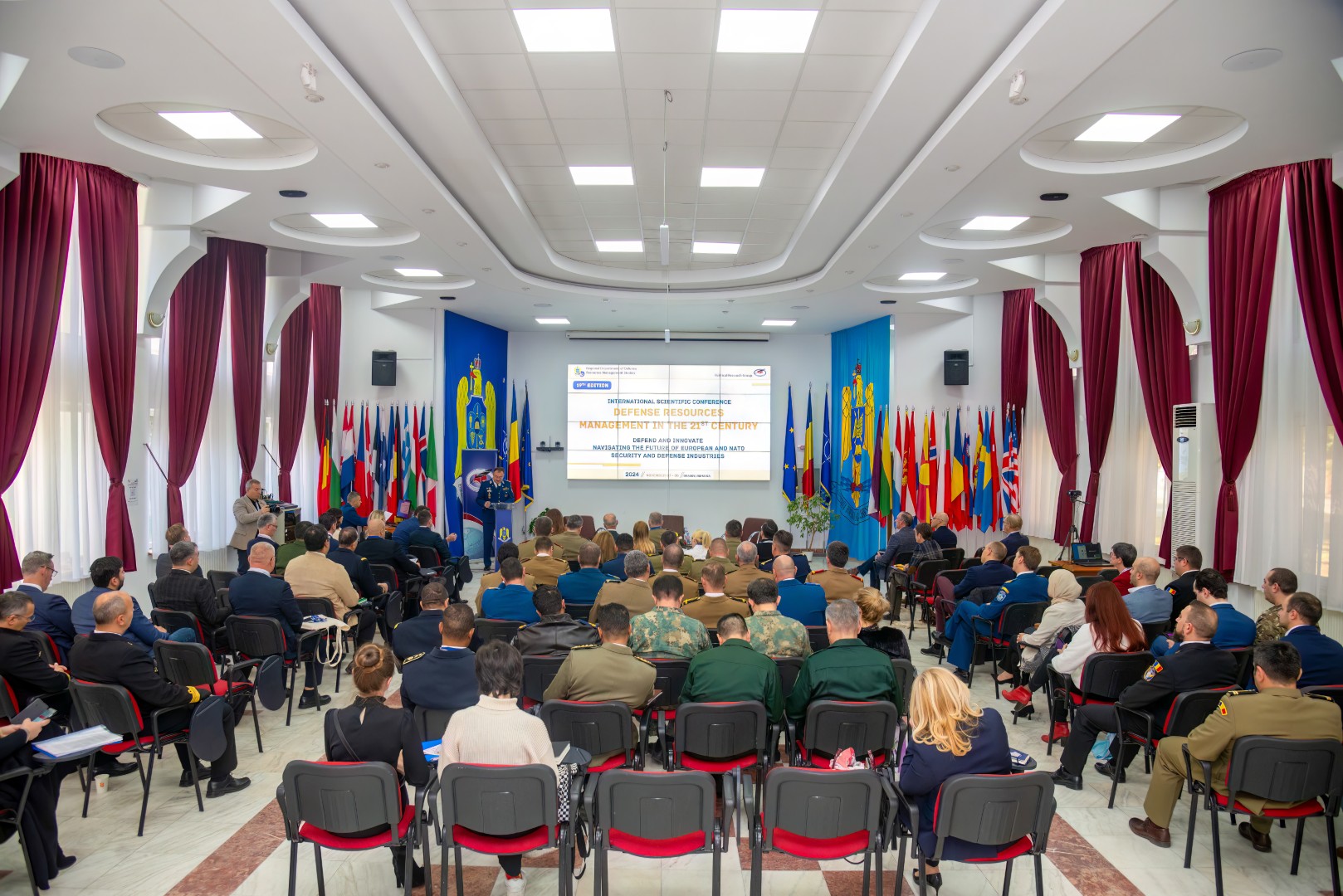
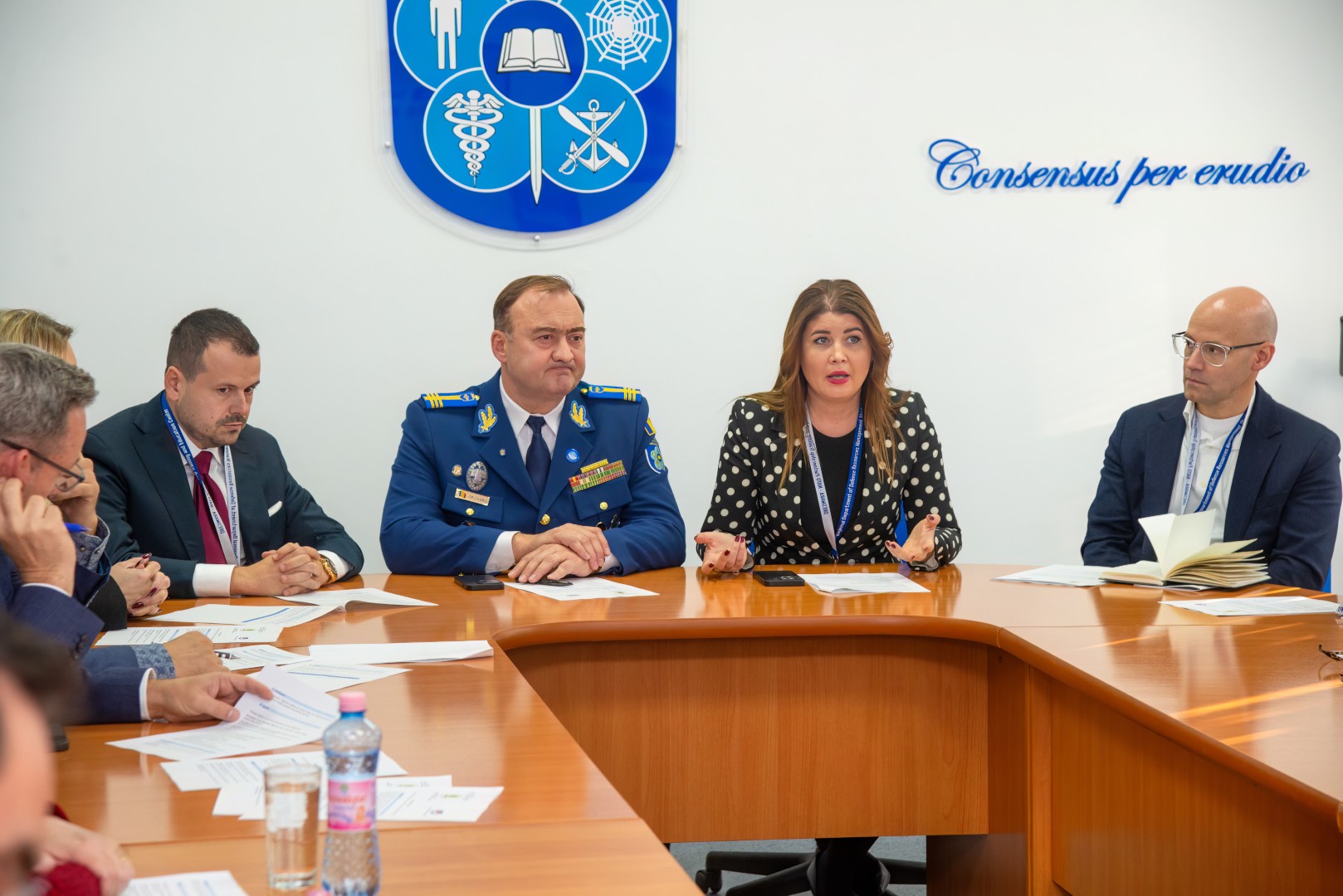
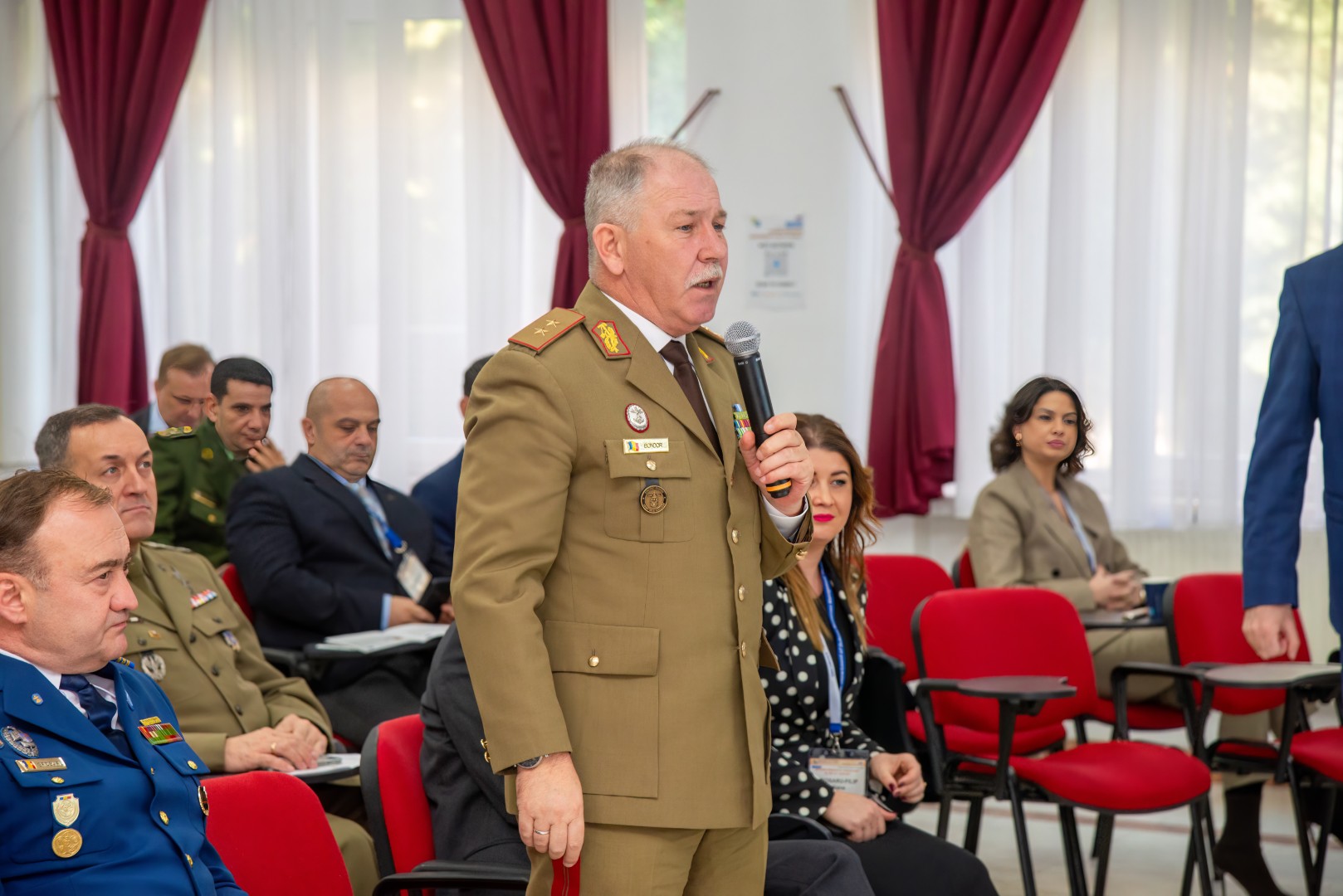
PICTURES FROM THE EVENT

ARTICLES
THE BUDGET MANAGEMENT BY OBJECTIVES IN TUNISIA
ABDALLAH Wael
Ministry of Defense Tunisia
Abstract: The case of the Republic of Tunisia may be interesting to conduct this type of analysis, since non classified budgetary data for a relatively long time frame, a decade, is available. Furthermore the metamorphosis that occurred in the region emphasized the role of its Armed Force in performing their role in defending the Territory and maintaining its integrity. Since the Revolution for Dignity of 2011, Tunisia has embarked on a considerable transformation of its State and its administrative organization which is also related to its financial management. The budgetary management by objectives is part of the establishment of a new mode of management of the State budget based on the principle of good governance which aims to improve efficiency and ensure transparency in the execution of the state budget. Thus, budget management by objective allows for better spending, improve the efficiency of public action and strength of transparency and optimize the financial management of public expenditure. For this purpose, this paper is organized as follows: the first chapter highlights the Tunisian management reform while the second chapter presents Budget management by objectives. The third and final chapter depicts Budget management by objectives in the Ministry of national Defense.
Key words: management; budgeting; efficienyt; transparency;

HUMAN RESOURCES IN SCIENCE AND TECHNOLOGY IN EU COUNTRIES AN OVERVIEW
ANTONOAIE Cristina
University lecturer, Regional Department of Defence Resources management, Romania
Abstract: In this paper we have analyzed the evolution of the human resources in science and technology (HRST) in EU Countries. This evolution is important for the high-tech industry and knowledge-intensive services, both being part of the Science, Technology and Digital Society branch in the EUROSTAT Database. We studied the absolute chain increment for each country emphasizing the minimum and the maximum values.
Key words: indicator; evolution; absolute chain increment; HRST; EU Countries; trend; education.
BUDGET RESOURCES MANAGEMENT: THE TUNISIAN BUDGET MANAGEMENT APPROACH IN THE DEFENSE CONTEXT
BOUZIDI Zied
M.A. student Ministry of National Defence, Tunisia
Abstract: In historical terms, defense management emerged as a topic of interest for the defense sector not too long ago. It has been no more than five decades since some Western nations introduced the concept of managing defense to address issues such as allocating financial or human resources, solving strategic or operational problems in a comprehensive manner, or using business-like tools to govern the defense sector. Such an enterprise requires excellence at all levels and in every department of the defense establishment. One proven way of achieving this is by applying Management by Objectives, which may contribute to maximizing the operational performance of armed forces. The budget management by objectives is part of the establishment of a new mode of management of the State budget based on the principle of good governance which aims to improve efficiency and ensure transparency in the execution of the state budget. This paper provides an overview of different aspects of budget management by objectives in Tunisia, especially in the Ministry of National Defense, to provide a clear feature and develop an understanding of its major trends and issues. For this purpose, the paper is organized as follows: The first chapter presents a general overview of budget management by objectives, while the second chapter explains the concepts and principles of BMO. The third and final chapter highlights the BMO inside the Tunisian Ministry of Defense.
RESEARCH ON STRATEGIC COMMUNICATION AND HUMAN SECU RITY: ANALYSIS FROM HUMANITARIAN COMMUNICATION PERSPECTIVE
EBRU CAYMAZ, assoc. prof.
ATALAY BAHAR, assoc. prof.
Canakkale Onsekiz Mart University/ Canakkale/ Türkiye
Police Academy Istanbul Arnavutköy Police Vocational Training Center/ Istanbul/Türkiye
Abstract: Being listed among the priority issues by the United Nations (UN), human security necessitates a wide and interlinked framework based on reducing vulnerability, sustaining human progress, and building resilience on a global scale. Most recent military operations and protracted crises have become concrete examples that highlight the increasing power of communications while new terms such as strategic communication are directly linked to national security and defense. Since humanitarianism has become a component of global governance and transnational power, humanitarian communication has emerged as an interdisciplinary field based on humanitarianism, media, and communication. Therefore, by broadly focusing on human vulnerability as a part of public concern, humanitarian communication has gained significance with respect to communication strategies designed for humanitarian aid and development. Based on selected international cases, this study aims to portray the relationship between strategic communication and human security from a humanitarian communication perspective.
Key words: humanitarian communication; human security, security studies, strategic communication.
SECURITY AND CLIMATE CHANGE: A RESEARCH FROM RESILIENCE PERSPECTIVE
CAYMAZ Ebru
Regional Canakkale Onsekiz Mart University/ Canakkale/ Türkiye
Abstract: According to the recent Intergovernmental Panel on Climate Change (IPCC) reports, human security has been exposed to threats such as food insecurity and forced migration as climate change continues at this pace. Therefore, being a threat multiplier, climate change necessitates multilayered precautions to be taken on a global scale. Herein, resilience research offers a useful application-based framework for climate-related hazards. The concept is defined as the development of the ability to act, resist, and adapt comfortably against crises, extraordinary events, and man-made or nature-related disasters. Accordingly, this study aims to examine the relationship between human security and climate change while discussing the potential precautions from a resilience-based perspective.
Key words: climate change; disaster resilience; human security; risk management.
CYBER DEFENSE INNOVATIONS IN THE MILITARY DOMAIN
CAZACU Vitalie, associate professor
TIMERCAN Fiodor, university lecturer
Armed Forces Military Academy „Alexandru cel Bun”, Republic of Moldova
Abstract: In an era where cyber warfare has become a critical battlefield, military strategies are rapidly evolving to include cutting-edge innovations in cyber defense. The traditional concepts of national security now extend far beyond land, sea, and air, into cyberspace, where adversaries can exploit digital vulnerabilities to disrupt operations, compromise sensitive data, and even cripple entire infrastructures. The military’s role in defending critical infrastructure, communications, and even weapon systems from cyberattacks is paramount to national security. Several key innovations and trends have emerged in recent years.
Key words: cybersecurity; cyberspace; cyber warfare; electronic warfare; security
CIVIL PROTECTION – COMPONENT PART OF STATE SECURITY
Nicolae Chimerciuc,
colonel in the reserve, doctor of military sciences
Armed Forces Military Academy “Alexandru cel Bun”, Republic of Moldova
Summary:
This article is dedicated to the management (directing) of the civil protection forces – a component of state security. The purpose of the Civil Protection management (CP) is the orientation of the public administration activity, branch offices, local public administration, the heads of economic objects, as well as of other management bodies and civil protection specialists in order to maintain the Civil Protection in a state of readiness for the performance of the entrusted tasks and their practical implementation in cases of exceptional situations. The organizational and the technical basis of the Civil Protection management is constituted by the management system, which includes the command points and the means of transmissions. Communication is the main means of management with the Civil Protection, which is organized in accordance with the decision of the Chair of the Commission for Exceptional Situations (CES), the instructions of the head of the department (section) CP of the district, municipality , and the instructions regarding the communication of the superior management body.
Keywords: management (conducting), exceptional situation, natural disaster, civil protection, armed conflict, broadcasting.
Cultural Challenges and Opportunities of Transferring Student-Centered Learning Concepts, Ideas and Practices in Teacher-Centered Educational Environments
Aura Codreanu, Associate Professor, Dr.
Regional Department of Defense Resources Management Studies, Brasov, Romania
Abstract: Student-centered learning (SCL) promises improved learning outcomes and the development of critical 21st-century skills. However, the implementation of SCL in traditionally teacher-centered educational environments presents a unique set of cultural challenges and opportunities. This article explores the complexities of transferring SCL concepts, ideas, and practices into educational systems rooted in teacher-centered paradigms by focusing on the cultural dimensions described by Gert Hofstdede. It also highlights the challenges and opportunities offered by the concept of educational transfer. Drawing on unstructured ethnographic observation as a method, we examine the sustainability of educational transfer when faced with cultural barriers that often hinder the adoption of SCL in teacher-centered contexts. The article will conclude with a proposed framework for navigating the cultural challenges and leveraging the opportunities presented by this educational transformation. This framework emphasizes the importance of cultural sensitivity, continuous dialogue, and adaptive implementation strategies. By addressing both the challenges and opportunities inherent in this transition, this article contributes to the ongoing global conversation about effective educational reform and provides practical insights for educators, policymakers, and researchers working towards more student-centered learning environments.
Key words: student-centered learning; teacher-centered education; cultural challenges; educational reform, andragogy.
HUMAN SECURITY AND RESILIENCE, FROM A DEFENCE PERSPECTIVE
CONSTANTINESCU Maria, Associate Professor, PhD
DUMITRACHE Vlad, Associate Professor, PhD
POPA Brindusa Maria, Lecturer, PhD
DRESMARA/ National Defense University Carol I/ Brasov/ Romania
Abstract: Human security has emerged as a pivotal concept in contemporary defense strategies, emphasizing the protection and empowerment of individuals and communities within the broader context of national and global security. This paper, entitled Human Security and Resilience: A Defense Perspective, explores the integration of human security principles into military operations and strategic planning. It argues that a comprehensive understanding of human security not only enhances the effectiveness of military missions but also addresses the root causes of conflict and instability. The paper outlines three strategic objectives for incorporating human security into defense frameworks: first, to embed human security considerations in military planning; second, to foster collaboration with governmental and non-governmental partners; and third, to analyze the underlying factors contributing to insecurity. By adopting a human-centric approach, defense organizations can better anticipate and respond to crises, thereby reinforcing their legitimacy and operational effectiveness. Furthermore, the discussion highlights the interconnectedness of resilience and human security, particularly in urban conflict scenarios where civilian safety is paramount. The integration of resilience strategies into military operations is presented as essential for mitigating civilian harm and enhancing operational outcomes. Ultimately, this paper advocates for a shift from traditional state-centric security paradigms towards a more inclusive framework that prioritizes the well-being of individuals as a cornerstone of national defense policy.
Key words: human security; challenges; defense; strategies; resilience
EVOLUTION OF DEFENSE BUDGET ALLOCATIONS IN THE PAST 20 YEARS. COMPARISON BETWEEN NATO COUNTRIES AND THE RUSSIAN FEDERATION.
Dumitrache Vlad, Associate Professor, PhD.
Constantinescu Maria, Associate Professor, PhD.
Popa Brîndușsa, University Lecturer, PhD.
DRESMARA / Brașov/ Romania
Abstract: Ever since the NATO Summit in Wales in 2014, specialized literature has focused on the desire of several member states to increase their defense budget to 2% or more. This has been a debated topic and while several countries inside the European Continent like Germany, Belgium or the Netherlands have failed to increase their portion of the GDP allocated to defense, other countries in the Eastern flank have managed to reach the target, including Romania, Poland and the Baltic States. Future increase of the budget is nowadays into discussion in order to meet the ever-increasing risk and threats that have emerged on the European Continent ever since the full-scale invasion of Ukraine by the Russian Federation. While experts debate whether this approach is a correct one, few have analyzed the increase in the defense budget of the Russian Federation over the years. While NATO countries find it difficult to reboot their defense industry, for the Russian Federation this is a much easier process. Put into the context of diminished defense budget, this could be an explanation of the current gap in this regard. Analyzing in comparison, therefore, the way in which the defense budget has evolved in number in NATO and in the Russian Federation could provide a better view on what strategy NATO countries should follow in regard to their defense spending in order to meet the current needs and goals both from a strategic point of view but also from a practical one, that best suits the redevelopment of essential defense assets including the European defense industry.
Key words: defense budget, GDP, defense allocation, defense expenditures, defense procurement, defense industry
THE USE OF PERFORMANCE INDICATORS IN THE
EVALUATION PHASE
GHANMI Yassine
Ministry of Defense, Tunisia
Abstract: The concept of performance management has evolved over time, adapting to changes in organizational structures, management theories, and technological advancements. While formal performance management systems may be relatively recent developments, the principles of managing and evaluating employee performance have roots in early organizational management practices.
Throughout history, performance management has evolved from simple measurement and control systems to more holistic approaches focused on aligning individual and organizational goals, fostering employee engagement, and driving continuous improvement. As organizations continue to adapt to new challenges and opportunities, performance management will likely continue to evolve to meet the needs of modern workplaces.
Key words: performance management; organizational structures; improvement
AVOIDING UNSUSTAINABLE DEFENSE RESOURCES MANAGEMENT PRACTICES: LESSONS FROM THE U.S. MILITARY MISSIONS IN AFGHANISTAN
HRAB Daniela-Elena
National Defense University Carol I, Romania
Abstract: Defense resources management is a complex process aimed at accomplishing the assigned missions while making the optimal use of the limited financial resources. However, its efficiency and sustainability are truly tested when it comes to effects created on the ground. Based on the long-term meaning of sustainability, this paper looks into the recently ended mission of the US military forces in Afghanistan, to discover whether defense resources were properly implied and to identify lessons that could contribute to enhanced sustainable results in the future. Therefore, this paper adopts an exploratory qualitative approach, based on the case study method, which reveals important lessons that should generate future changes, not only in the way resources are planned but also in their sustainable usage. At a time when there are voices that question the agility of the PPBE process, and there is also evidence related to a high level of waste generated in Afghanistan, this paper supports the idea that the way things are done should be reconsidered and raises awareness to look more into the long-term effects of the military decisions.
Key words: long-term; sustainability; capability; defense resources; waste; PPBES
HUMAN FACTORS IN MULTI-DOMAIN OPERATIONS: NAVIGATING THE BIVALENT DYNAMICS OF HUMAN TERRAIN AND MILITARY HUMAN CAPITAL WITH A HUMINT LENS
Alexandru Kis, PhD
Pavol Soltys
NATO HUMINT Centre of Excellence/ Oradea/ Romania
Abstract: The Multi-Domain Operations (MDO) concept represents a comprehensive and integrated approach to modern warfare, reflecting the need for contemporary military organizations to address the increasingly complex and interconnected nature of global security challenges. To remain effective, intelligence agencies will need to adapt to a large array of changes, adopt new technologies (while increasing their digital competencies), integrate cross-cutting dimensions, align to operational approaches, and embrace evolving ethical constraints to navigate the complexities of modern societies while maintaining their ability to collect reliable intelligence.
Additionally, the imprint of societal transformation on the future “human terrain” leads to specific challenges and opportunities in the HUMINT tradecraft. The paper identifies the intrinsic relation between the civil consideration in the operational environment analysis and the main transformational directions for the human capital in HUMINT to meet the demands of the “right people, right skills” approach in the NATO MDO philosophy.
Disclaimer: This paper expresses the views, interpretations, and independent positions of the authors. It should not be regarded as an official document, nor expressing formal opinions or policies of NATO or the NATO HUMINT Centre of Excellence.
Key words: Multi-Domain Operations; HUMINT; skills; technology; human terrain
INVESTING FOR FUTURE DEFENCE
THE CASE OF BLACK SEA AREA
MACHAIDZE Papuna
Ministry of Defence, Georgia
Abstract: The geopolitical importance of the Black Sea has been dramatically underestimated for years. This seems to be especially odd considering the fact that after the collapse of the Soviet Union, its littoral has witnessed 10 armed conflicts, more than any other bodies of water.
Since ancient times, the Black Sea region has been attracting the interests of the world’s greatest powers, seeking extensions of their economic and geopolitical influence. The primary reason for this constant political turbulence is the geo-location of the region, which has often been described as a geopolitical crossroad between East and West. This tendency is still very much ongoing, and the interests of many of the world’s superpowers continue to collide in the region.
Key words: military spending; non-military spending; economic growth; defense industry; generalized method of moments; dummy variable.
BUDGETING PROCESS WITHIN PPBES AND ITS CORRELATION WITH FINANCIAL MANAGEMENT
MADZGARASHVILI Daviti
Ministry of Defense, Georgia
Abstract: The PPBE process is the primary Resource Allocation Process (RAP) of DoD. It is an annual cyclical process to determine Department funding requirements and to allocate resources to satisfy those requirements. It is one of three major decision support systems for defense acquisition along with Joint Capabilities Integration and Development System (JCIDS) and the Defense Acquisition System. It is a formal, systematic structure for making decisions on policy, strategy, and the development of forces and capabilities to accomplish anticipated missions. PPBE is currently an annual process, which requires the Military Departments and Defense Agencies to submit a program request (known as the Program Objectives Memorandum (POM)) covering a five fiscal year period and a budget request (known as the Budget Estimate Submission (BES)) that addresses the first fiscal year of the five year Program Objectives Memorandum POM submission.
Key words: PPBE; process; strategy;budgeting
LESSONS IDENTIFIED FROM THE WAR (CONFLICT) IN UKRAINE
MAKARIDZE Mamuka
Ministry of Defence, Georgia
Abstract: This paper identifies key lessons from the international response to the conflict in Ukraine, emphasizing shifts in diplomacy, the strategic use of economic sanctions, and the significance of sustained military aid. Initially, global diplomatic attitudes were sceptical about severe measures. However, the resilience and determination of the Ukrainian people and their leadership catalysed a rapid change in international positions. Economic sanctions have demonstrated both immediate impacts and long-term potential to harm the Russian economy, underscoring the power of coordinated financial measures. Furthermore, the unprecedented military and humanitarian support for Ukraine illustrates the critical importance of sustained international commitment to counter aggression and highlights the need for a unified global response to uphold democratic values and international law.
Key words: International response; Diplomatic shifts; Economic sanctions; military aid; Ukrainian resilience; financial measures; International commitment; global response; Democratic value; International law; Counter aggression
THE ENVIRONMENTAL FALLOUT OF ARMED CONFLICTS : ASSESSING THE IMPACT OF THE WAR IN UKRAINE
Mancia Mircea Sebastian, lecturer Ph.D.*,
Popoviciu Gabriela A., lecturer Ph.D.**,
Paina Liliana, lecturer Ph.D.***
*Faculty of Civil Engineering, Cadastre and Architecture / Department of Cadastre / University of Oradea / Oradea / Romania
**Faculty of Environmental Protection / Department of Agriculture-Horticulture / University of Oradea / Oradea / Romania
***Faculty of Civil Engineering, Cadastre and Architecture / Department of Cadastre / University of Oradea / Oradea / Romania
Abstract: Our paper subject is about the war waged by Russia against Ukraine which generated disastrous effects on the environment both in Ukraine and in its neighboring, cross-border countries. We consider that this issue is about losses of human life, as well as massive air, soil and water pollution. In this sense, the European Economic and Social Committee requested the Commission and the EU Council to identify the negative effects on the environment and their implications on human rights. Also, we will have mention in this paper about the current political situations indicating that national and international security are dependent on each other, and peace and security in Europe is a priority of all its citizens.
Key words: environmental protection, war, pollution of environmental factors, the European Union, military factors, the effects of military conflicts;
HOW THE GLOBAL LANDSCAPE SHIFTS AND CHANGES THE DEFENSE RESOURCES MANAGEMENT PROCESS
MUHAMMAD Naveed Akbar
Ministry of Defense, Pakistan
Abstract: Every state considers its defense as important and maintains minimum defense deterrence against any type of foreign aggression. However, due to recent shifts in the global landscape, the defense resources management require realignment in order to cope with the challenges. Be it the Russian attack on Ukraine and its fall outs on global supply chain system; the trade war between America and China due to Thucydides trap; ever increasing risks to human lives due to sudden climate havocs; the ever sequencing resources due to debt burdens, the tech giants capitals coupled with their increasing influence on human beings beyond frontiers and last but not least the risk of any other pandemic like COVID-19 is compelling the policy makers to reconsider the defense resources management process in order to effectively address any kind of eventuality.
Key words: landscape shift, Thucydides trap, debt burden, climate change, techno dynamics, pandemic.
NON ECONOMIC AND ECONOMIC BENEFITS IN DEFENSE
HELEG Nedžad
Armed Forces of Bosnia and Herzegovina
Abstract: Defense spending plays a critical role in national security and has wide-raning impacts on both economic and non economic aspects of a country. This paper explores the dual benefits of defense spending, on the economic benefits like a job opportunity, industry i economy growth as the non-economic benefits including national security, political stability, diplomatic relations, humanitirian and disaster response. By analyzin the interplay between these factors, this paper highlights the importance of defense spending and its significance in ensuring security, prosperity and stability of a nation.
Key words: defense spending, non-economic benefits, economic benefits, economy growth, military, investments, job creation, security.
VARIOUS DIMENSIONS OF LOCAL AND SOCIAL SECURITY – THE PERSPECTIVE OF ILLEGAL MIGRATION IN POLAND
Milena Palczewska, PhD.
War Studies University, National Security Faculty, Warsaw, Poland
Abstract: Illegal migration has become a significant concern for Poland, particularly in the context of broader European migration trends. This article examines the various dimensions of local and social security in Poland, focusing on the challenges posed by illegal migration. It explores the impact of illegal migration on public safety, economic stability, social cohesion, and public services. The research aims to provide a comprehensive analysis of how illegal migration affects local communities and national security in Poland, considering the perspectives of policymakers, law enforcement, and the general population. By employing a combination of qualitative and quantitative research methods, this study seeks to contribute to the ongoing debate on migration and security in Poland.
Key words: Illegal migration; local security; social security; Poland; migration policy; public safety; social cohesion.
EUROPEAN DEFENCE FUND AND PRECURSOR PROGRAMS: IMPACT FOR THE BALTIC STATES
Donatas Palavenis
Baltic Institute of Advanced Technology / DIAG / Vilnius / Lithuania
Abstract: EU is seeking greater autonomy and implementation of ambitious defence industry-related programs that would contribute to greater collaboration within the EU, market expansion, and technological novelty. European Defence Fund (EDF), which started in 2021, is the key to delivering cooperation in defence research and development (R&D). Before EDF, two precursor programs were executed (Preparatory Action on Defence Research (PADR) in 2017–2019 and European Defence Industrial Development Programme (EDIDP) in 2019–2020). Thus, the situation opens a unique opportunity for companies and institutions to grow competencies in the defence industry and enable the national armed forces to achieve significant technological superiority. The study aims to explore Baltic states (Estonia, Latvia, and Lithuania) participation results in PADR, EDIDP and EDF programs (2017–2023) and their effect on participants’ growth. The results indicate that participants from the Baltic states are very active in programs (36%), are eager to coordinate multinational projects (1-2/year), and are well nested with EU OEMs. Grants received from the EU greatly impacted the 3B entities’ revenues and workforce rapid growth.
Key words: EDF, PADR, EDIDP, DG DEFIS, Estonia, Latvia, Lithuania, defence industry.
DIGITAL LEADERSHIP IN THE MILITARY: IMPACT, MEANING, AND FUTURE IMPLICATIONS
Cristian Panait, PhD
Air Force Academy „Henri Coandă”/Brașov/Romania
Abstract: The rapid digital transformation across industries has significantly impacted military operations, requiring a change in leadership practices. This paper conducts a comprehensive literature review to explore the role of digital leadership in the military, its impact on operations, and future implications. By analysing recent studies and incorporating theoretical frameworks, this paper identifies the challenges and opportunities that digitalization presents to military leadership and also how leaders can maintain effectiveness in remote settings, address ethical and legal considerations, develop competencies required for the Digital Age. The paper concludes with strategic recommendations for cultivating digital leadership capabilities within military organizations.
Key words: digital leadership; military; digitalization; leadership theories; military operations; future of warfare; technological transformation
THE CONTRIBUTION OF DRONES AND INTELLIGENCE IN THE RUSSIA – UKRAINE WAR:
A NEW ERA OF MILITARY TACTICS
PĂIUȘ Ioana Hermina
Doctoral School of International Relations and Security Studies
„Babeș Bolyai” University Cluj-Napoca, Romania
Abstract: The Russia-Ukraine war has marked a pivotal shift in modern military strategy, driven by the integration of drones and advanced intelligence systems. This conflict underscores the increasing reliance on unmanned aerial vehicles (UAVs) for reconnaissance, surveillance, and precision strikes. By analyzing the role of drones and intelligence, this article explores how these technologies have reshaped military tactics, minimized human risk, and enhanced real-time decision-making. Drones have proven particularly effective in asymmetric warfare, where rapid intelligence and operational flexibility are crucial, shifting power dynamics and enabling more decentralized command structures. The research also examines the operational, ethical, and legal implications of drone warfare, focusing on the contrasting approaches of Russia’s military-grade systems and Ukraine’s use of commercial UAVs. Insights are drawn from case studies and data from the conflict, highlighting the integration of artificial intelligence to enhance decision-making and reduce human intervention. Furthermore, the research addresses the broader impact of drone technology on global military doctrine and security, suggesting that these systems will shape future warfare by blurring the lines between traditional military domains and presenting challenges for international governance.
Key Words: Drones, Intelligence, Russia-Ukraine War, Military Strategy, Autonomous Systems, Battlefield Innovation, Global Security, Asymmetric Warfare.
FROM MESSAGE CONTROL TO INTERACTIVE DIALOGUE: THE EVOLUTION OF STRATEGIC COMMUNICATION
Brîndușa Maria POPA, PhD, University Lecturer
Maria CONSTANTINESCU, PhD, Assistant Professor
Vlad Ionuț DUMITRACHE , PhD, Assistant Professor
Regional Department for Defense Resources Management Studies / Department of Management /
National Defense University “Carol I”/Brașov/ Romania
Abstract: Strategic communication has undergone significant transformation in response to the rapidly changing media landscape and global environment. From its early roots in public relations and advertising to its current role encompassing corporate communication, political campaigns, and crisis management, the field has expanded to include a wide array of tools, techniques, and platforms.
The digital revolution, characterized by the rise of social media, big data, and real-time information sharing, has redefined how organizations, governments, and individuals communicate strategically. What was once a top-down process aimed at controlling a message has evolved into a dynamic, interactive dialogue with stakeholders across multiple channels. Additionally, the increasing importance of reputation management, corporate social responsibility, and ethical transparency has elevated strategic communication to a critical function in decision-making at the highest levels.
This article explores the historical development of strategic communication, analyzing key milestones that have shaped its current practices. It will also examine how emerging trends such as artificial intelligence, data-driven decision-making, and the shifting expectations of global audiences continue to drive its evolution, making it a vital part of organizational success in today’s interconnected world.
Key words: strategic communication; change; trends; artificial intelligence;
MISSION COMMAND DURING LOW INTENSITY BATTLES AND STABILIZING OPERATIONS. ARE WE PREPARED?
RATHORE Imran Aslam
Ministry of Defense, Pakistan
Abstract: Concept of Mission Command is not new, however, dynamics of present and requirements of future battle fields have further enhanced the relevance and importance of its right adaptation and execution. With mixed results of low intensity battles and stabilizing operations as a result of Armed conflicts during last two decades or so, this paper explores aspects in addition to the debate of mere centralized and decentralized control normally linked with Mission Command concept. Previous researches have correctly identified training aspects required in a Military set up during peace time to bleed less during operations under Mission Command environment. This paper inquires whether we are ready to accept our vulnerabilities and preparing towards a directional training while keeping in view various myths as a case in point. Through results of recent conflicts and experience of officers involved in such operations, this paper identifies a gap in previous researches pertaining to importance of International Relations knowledge and aspects of Psychological domain for officers, especially during low intensity battles and stabilizing operations in the twenty first century Battlefield environment. This paper concludes by identifying that transformation of Commanders at Strategic, Operational and Tactical level coupled with threat spectrum at Strategic/ Operational level if identified correctly will have a trickle down effect for Tactical level commanders being good students of International Relations. This will increase the Morale and Motivation level of subordinates enabling them to assess Political sensitivities, understand and address the complexities involved in low intensity battles and stabilizing operations and value the conflict in today’s environment of continous chaos.
Key words: Mission Command; Directional Training; Myths, Centralized; De-centralized; Low Intensity Battles; Stabilizing Operations; International Relations; Morale and Motivation.
STRATEGIES FOR ENHANCING MILITARY LEADERSHIP: A CASE STUDY OF VUCA PRIME IN THE COLOMBIAN
AEROSPACE FORCE
SILVA BARRERA Maribel MsC.
Ministry of Defense, Columbia
Abstract: Contemporary wars illustrate the profound challenges faced by military leaders. The dynamics of warfare have transcended traditional notions of control as the battlefield has become increasingly volatile, uncertain, complex, and ambiguous (VUCA), as noted by the military strategist Carl von Clausewitz, who proclaimed, „war is the realm of uncertainty.” Faced with this reality, military organizations are compelled to adapt rapidly to the changing environment. This essay explores the applicability and potential benefits of the VUCA PRIME behavioral leadership model within the Colombian Aerospace Force, with the aim to provide this organization with a tool based on four core elements: „Vision,” „Understanding,” „Clarity,” and „Agility,” enabling it to effectively address the challenges faced by her military leaders when they dealing with volatile, uncertain, complex, and ambiguous situations. By examining how these model components can guide decision-making and leadership qualities, this essay aims to underscore the imperative role of the VUCA PRIME model in transforming the approach of the Colombian Aerospace Force towards the complexities of the VUCA environment.
Key words: VUCA phenomenon; VUCA PRIME model; military organizations; leadership, agile organizations; complex systems.
WHAT IS THE ROLE OF STRATEGIC FORESIGHT ANALYSIS IN ANTICIPATING FUTURE THREATS AND
OPPORTUNITIES?
SANDU Nichita
Ministry of National Defence, Romania
Abstract: This paper intends to be a synthetic description of Strategic Foresight Analysis as a concept and why it became more and more important for companies, organizations, nations and alliances like NATO to use this tool for shaping their strategy on medium and long term. Finally, this paper brings to reader`s attention the main drivers of change, potential strategic shocks and the key challenges to the effective use of Military Instrument of Power as they were identified in the Strategic Foresight Analysis 2023 published by the Allied Command Transformation. Author’s creativity was limited by the objective approach to data presented.
Key words: strategic foresight; challenges; instruments of power; military;
NEW TECHNOLOGIES IN THE CONTEXT OF NATIONAL SECURITY AND INTERNATIONAL RELATIONS: NATO BUILDING INTEGRITY (BI) AWARENESS COURSE AS THE CASE STUDY
COL Univ Prof. Andrzej Soboń, Assoc. Prof.
National Security Faculty / War Studies University / Warsaw / Poland
CPT (N) ret. Univ Prof. Piotr Gawliczek, Assoc. Prof.
University of Warmia and Mazury in Olsztyn, Poland
Magdalena Stabla
NATO DEEP eAcademy
Abstract: The purpose of the study is to familiarise the readers with the utility of the new technologies and solutions related to the security ecosystem. During the research conducted it was possible to collect important data on the anti-corruption matters, seen from the Ukrainian perspective and to formulate recommendations on the utility of the e-learning tools for sharing building integrity awareness. Need for the study is based on building integrity realm within Ukrainian security and defence environment and relates with the opportunities offered by the e-learning tools to reach the large number of persons on-line to take the e-learning courses. As the background of the research activities, it is needed to mention about the Decree of the President of Ukraine of June 20, 2023, No. 344/2023. Deputy Head of the National Agency for the Prevention of Corruption was appointed National Coordinator for Ukraine’s Cooperation with NATO in the Field of Integrity Building. To ensure the implementation of its powers in shaping anti-corruption policy regarding integrity in the security and defence sector, the National Agency runs the Directorate for Shaping Integrity Policy in the Security and Defence Sector. Considering the fact that joining the North Atlantic Alliance is a priority task for Ukraine, and reforms aimed at building integrity include introducing modern management standards, ensuring independence from political interference, increasing employee professionalism, investing in education and training of personnel, the National Coordinator for Ukraine’s Cooperation with NATO in the Field of Integrity Building informed the entities about the possibility of completing/passing an online course developed by experts of the NATO and translated into Ukrainian. He stated that this course was mandatory for NATO military and civilian personnel, as it provides general knowledge about integrity and good governance education in NATO member states. During the course, participants can familiarize themselves with basic knowledge about integrity and good governance education. After successfully completing the course, each participant can receive a personalized certificate at the end. This course has been accessible, from the beginning of June 2024, on the NATO DEEP ADL Portal, while the solution/approach which is the result of the collaborative efforts involving two institutions of the Defence and Security Cooperation Directorate of Operations Division: (1) Governance and Institutions, (2) Defence Education Enhancement Programme and the NATO Representation in Ukraine (NRU). Introduced methodology is mainly based on collecting data while using functionalities offered by the NATO DEEP ADL Portal – satisfaction survey consisted of eight questions. To date (01 September), more than 113,000 participants have completed this format, including members of the Armed Forces of Ukraine, the Ministry of Defence of Ukraine, the Ministry of Internal Affairs of Ukraine, the National Guard of Ukraine, the State Border Guard Service of Ukraine, the National Police of Ukraine, the State Emergency Service, the Security Service of Ukraine, and many other institutions. The National Agency of Corruption Prevention and the national coordinator for NATO BI policy implementation have significantly promoted the course among relevant institutions. Since participants completed the course, data had been collected within satisfactory survey and processed, accordingly. The practical implications are of utmost importance, allowing for introducing this approach in case of other elearnig courses.
Key words: NATO, Building Integrity, Ukraine, security environment, e-learning, DEEP
THE EU’S SECURITY AND DEFENSE POLICY IN THE NEW GLOBAL CONTEXT
TACHE Ileana
Transilvania University of Brasov, Department of Marketing, Tourism-Services and International Business, Romania
Abstract: This paper analyzes the EU’s Common Security and Defense Policy (CSDP) launched in the late 1990s and investigates its challenges in the new tense global context. Russia – Ukraine war and the conflicts of the Middle East (more exactly between Israel and Hamas, Israel and Hezbollah and Israel and Iran) are presented in the light of their impact on European security, along with the relationship between EU and NATO. The paper concludes with envisaging some economic perspectives for the near future in the aftermath of all this widespread instability and unprecedented violence.
Key words: security; defense; Russia-Ukraine war; Middle East conflicts; EU Common Security and Defense Policy;
DEFENSE RESOURCE MANAGEMENT IN THE COUNTRY OF GEORGIA
TAVSHAVADZE Imeda
Ministry of Defense, Georgia
Abstract: Defense Resource Management (DRM) is a crucial component of military and defense organizations around the world, ensuring that resources are allocated efficiently to achieve operational objectives in an afective way. This paper examines the evolution of DRM, highlighting the contributions of figures like Robert S. McNamara and the adoption of innovative practices such as Program Planning Budgeting System (PPBS). Within the Georgian Ministry of Defense (MOD), DRM has undergone significant reforms, including the implementation of program-based budgeting and collaboration with international partners.
Key words: Defense Resource Management (DRM); PPBS; crucial component; efective and efficient; alocation resourses; Robert S. McNamara MOD; collaboration
THE TUNISIAN E PROCUREMENT SYSTEM: CHALLENGES AND PROSPECTS
SLAH Touffahi
Ministry of Defense, Tunisia
Abstract: As part of rebuilding people’s trust in the government after the 2011 revolution, Tunisia’s public procurement framework underwent reforms that included the introduction of a comprehensive e-procurement platform called TUNEPS (Tunisian e-Procurement system), which replaced the paper based centralized procurement system. Creating a fully functional digital procurement system promoted transparency through public online posting of bids and procurement procedures. TUNEPS has improved access to public procurement by financially vulnerable groups, including small and medium enterprises (SMEs) and women-owned enterprises. The 2011 Tunisian revolution brought a series of reforms that aimed to rebuild people’s trust in the government, including introducing an e-procurement system for public institution’s construction, restoration, cleaning, catering, and equipment services. With the old centralized paper-based public procurement system, businesses outside of the capital were more prone to exclusion, as they were not adequately informed of bids and would need to travel several times to Tunis (Tunisia’s capital city) to submit their offers for public bids. In addition, there was a greater risk of corruption due to lesser transparency. The Tunisian e-procurement system is modelled after the Korean e-procurement system KONEPS, and was built in collaboration with the Korean International Cooperation Agency (KOICA). It is operated by the Tunisian Public Procurement Authority (HAICOP). To participate in public e-procurement, buyers and suppliers must first register with TUNEPS and then obtain an electronic certificate that can be used for e-signatures from the National Agency for Electronic Certification (ANCE). The e-signature is essential to sign contracts.
Key words: procurement; system; electronic; reform; business
A POTENTIAL NATO WITHOUT USA IMPLICATIONS, CHALLENGES AND OPPORTUNITIES
TĂBLEȚ Cezar – Marius
Ministry of Defense, Romania
Abstract: The North Atlantic Treaty Organization (NATO) has been viewed as a key component of global security, enabling member states to defend themselves collectively. The hypothetical scenario of NATO without the United States is a significant challenge, carries profound implications, and also offers certain opportunities. This essay will explore the multifaceted dimensions of such a scenario, analyzing the challenges NATO would face, the implications for its member states and global security, as well as the potential opportunities for adaptation and evolution for the other member states.
Key words: geopolitics; NATO; scenarios; challenges; opportunities
A MOLDOVA’S FRAGILE SECURITY SITUATION
VASILE Silviu, PhD candidate
Armed Forces Military Academy,, Alexandru Cel Bun”, Security and Defense Department, Doctoral School, Chisinau, Republic Of Moldova
Abstract: The Official relations between Moldova and NATO began in 1992 when Moldova joined the North Atlantic Cooperation Council. However, as Moldova’s neutrality is enshrined in its constitution, there are no official plans for Moldova to join the organization. Russia’s full-scale invasion of Ukraine in February 2022 has upended not only the post-Cold War European security order but also the foundations of the European Union’s eastern Neighborhood Policy. The way forward for the EU will build on two significant policy shifts that happened in 2022. First, the decade-old red line of not extending enlargement further east was crossed. As a result, the future EU will be bigger and more Eastern European than before, which for some member states, such as France, is a historical turning point. Second, the separation between enlargement and the Eastern Partnership (EaP) was overcome and the two will now be intertwined. Fourth, as Russia’s power and dominance in the post-Soviet region continue to diminish in the long run, the EU will need a Wider Eastern Neighborhood Policy that includes Central Asia. The protracted regional conflicts (in Moldova and the South Caucasus) require a more active EU engagement as existing OSCE formats continue to be blocked, and Russia’s role and military presence weaken. New openings for conflict resolution mean higher demand for the EU’s diplomatic, monitoring, and peacekeeping capacities. Moldova’s security and future are closely linked with the outcome of Russia’s war against Ukraine. This is a decisive year for the country and its government with local elections approaching, in which manipulation by Kremlin proxies is expected, and an economy affected by the energy crisis and rising prices due to the war. In February a new prime minister and government were appointed – a move meant to address security concerns, hybrid threats, and energy dependence on Russia and Transnistria. The government seems prepared to address the threats, yet Moldova strongly depends on EU support. While the presence of Russian troops in Transnistria is often mentioned as the main potential source of destabilization, hybrid threats and the role of Kremlin proxies, such as Ilan Shor’s party, are much more of a threat to stability than the Tiraspol authorities.
Key words: Moldova; security; conflict; threats; stability