

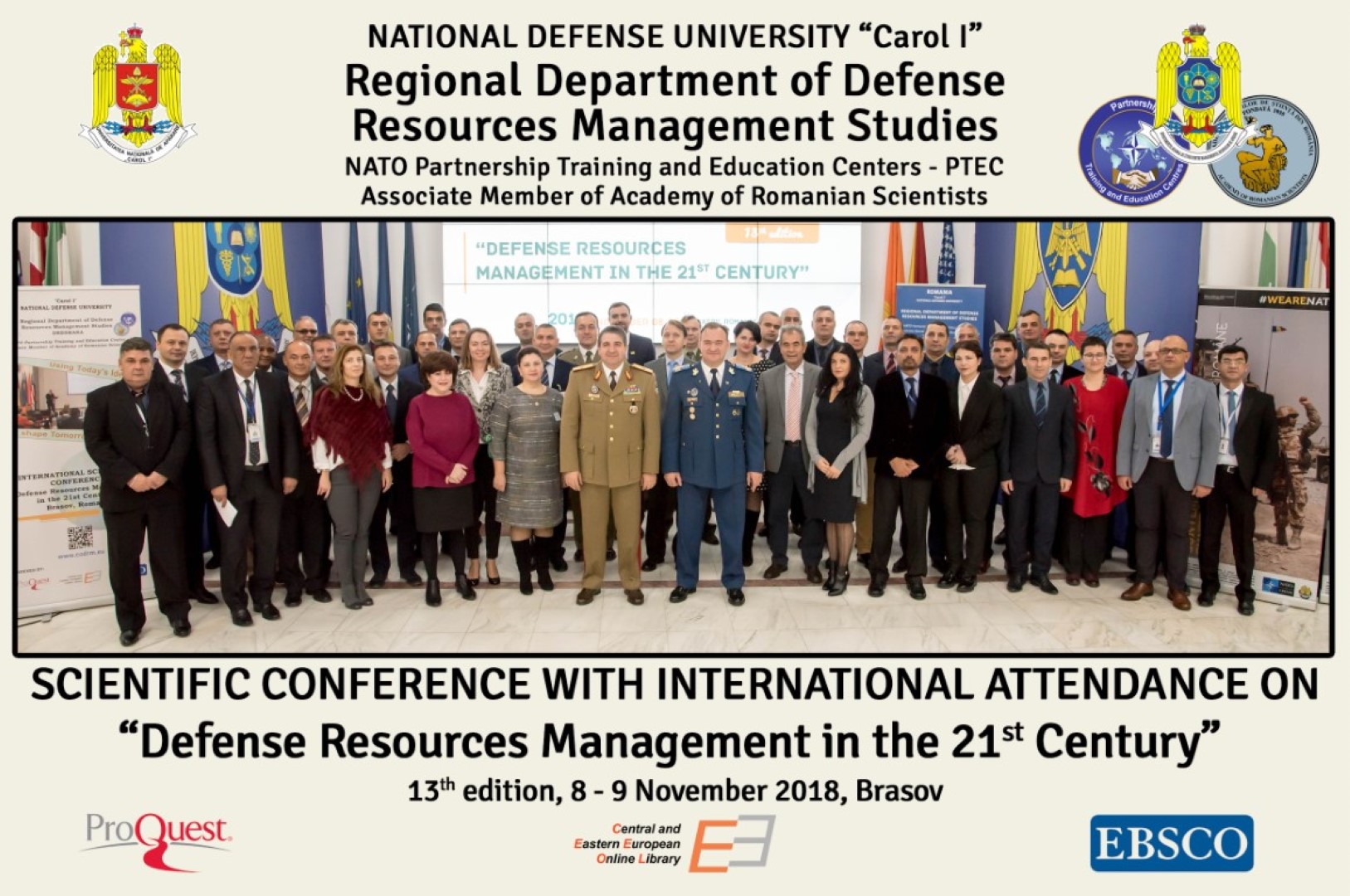
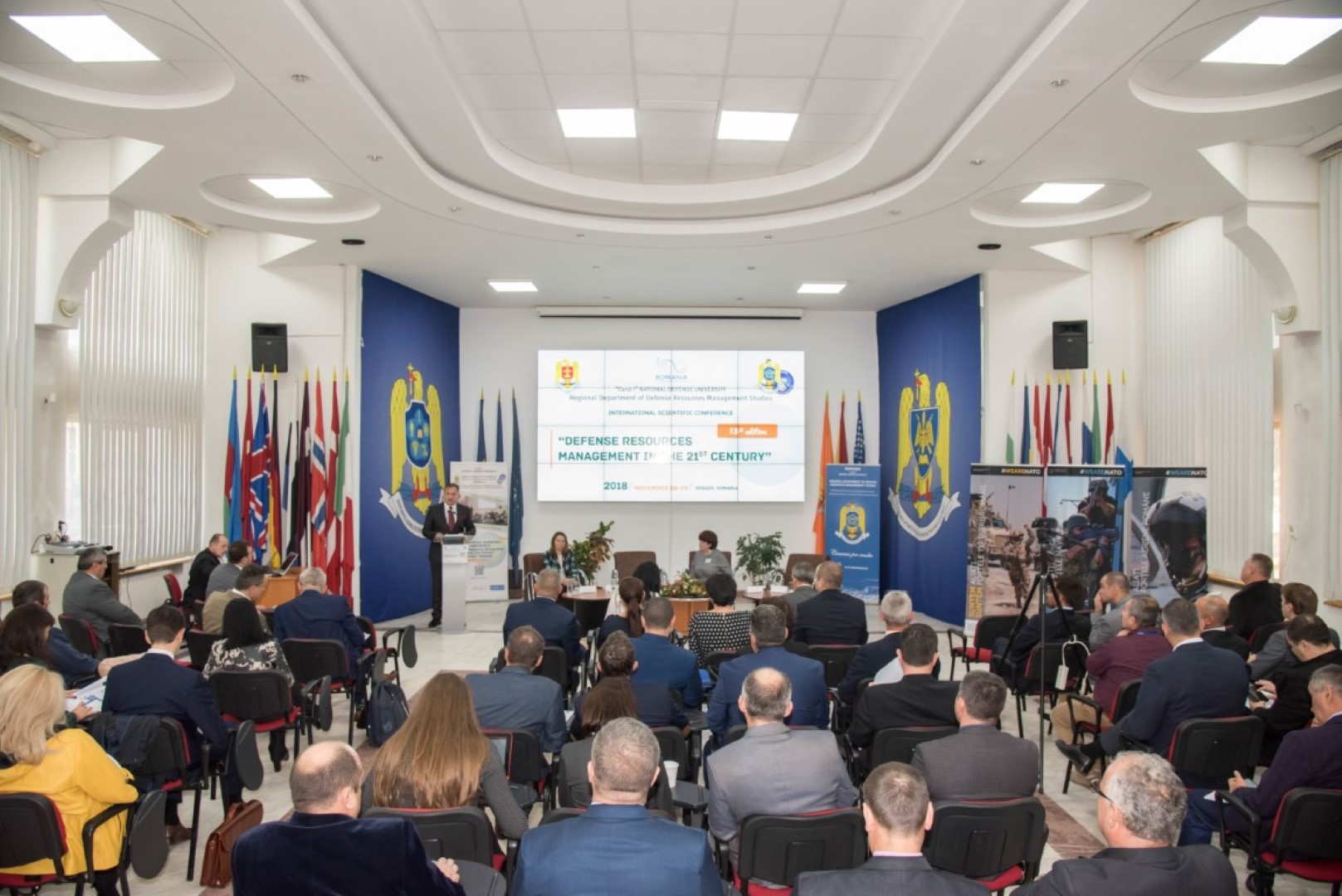
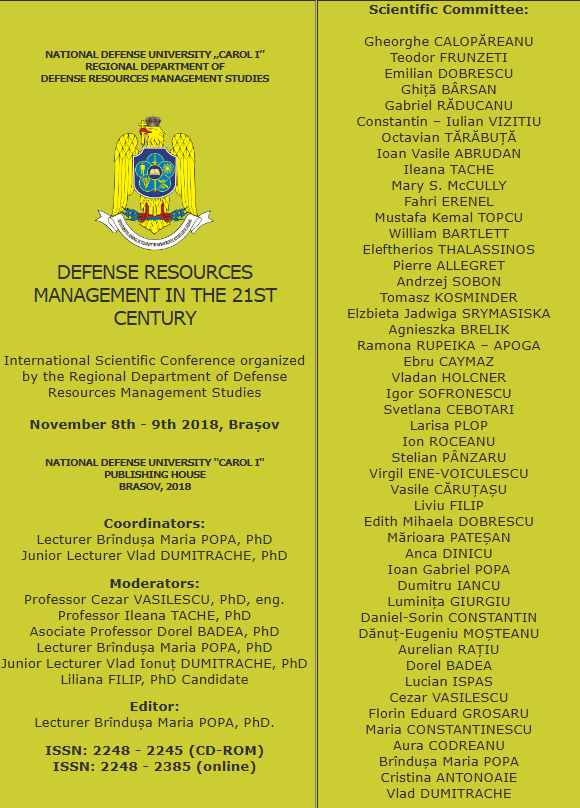
13th edition of the International Scientific Conference
Defense Resources Management in the 21st Century
November 8th – 9th 2018, Brasov, Romania

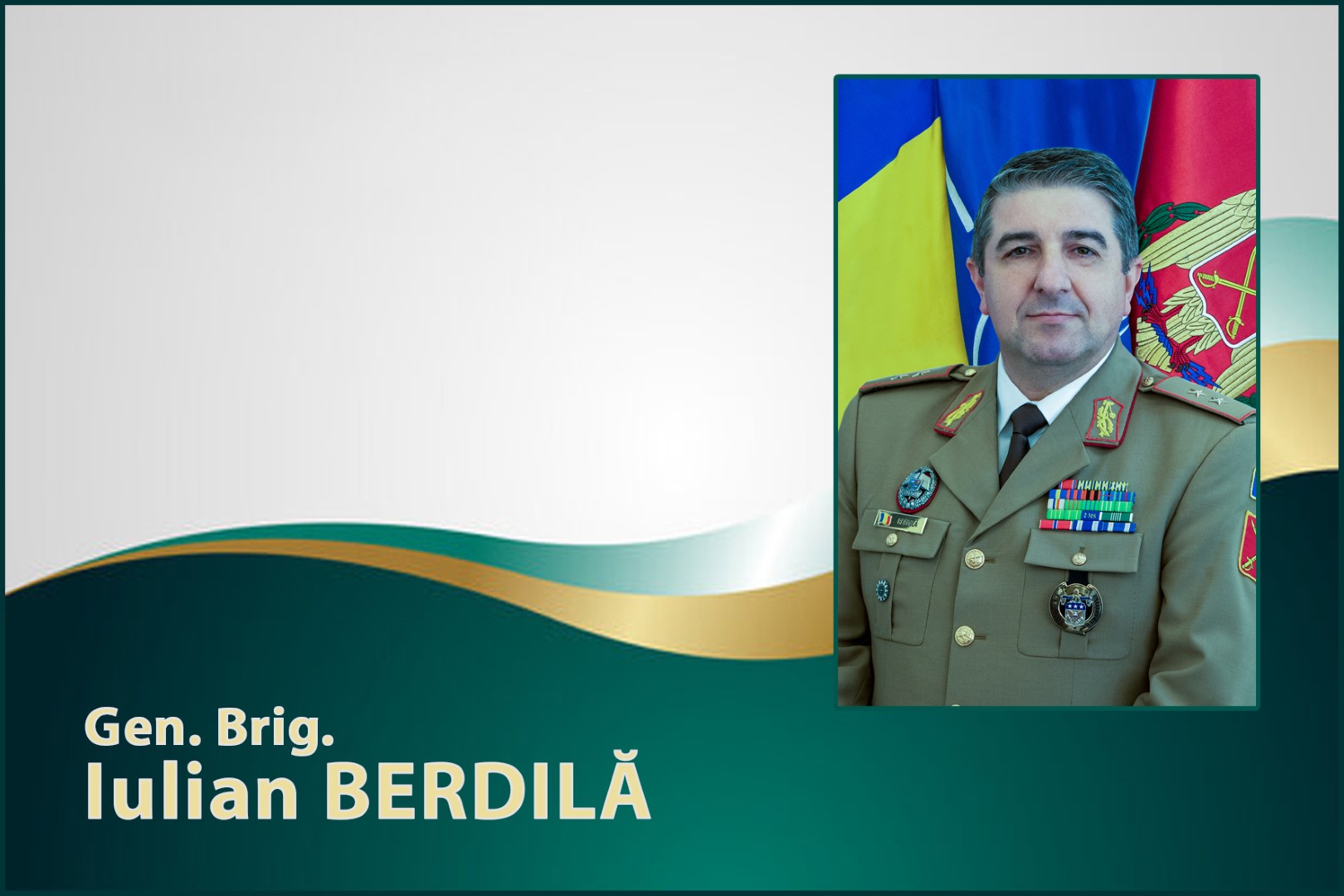

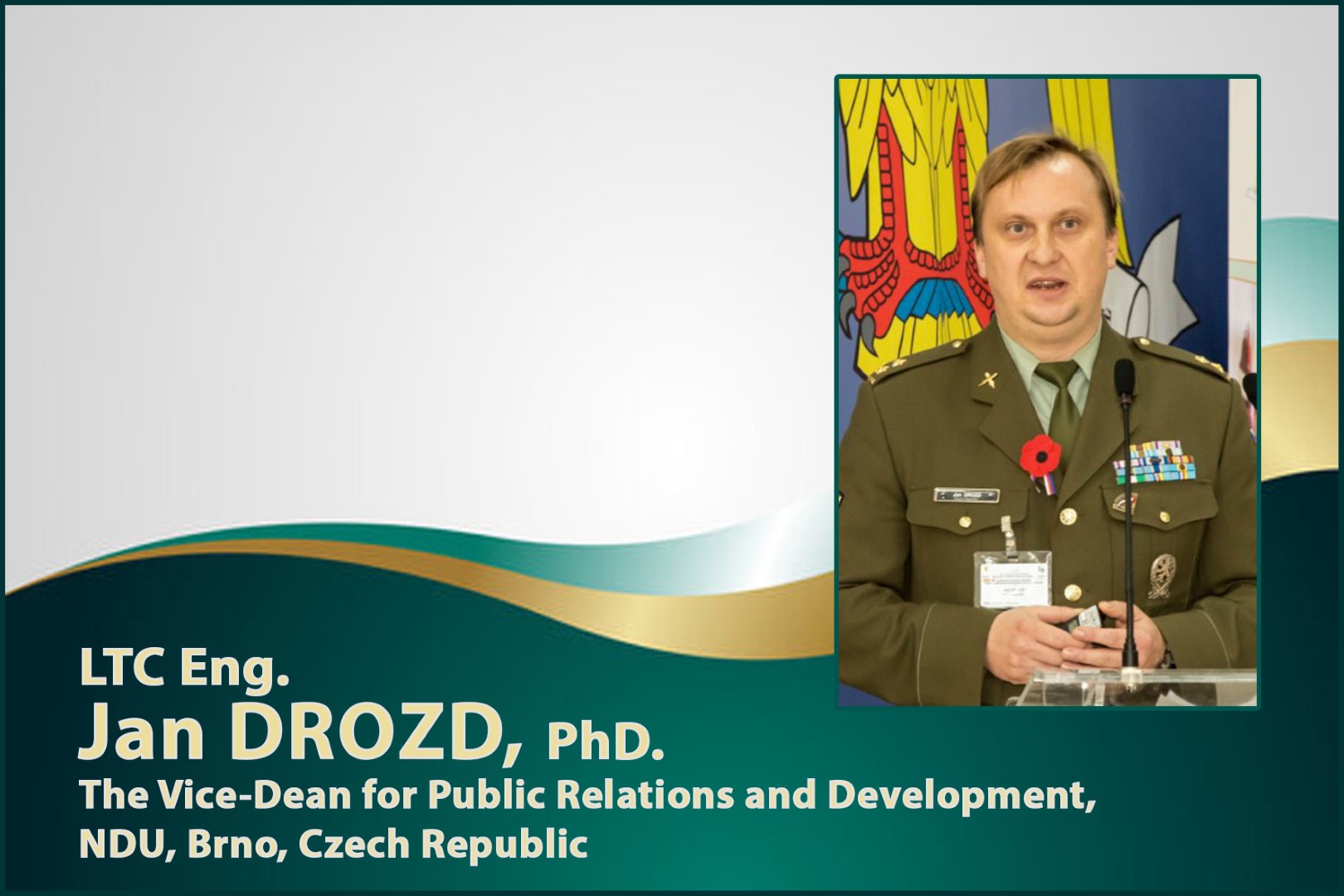

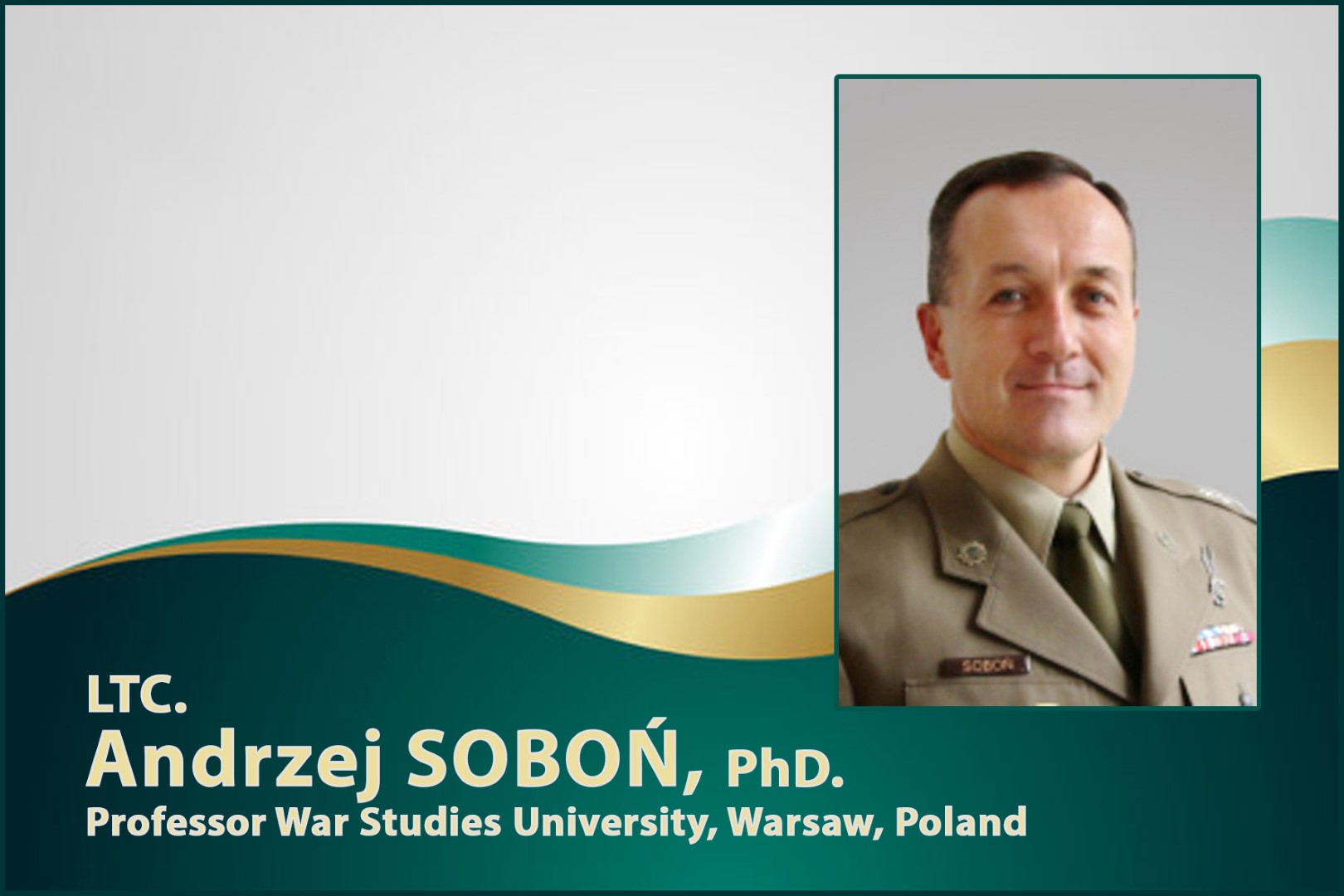
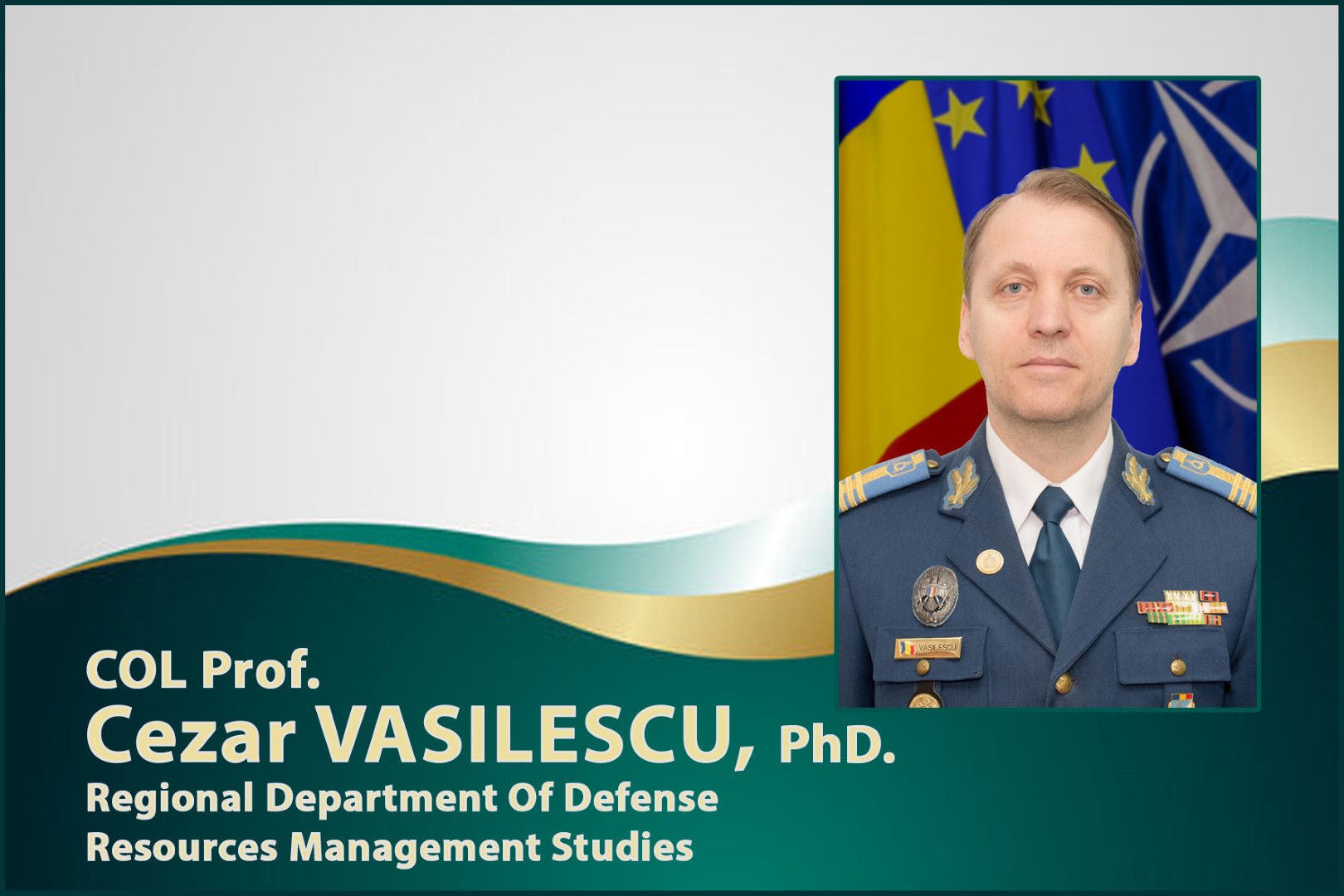
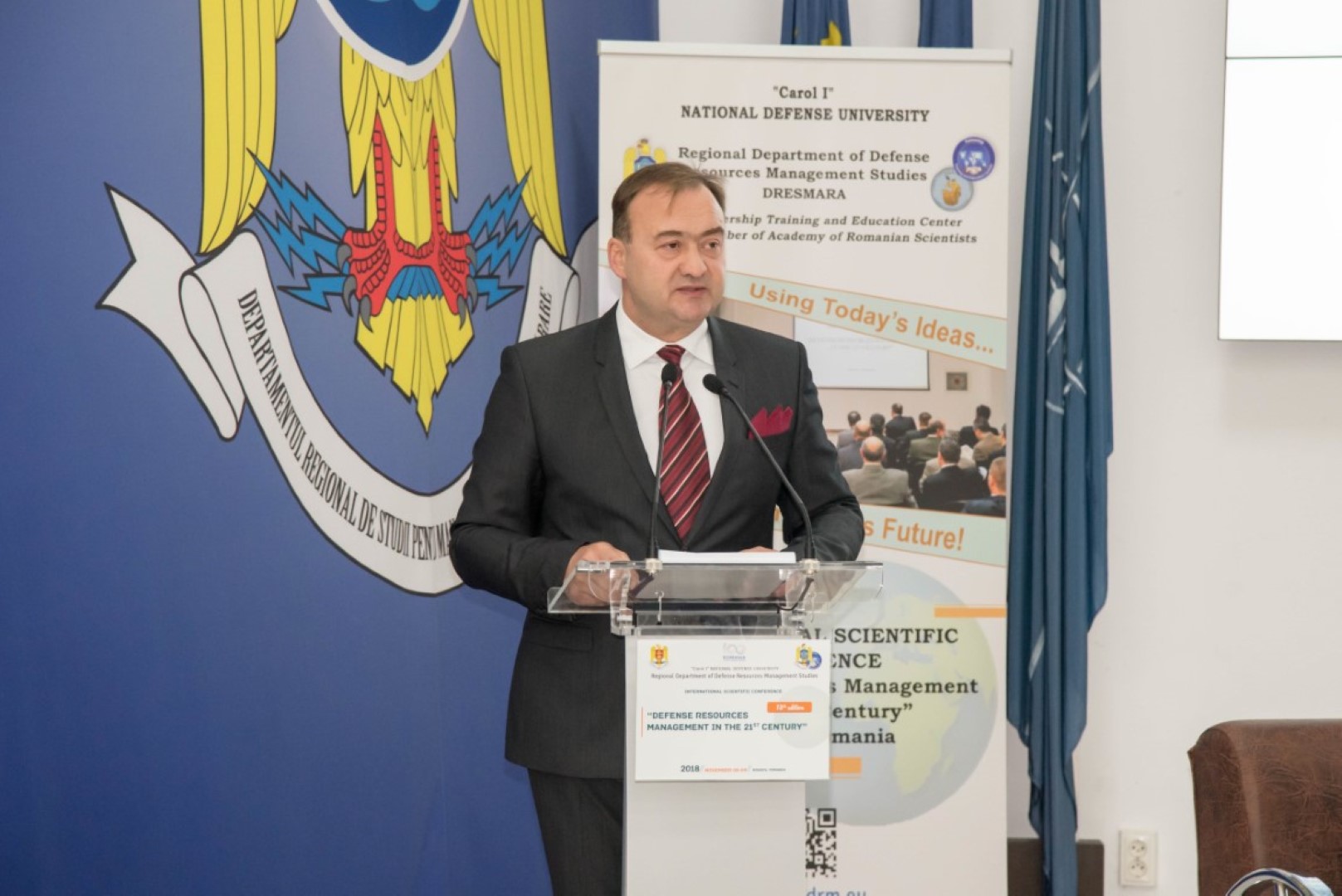
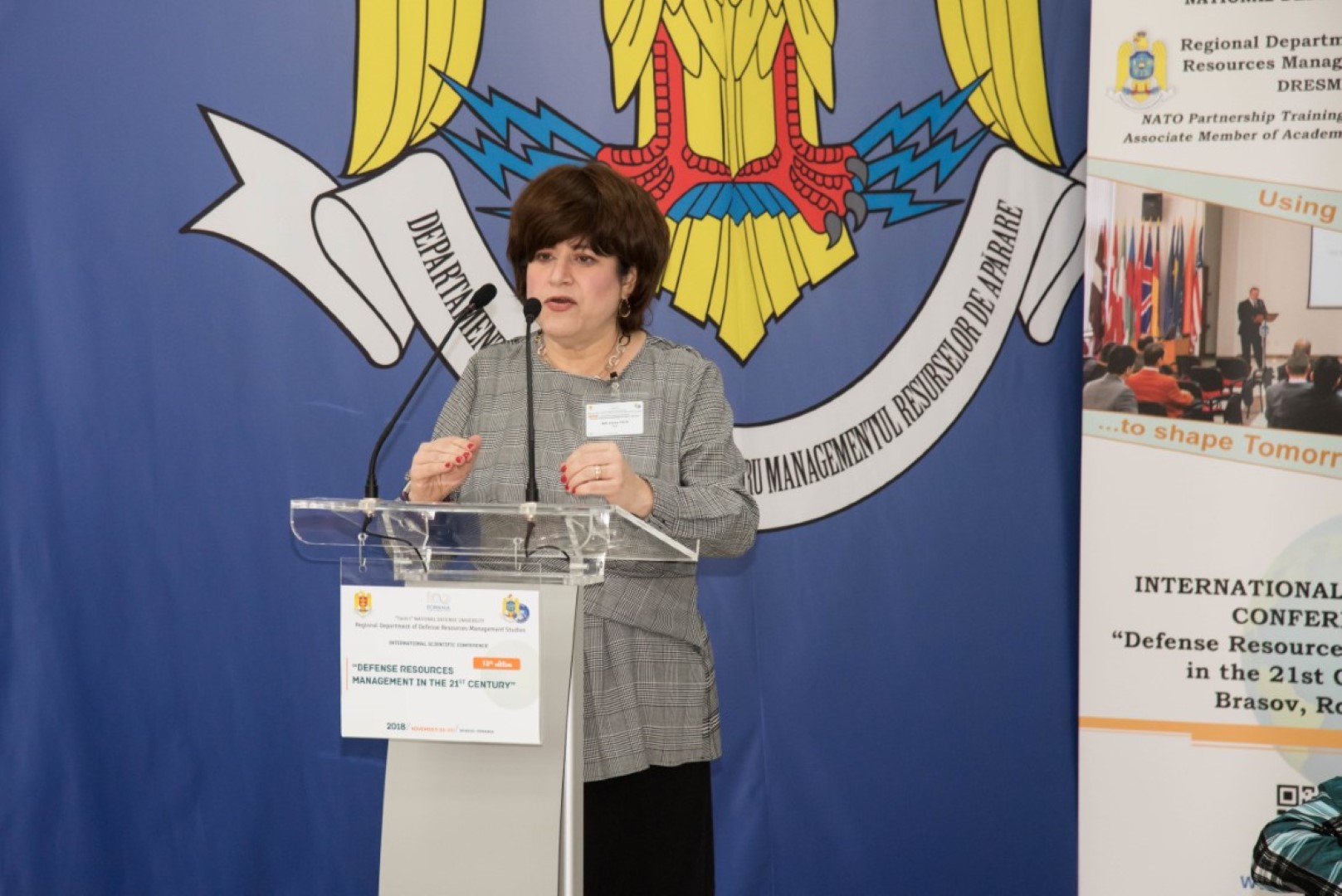
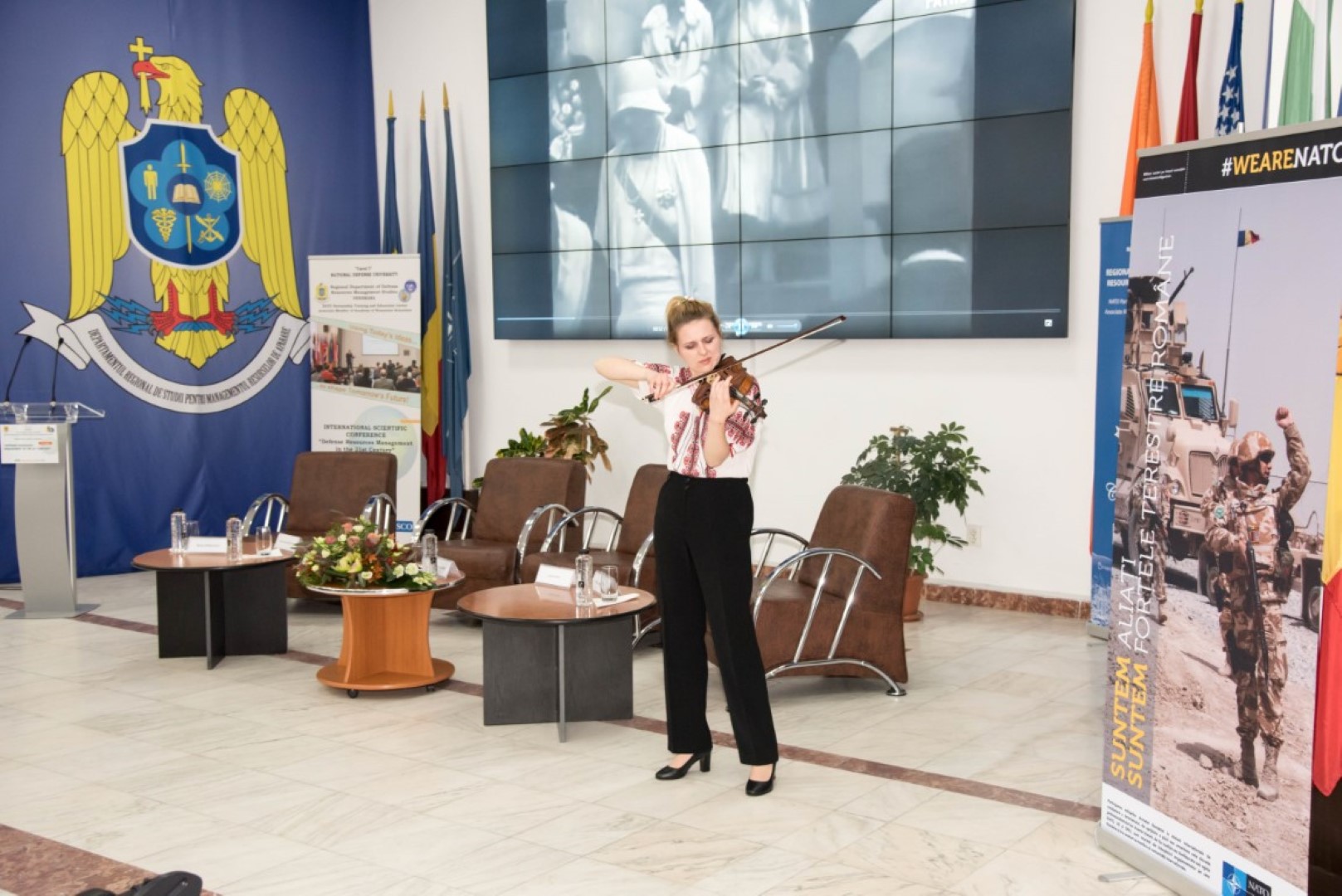
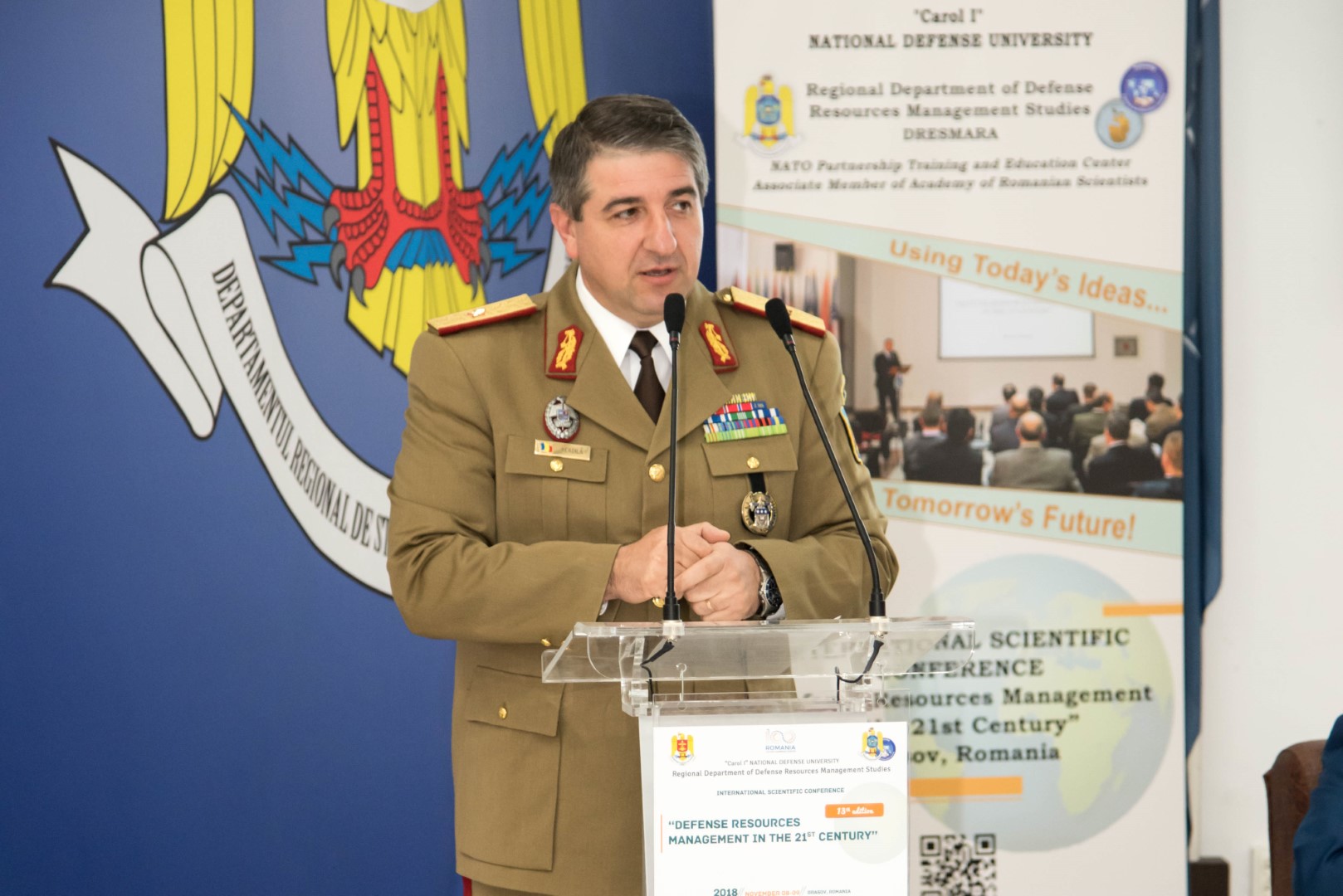
PICTURES FROM THE EVENT
Media
ARTICLES
TOURISM AS AN INFLUENCING FACTOR FOR THE INTERGOVERMENTAL RELATIONS
Cristina Andrada BABA
The Bucharest University of Economic Studies / Doctoral school of Marketing / Bucharest / Romania
Abstract:
This paper examines non-financial factors influencing tourism. Such analysis is important as the touristic relationship between countries has two major impacts on diplomacy and peace maintaining: it helps the process of reducing the existing conflicts and it enhances a better political economical and security collaboration. Both governmental and private sector are influencing the tourist flows, and vice versa. A proper understanding of the implications of tourism and an effective cooperation can lead to tighter connections among states.
Marketing, Tourism, Public Diplomacy, Romania

STUDY ON PERCEPTION IN MILITARY ENVIRONMENT OF THE PROBLEMATICS SPECIFIC TO THE MANAGEMENT OF TECHNICAL SYSTEMS
FOR DEFENSE
Assoc.prof. Dorel BADEA, PhD*, Assoc.prof. Dumitru IANCU, PhD*,
Assist.prof. Crenguţa MACOVEI, PhD *, Marin-Marian COMAN*
* “Nicolae Bălcescu” Land Forces Academy of Sibiu
Abstract:
This article brings to the attention of the specialists involved in the logistic management and academia a few issues resulting from the processing of data collected in 2018 through a questionnaire. Fundamental concepts such as risk, ergonomics, integrated logistic support, human error are aimed, as understood and perceived by military personnel directly involved or in areas related to the management of military technical systems.
Key words: military technical system, management, perception, questionnaire
PARTICULARITIES OF HUMAN RESOURCES MANAGEMENT IN MONO-SPECIALTY PUBLIC HEALTH ORGANIZATIONS
Dr. Mihaela BĂRCAN, Ph.D candidate
Faculty of Economics and Business Administration/ Department Management/ University of Craiova/ Romania
Abstract: Human resources management in the health sector is subject to many challenges caused by the same type of problems faced by other health systems around the world: lack of staff motivation, inefficient use, low productivity, inadequate training and, last but not least, its poor geographical distribution within the health system, from overcrowded areas of medical staff such as university clinics to the lack of medical services in some areas, in particular rural.
Key words: public health, management, human resources, hospital, mono-specialty
THE IMPORTANCE OF THE APPLICATION OF MODERN HUMAN RESOURCES MANAGEMENT METHODS TO THE LEVEL OF HEALTH ORGANIZATIONS
Dr. Mihaela BĂRCAN, Ph.D candidate
Laurentiu BĂRCAN, Ph.D
Faculty of Economics and Business Administration/ Department Management
University of Craiova/ Romania
Abstract: Human resources management is applied at the level of health organizations in a unitary manner, as in other socio-economic entities in our country, based on legal provisions. Until now, no strategy has been identified for the field of human health care, but the research could lead to the development of some dedicated techniques and methods.
Key words: public health, management, human resources, hospital, organization
IMPACT OF INFORMATION RESOURCES MANAGEMENT UPON THE ORGANIZATION PERFORMANCE
Col Boulbaba BEN SAID
TMOD /DPT/ MA/Tunis/Tunisia
Abstract:
In era of globalization, exploiting useful information to acheive competetive advatages is very significant. Information Resources Management (IRM) strategies based on many facets, thus play a vital role in either success or developemnt of organization performance. Those enterprises which are adaptive to devloping modern IRM principles, grow better and flurish marvously. However, accomplishment of strategic objectives is dependant on sccessful execution of IRM processes across organization. This article aims to provide guidelines for managers on understanding importance of IRM and tips for further execution within organization to acheive desired goals.
Key words drive change, Information Resources Management; organization performance, strategic objectives, IRM Processes, desired goals.
BIASES INFLUENCE ON MILITARY DECISION MAKING
Alexandru BOSÂNCEANU
Ministry of National Defense/ Romania
Abstract:
Humans often employ cognitive heuristic principles when making decisions. These cognitive heuristic principles allow the human to simplify the decision making task, and can, by their very nature, lead to deviations, referred to as cognitive biases, which influence the quality of the decisions. This paper examines the applicability of findings from behavioral economics to military decision making. Usually manuals concerning the Military Decision Making Process mention general biases in decision making but do not mention specific biases or specific mechanisms for mitigating bias. The author provides examples for different type of bias, which include overconfidence bias, confirmation bias, disconfirmation bias, availability bias, sunk cost fallacy and anchoring bias and proposes ways to mitigate such biases, so that may help militaries to be more accurate in their assessment and thus make better decisions. The author concludes by highlighting that in combination with contextual factors, cognitive biases have been shown to result in starkly inaccurate assessments and therefore poor military decisions at the strategic and operational levels. He highlights that the people need to be cognizant of these biases and to implement strategies to counteract them.
Key words: Cognitive Bias; Decision-Making; Military; Overcoming Bias; Mitigate;
ANALYSIS OF THE TUNISIAN DEFENSE BUDGET IN THE 21ST CENTURY, MAJOR TRENDS AND CHALLENGES IN DEFENSE POLICY
Lieutenant-Colonel Mohamed Tahar BRAHIM
MoND – Republic of Tunisia –
Abstract:
Conducting a long time frame (2001-2018) qualitative-quantitative assessment of defense budget of the Republic of Tunisia in order to provide a clear feature and develop an understanding of its Major trends and challenges in the defense policy.
For this purpose, the paper is organized as follows: a general overview of the budgeting system, global analysis, structural analysis, comparative analysis, according to these analysis we will build assumptions on the current defense Policy and the main issues challenging decision makers.
Key words:budget, defence, policy, qualitative-quantitative assessment
THE THREE SEAS INITIATIVE- A NEW ROLE FOR ROMANIA?
Oana -Elena BRÂNDA, PhD, Lecturer
Titu Maiorescu University, Faculty of Communication Studies and International Relations, Bucharest
Abstract:
The Three Seas Initiative Summit, which took place in Bucharest in the past week, was a good opportunity for Romania to enhance its regional role as a decision-maker, as well as a security provider. After its accession to NATO and the EU, this is the first considerable step that Romania makes in the direction of connecting several ties on security, defense, energy policy and trade, on a regional level. By stepping in in the first reunion of this kind, Romania has taken a leading role in establishing a network of communication and cooperation with the region’s countries, aiming thus to coalesce all efforts towards a single goal. Although an impressive mission, it is also a very difficult one, as it is hard to establish whether the country has enough resources to pool towards such an effort in the long term. Therefore, the aim of the present paper is to asses Romania’s role in the Three Seas Initiative, as well as the resources and instruments available in that regard on a national level, notwithstanding the importance of the mission the country has engaged in and the international potential it looks forward to achieving.
Key words: security, infrastructure, energy, digital markets, regional role
THE TEAM-LEARNING OUTCOMES OF MILITARY STUDENTS AT UNIVERSITY SEMINARS
Ştefania BUMBUC, Associate Professor, PhD
“Nicolae Bălcescu” Land Forces Academy/ Sibiu/ Romania
Abstract:
The paper presents an analysis and some arguments to outline possible ways to improve the team-learning outcomes of military students at university seminars. The pedagogical solution for university evaluation process are taken over and adapted from military training, which seem to be more effective in this respect. The argumentation is built up around a student’s statement according to which military training enhances the cohesion of the students group and conversely academic classes destroy it. An important aspect that could improve the evaluation of the teamwork at university seminars is taking the group outcome as a whole and giving the same grade to all members of the group. The paper deepens the analysis of this evaluation practice and brings arguments for its widespread use in evaluation of the military students’ team-learning at seminars.
Keywords: team-learning evaluation, military student evaluation, group cohesion
A RESEARCH ON COMPETENCE MISMATCH IN CAPABILITY BASED DEFENSE PLANNING
Ebru CAYMAZ*
Fahri ERENEL Associate Professor, PhD **
Semih SORAN Associate Professor, PhD ***
* Marmara University, Department of Management and Organization, Istanbul, Turkey
** National Defense University, Defense Resources Management, Istanbul, Turkey
*** Ozyegin University, Professional Flight Program, Istanbul, Turkey.
Abstract:
Strategic workforce planning, as a significant part of human capital management, helps organizations to have proper staff with the necessary skills and competencies to achieve strategic goals in defense planning. However, it may also turn into a challenging process for many defense organizations when competency mismatch becomes a matter of discussion. In this study, firstly we define basic but transformed concepts of capability based defense planning. And then we try to present applicable solutions for competency mismatch incidents in this highly significant process.
Key words: Competence Mismatch, Capability Based Defense Planning, Defense Planning, Defense Resources Management.
THE IMPACT OF THE RUSSIAN-UKRAINE CRISIS ON REGIONAL SECURITY
Svetlana CEBOTARI doctor habilitate, associate professor *
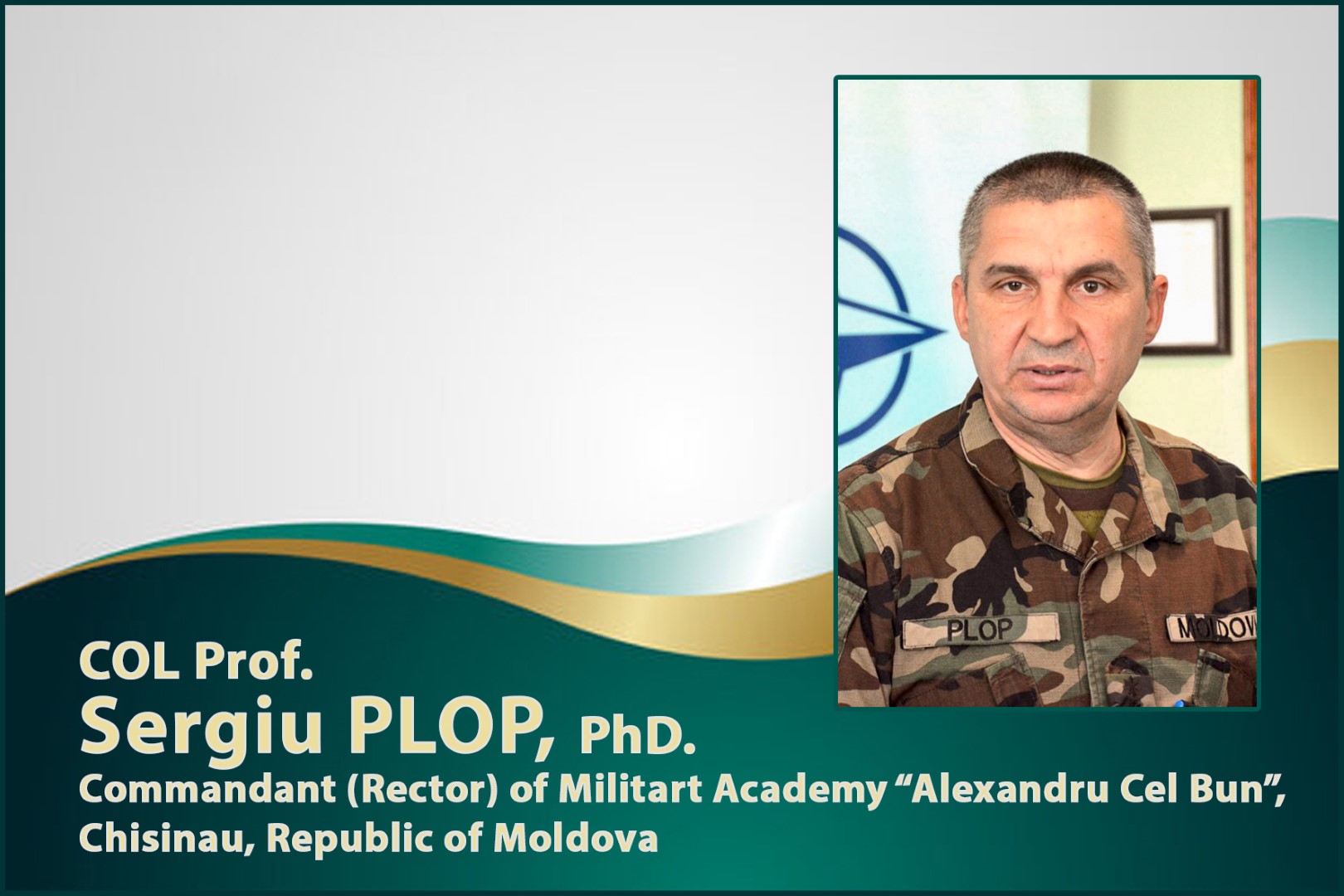
Sergiu PLOP **
* „Alexandru cel Bun” Military Academy State University of Moldova/ Faculty of International Relations/ Political and Administrative Sciences, Department of International Relations / Chisinau / Republic of Moldova.
** „Alexandru cel Bun” Military Academy Commander (Rector)/ Chisinau/ Republic of Moldova.
Abstract:
The crisis in Ukraine triggered in early 2014 was a moment of inflection in the history of international relations. A number of specialists in political science sought to explain the reasons for the occurrence of such events in the 21st century and what implications they may have for the global security system, but especially the regional one. This paper analyzes the impact of the Russian-Ukrainian crisis on regional security. The consequences of the occupation of the Crimean peninsula by the Russian Federation are also undermined.
Keywords: Regional security, impact, Russian-Ukrainian crisis, Russian Federation, Ukraine
CRYPTOCURRENCIES – NATIONAL SECURITY IMPLICATIONS
Maria CONSTANTINESCU, Associate Professor
National Defense University Carol I / DRESMARA / Brașov/ Romania
Abstract:
The blockchain technology and the spreading use of cryptocurrencies have the potential to be used for benevolent, as well as malevolent purposes and may become an issue for a country’s national security. Cryptocurrencies are slowly but steadily capturing the acceptance from public and even government and financial institutions, so their use will probably increase in the future. This means that states need to adapt their national security approach to include the challenges posed by the technical and financial innovations of cryptocurrencies, making use of their beneficial aspects but also keeping in mind the potential threats they may pose.
Key words: cryptocurrencies, national security, money laundering, financing
DEFENCE INDUSTRY-PROPOSALS FOR IMPROVEMENT
Cornel CRUŢAN
Ministry of National Defence/ Romania
Abstract:
The subject of this analysis is to find the most proper way to manage the defense industry capabilities for a small/medium country. Defense industry can be defined as a group of companies which design, develop and produce military equipment and support for it. The first questions that arise are the following: “What is defense industry?”, “Where is its place?”, “How must be managed: like a hole or individual?” and “Which is the most proper way to be: state owned, private or public private partnership?”. In order to answer to these questions will be presented a short history of defense industry, some current situation from different countries and future directions for national defense industry.
Key words: defense, industry, equipment, morenization
THE GROUPS THAT MODEL THE PLANET
Professor Emilian M. DOBRESCU, PhD *
S. R. III Edith Mihaela DOBRESCU , PhD, , **
*Member of the Academy of Scientists, Scientific Secretary of the Economic, Legal and Sociological SciencesSection of the Romanian Academy
General Manager of CSCBAS of the Romanian Academy,
13 September Calea, no.13, Bucharest, ROMANIA,
**Institute for World Economy of the Romanian Academy,
13 September Calea, no.13, Bucharest, ROMANIA
Abstract:
Terra was inhabited by several successive civilizations, a theory developed by us in a self-contained work.[2]
All decisions made on Earth for the evolution of these successive civilizations belonged to groups of initiates (generic name) who modeled the development of these civilizations and of the present Humanity or Humanity, alone or in contact with other alien civilizations. This paper briefly presents several groups of countries that, along with the human groups of initiates (Bilderberg, the US External Relations Council, the Frankfurt Group etc.), shape the current human evolution on our planet.
Key words: G8, G20, G30, international relations, international political economy, macroeconomic impacts
JEL Classification: F50, F53, F55, F62
ETHICAL FUNCTIONS IN MANAGING DEFENSE RESOURCES
Col. Krzysztof DRABIK, Prof. PhD
Faculty of National Security War Studies University/Warsaw/Poland
Abstract:
Every type of social relationship requires specific regulations. The moral principles are a natural determinant of harmonious social relations. However, the institutional structures of the state, including the processes of human resources management in the field of defense, are subject to normative codification of ethics. Ethics is a key element of well-equipped institutions in the state.
Key words: ethics, management, human resources, security.
PARTICIPATION OF WOMEN IN CREATING SECURITY – POLISH ARMED FORCES AS AN EXAMPLE
Barbara DRAPIKOWSKA
Faculty of National Security/War Studies University/Warsaw/Poland
Abstract:
The presentation concerns the role of the women in creating security on the women military service like example. The key points of presentation are history and present circumstances of women military service. It concerns statistical data representing of women in the structures, as well as non-measurable variables, like adaptation to service, gender equality, real tasks realized by women, men`s attitudes. The army is the institution has been created by man and for man from many ages. Nowadays, the women are minority in army. There are dominated masculine style of work and communication. It is connected with gender, culture, stereotypies and society`s mentality. For many soldiers this situation is quite inconvenience because of sexual and gender diversity. They think about women as a problem because this needs a lot of changes in army and social mentality. But the research shows that there are places on the world where the female resources are necessity because the women are the only people who could contact with local civilians.
Key words: women in army, women military service, gender and security.
CURRENT SHORTFALLS INSIDE THE COMMON SECURITY DEFENSE POLICY
Associate Professor PhD. Vlad Ionut DUMITRACHE*
Colonel Professor PhD. Florin Eduard GROSARU**
*The Regional Department of Defense Resources Management Studies, Brasov/ Romania
**Professor, PhD, Associated member of The Academy of Romanian Scientists, Director of the Regional Department of Defense Resources Management Studies – NATO Partnership Training and Education Centre
Abstract: Starting with 2014 and following the Crimea Crisis, Defense Expenditures have increased for European Union Member States who are also part of NATO. The European Union has developed its own defense agenda since 2010 when the European Commission appointed a new vice-president for this specific task. With worries that the CSDP might duplicate NATO burden sharing, while member states of both organization are being confronted with gaps in reaching the needed capabilities, it is the aim of this paper to analyze the current shortfalls, the major issues and possible future directions that the European Union might face and solve while developing a Common Security Defense Policy. Throughout the paper a comparison between the CSDP capability development and the NATO Defense Planning Process will also be realized in trying to provide relevant information on whether the two organization EU and NATO can collaborate or not in issuing Defense Policies.
Key words: defense expenditures, defense planning, capabilities, security policy, global strategy
EAST VERSUS SOUTH DILEMMA – CAN NATO COHESION BE SAVED?
Liliana FILIP, PhD Candidate
National University of Political Studies and Administration /Bucharest/Romania
Abstract:
Alliance cohesion—a crucial requirement to successfully implement the Warsaw commitments and tackle current security threats—is increasingly being tested. These tests arise from security challenges in NATO’s eastern and southern flank but also from other areas, such as domestic politics, which have spillover effects on the willingness of the Alliance to work together. With different threat perceptions and national preferences, NATO countries must ensure the Alliance’s cohesion in order to maintain the credibility of its collective defense commitment. Indeed, southern Europe is more concerned about developing NATO’s capabilities in the southern flank to face what it sees as more pressing threats to its security. The yawning gap between Allies’ threat perception risks undermining NATO’s ability to simultaneously address threats coming from different directions.
Key words: cohesion, NATO, east initiatives, south mechanism, collective defense
CORRELATING
THE PLANNING PROCESSES IN CAPABILITIES BASED PLANNING, STRATEGIC PLANNING AND PPBES
Virgil-Nicu FLORESCU, PhD
Special Operations Command/ Romania
Abstract:
Human resources management is applied at the level of health organizations in a unitary manner, as in other socio-economic entities in our country, based on legal provisions. Until now, no strategy has been identified for the field of human health care, but the research could lead to the development of some dedicated techniques and methods.
Key words: public health, management, human resources, hospital, organization
MILITARY EDUCATION FOR GEOPOLITICAL TIMES
Colonel prof. Florin-Eduard GROSARU, PhD
Associated member of The Academy of Romanian Scientists;
Director of the Regional Department of Defense Resources Management Studies
–NATO Partnership Training and Education Centre.
Abstract:
The nation desires and requires its leaders to be well educated professionals capable of thinking and acting tactically, operationally, and strategically to get the VICTORY and to ensure national security. The education of military leaders and national security professionals contributes to a successful strategy, campaigns, and tactical operations. We must have a professional army, to be capable to ensure our security that can be strengthen by our membership to NATO and our strategic partnership. The biggest challenge for any military system is that the education is not available over night. It takes time, sometime too much time and, of course, a lot of resources: human, informational, financial and logistics. Those are needed in the same proportions for both educational process parts: professors and students. As a result, the beneficiaries have only two alternatives: waiting or invest, both under umbrella of other challenge for the military education system, which is to be on time with the Geopolitical times.
Keywords: military education, education management, performance, military organization, geopolitics
EFFICIENCY AND EFFECTIVENESS
IN THE MILITARY
Dorin-Gabriel ILIE
Ministry of National Defense / Bucharest / Romania
Abstract:
To be or not to be? It sounds very familiar for anyone on this Earth, isn’t it? I would put it in another way: Efficiency or effectiveness? That is The Question that a different Shakespearian military background thinking could ask! The field the debate smoothly moves into with this famous monologue is no longer actor’s area of interest, but a military one. And if we talk about a military, L’art de la Guerre is on the top of it. Should we do the things right? or Should we do the right thing? In a perfect world, I would give a positive answer for both. As a result, being strongly linked with these questions, the concepts of Efficiency and, respectively, Effectiveness, which are subjects for diversity of approaches, will be extended throughout this paper as I consider, in my opinion, it should look like in the military, without pretending to be an exhaustive approach.
Key words: efficiency, effectiveness, military
ELEMENTS OF DECISION TO PROTECT OWN NATURAL RESOURCES
Mircea Sebastian MANCIA Lecturer Dipl, PhD., MANCIA Aurora Univ.Prof.eng., PhD
Faculty of Construction, Cadastre and Architecture / Department of Cadastre / University of Oradea / Oradea / Romania
Abstract:
The world of the 21st century must find elements of cooperation between economic and social development, enhancing the environmental protection policies and sustainable development. Legislation in this area needs to be harmonized globally to support the growing needs without endangering the future of next generations. Sustainable development strategy represents the compatibility of economic, social, environmental and environmental elements with sustained progress in these areas worldwide. Global restructuring means coherent legal policies that would keep în balance the ecosystems and protect the environment. The solutions also mean limiting the use of non-renewable resources: cutting the forests, reducing arable land /head of the population, reducing the volume of drinking water globally, etc.
Key words: sustainable development, environmental protection policies, legislation in the field, arable land, drinking water resources.
FUTURE CHALLENGES TO NATO AND THE IMPACT ON THE DEFENCE POLICY OF THE EUROPEAN ALLIES
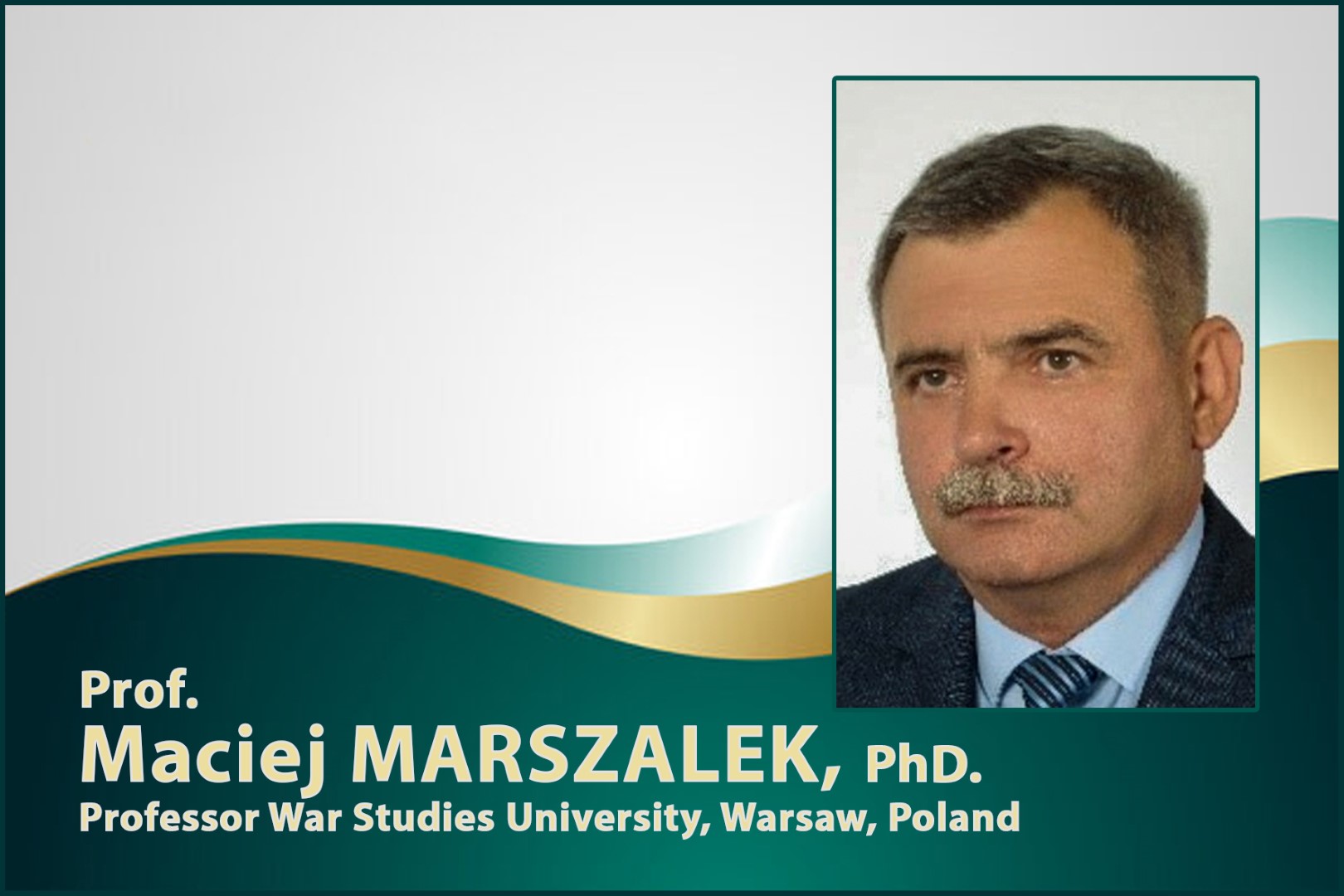
Prof. Maciej MARSZAŁEK PhD.
The War Studies University, National Security Faculty, Warsaw, Poland
Abstract:
The contemporary security environment can be characterised by multiple challenges – both in military and non-military sphere – that NATO must face. These challenges entail the necessity of the Alliance to adapt itself through increasing the military and civilian capability, that will allow an efficient deterrence, and response if necessary. That, in consequence, requires the member states to properly modernise their armed forces, increase their non-military defence capabilities, and – most of all – to build up the allied solidarity and the willingness to act.
Key words: NATO, defence policy, security
ESTIMATING CYBER THREATS IN THE CONTEXT OF THE CONTEMPORARY SECURITY ENVIRONMENT
Mihai Marcel NEAG*
Dănuţ MOŞTEANU**
* “Nicolae Bălcescu” Land Forces Academy, Sibiu, Romania
**“Nicolae Bălcescu” Land Forces Academy, Sibiu, Romania
Abstract:
Technological and scientific changes in all areas of activity will also bring about changes in the security environment and may create strategic surprises that we are currently unaware of and misunderstood. The rapid development and rapid implementation of information and communication technology systems, networks and applications has led to the emergence of cyber space, which generates new forms of power, generically called by international relations specialists as “cyber-power”. In the current context, there is an increasing presence in cyberspace and the execution of a growing number of cyber operations by both state and non-state actors. Recent events on the international scene signal the intention of some states to boost the quantitative and qualitative development of military cyber capabilities. In this context, this communication identifies the constants, variables and transformation trends of the current security environment determined by the projection of cyber power.
Key words: cyber, threats, security, capabilities
CONTINUOUS FIGHT AGAINST CYBER-ATTACKS ON SENSITIVE DATA, BANKING AND FINANCIAL SYSTEMS
Silvia Elena NIȚESCU PhD. candidate
Mihaela Paraschiva LUCA PhD. candidate
„Lucian Blaga” University/ Doctoral Economic Studies/ Sibiu/ Romania
Abstract:
This paper considers the subject of cyber-attacks as one of the most worrying security issues that countries are confronting nowadays.
We describe the evolution of this concept, the main types of cyber-attacks and relevant examples in history and present days. We analyze the measures implemented by different countries and companies in order to counter-attack this form of aggression and its impact from an economic point of view.
Key words: security, cyber attacks, financial systems
COLLABORATIVE COMMUNICATION AND INFORMATION SYSTEM IN MODERN THEATRES OF OPERATIONS
Manuel Florin ONOFREI
Ministry of National Defence/ Romania
Abstract:
In modern theatres of operations there is a spectacular increase in the unconventional dimension of conflicts, the armed conflict being mostly informational, and the informational war constitutes a component worthy of consideration by any strategist who wants to win. The current situation and the trends in the US and NATO for the implementation of a collaborative communication and information system used in modern theatres of operations will be briefly presented in this article. We will also emphasize the importance of the architectural framework in the organization, integration and usage of collaborative communications and information systems in the modern theatres of operations
Key words: collaborative, communication and information system, enterprise architecture, Department of Defence Architecture Framework (DoDAF), NATO Architecture Framework (NAF), Network Centric Warfare (NCW), Federated Mission Networking (FMN)
SOCIOCYBERNETICS: RECONFIGURING THE INTELLIGENCE LANDSCAPE
Mihail PĂDURARU, MA.
Claudia-Iohana VOICU, MSc. Candidate
Center for Strategic and Competitive Analysis,
Chamber of Commerce and Industry Romania-Turkmenistan
Abstract:
In the current Information Age societies undergo a continuous structural change, and consequently, ensuring state stability and security has become a more and more difficult challenge in the context of asymmetric warfare techniques and tools being used increasingly often. As such, current analysts and policymakers face the need to revise and adapt their approach, in order to adequately understand the multiple threats appearing routinely and counter them in due time.
This paper aims to propose a new model of framing strategic intelligence analysis by applying principles from the branch of sociocybernetics.
By using this system of thinking, our goal is to help analysts and decisionmakers alike to identify clear social, political, economic patterns of behavior and correct them where necessary, as well as ease the identification of any structural vulnerabilities.
Key words: intelligence analysis, sociocybernetics, systemic framing, patterns
Factors Affecting Defense Acquisition Strategy
Maj Kakhaber PARCHUKASHVILI
Ministry of Defense/ Georgia
Abstract:
The Acquisition Strategy (AS) is a comprehensive plan that identifies and describes the acquisition approach, where Program Managers will follow and manage program risks and meet program objectives. An approved Acquisition Plan would be a written in the MoD instructions and would be fallen under the Defence Acquisition Strategy Document prior to the Milestones and before of any Request for Proposal (RFP) release for MoD Directorates for approving phase. During lack of funds and also with reduced resources, it is very crucial for MoD to spend money correctly for the most needed items in order to meet Defence priorities when it’s needed, and to meet requirements of the National Defense Strategy, and White Paper, also National Military Strategy. Focusing on the study of risks of the Acquisition Strategy we will go through to this process and will focus and highlight main important issues which affect the final Defense Acquisition Strategy’s development.
Key words: Defence Resource Management, risk analyses, decision-making process, Acquisition Strategy, Acquisition Process
THE ADVANTAGES AND DISADVANTAGES OF THE PLANNING, PROGRAMMING, BUDGETING END EXECUTION SYSTEM
Octavian Ionuț PĂTRAȘCU
Logistical Naval Base ‘PONTICA’ / Constanta/ Romania
Abstract:
The Planning, Programming, Budgeting and Execution (PPBES) system is a process used to allocate and use defense resources. Starting from the question of whether PPBES is an efficient and effective way of planning and spending resources for the Ministry of Defense, this paper identifies the advantages and disadvantages of implementing PPBES in this respect.
Key words: Planning-Programming-Budgeting and Execution System, PPBES
PESTICIDES – THREAT ADDRESSED TO THE ENVIRONMENTAL SECURITY OF THE REPUBLIC OF MOLDOVA
Larisa PLOP associate professor, PhD *
Igor SOFRONESCU associate professor, PhD **
Svetlana CEBOTARI doctor habilitate, associate professor, PhD ***
* Military Academy „Alexandru cel Bun” Chisinau/ Republic of Moldova/
** Deputy commander (pro-rector), Lieutenant Colonel (r), Military Academy „Alexandru cel Bun”/Chisinau,/ Republic of Moldova
*** Alexandru cel Bun” Military Academy State University of Moldova/ Faculty of International Relations/ Political and Administrative Sciences/ Department of International Relations / Chisinau / Republic of Moldova.
Abstract:
The presence of pesticides on the territory of the Republic of Moldova represents a direct threat to state security. The Republic of Moldova, with the support of NATO, is making considerable efforts to liquidate the pesticide stocks. This article analyzes the presence of pesticide deposits on the territory of the Republic of Moldova.
Key words: pesticides, security, threat, Moldova, NATO
THE DECISION MAKING PROCESS IN THE RESOURCES PLANNING STRUCTURES
Radu POCIUMBAN
Ministry of Defense/ Republic of Moldova
Abstract:
An integral part of the current life, the decision is an inevitable act both at the individual level – of each man, and at the level of the structure/organization – of the leaders. The Final Paper defines the decision concept, the stages of decision making, and the actual decision-making process in the resource planning structures. Its scheme shows that the different stages of the decision-making process, starting from the generating fact, can be chained within a framework after a linear process. In reality, however, the generating fact is the bearer of a strategy in force, and new facts are likely to emerge during the decision-making process.
Key words: organization, resources, planning, information, the course of action, alternatives, optimum, phases, obstacles, ricks, rationality, final decision.
WHY MANAGERS FAIL AND WHAT SOFT ELEMENTS SHOULD BE CONSIDERED WHEN AIMING FOR SUCCESS
University lecturer Brîndușa Maria POPA, PhD
The Regional Department of Defense
Resources Management Studies /National Defense University of Romania „Carol I”/
Brașov / Romania
Abstract:
No matter the number of books and articles that have been written on management and how to succeed as a manager, this is still a hot topic and much under debate. Unfortunately, management theory rarely meets practice, decisions are taken by those involved in top management without consulting lower management levels, without analyzing how and if certain objectives can be accompished. Managers produce long term plans and protocols without any forcasting and sometimes even without taking into consideration the present situatiation, thus engaging on the road to failure.
Key words: failure, management, credibility, respect, job status, participation
RISK MANAGEMENT CONCEPT AND ITS EFFECTIVENESS FOR A MILITARY ORGANIZATION
Wing Commander Aurangzeb SIPRA
Pakistan Air Force
Abstract:
Risk evaluation and its mitigation is very important aspect in resources management. It is more significant in Military environment due to scarce resources and less reaction time for switching over to new substitutes. Successful planning invariably includes strong risk management strategies. In Military set ups, precise and accurate decisions are mandatory because failure of campaign may cause vulnerable and even unrecoverable losses to nation and country. Leadership is not about glorious crowning acts rather it’s about making right decisions, keeping all anticipated risks in view, especially when stakes are high and consequences really matter. Caring risks means guarding objectives, sailing smoothly with and through challenging obstacles and most significantly, projecting Military organization with safety, as its cultural asset. The aim is to help commanders to accurately assess risks in Military environment in an incremental and comprehensive way. c 2018. Created by Wing Commander Aurangzeb Sipra. Peer-review under responsibility of the DRESMARA, Brasov (Romania). Keywords: Mitigation, successful planning, accurate decisions, unrecoverable losses, consequences, challenging obstacles, cultural asset.
Key words: public health, management, human resources, hospital, mono-specialty
NEEDS OF NON-MILITARY DEFENCE RESOURCES IN SCOPE OF EDUCATION– DILEMMAS OF XXI CENTURY
LTC Andrzej SOBOŃ, PhD
The War Studies University/ National Security Faculty, Warsaw, Poland
Abstract:
Every country must develop individual capacity to resist crisis or armed attack. In XXI century near 70 years after initialled the North Atlantic Treaty, threats and challenges call European countries in raise awareness to training and educating further non-military defence resources. The process cannot be done by military education institutions or for military personnel only. Educational efforts must start in high schools and continuing through public administration up to the highest authorities responsible for national defence. Dependence of the state defence preparations and collective defence to education for security is presented by Polish experience in specific geopolitical situation XXI century. Regional situation of eastern border countries of EU and NATO is diametrically different than at the end of XX century, therefore, every country must redefine education of societies for non-military preparation.
Key words: non-military preparation, security, resources, education
THE FUTURE OF THE EU SECURITY AND DEFENSE POLICY AFTER BREXIT
Professor Ileana TACHE, PhD.
Transilvania University of Brasov, Department of Marketing, Tourism-Services and International Business
Abstract:
This paper explores first, in order to frame the discussion, the historical evolution of the security and defense policy of the European Union (EU). Then the Brexit implications are analyzed, trying to answer the question: does Brexit create an opportunity for a more integrated security and defense policy by removing the UK veto, or will the damage from losing British military force be too great? Some important and worrying concluding remarks are derived, accompanied by an outlook of the EU security and defense policy in the near future.
Key words: Brexit, defense, security, EU
THE DEFENCE RESOURCES MANAGEMENT POLICY IN THE MINISTRY OF DEFENCE OF GEORGIA
Anuki TOGONIDZE
Defence Policy and Development Department/
Ministry of Defence of Georgia/
Tbilisi/ Georgia
Abstract:
The main task of Defence Resource Management System (DRMS) is to further institutionalize the efficient and transparent Resource Management System at the Ministry of Defense of Georgia. The paper describes the main principles of DRMS policy, planning processes, purpose and responsibilities , also basic stages of budget development, as well as basic and supportive structural subdivisions, roles of Management Team (MT) and their functions and obligations in the process of elaboration and execution of the budget.
Key words: Defence Resource Management, Planning, Programming and Budgeting System.
SMART DEFENCE – A FACILITATOR FOR NATO CAPABILITIES DEVELOPMENT
Cătălin TUDORACHE
Ministry of National Defense/Bucharest/Romania
Abstract:
The global economic crisis significantly affected NATO member states’ defence budgets and, subsequently, the Alliance capability to act as a provider of global security. The aim of this paper is to evaluate the extent to which Smart Defence concept provides a feasible tool for member states to boost the development of critical capabilities for the Alliance in the new geostrategic context, as well as acting as a facilitator for the fulfillment of the capabilities assumed by the nations in the framework of the NATO Defence Planning Process – NDPP.
The approach in which nations decide to involve in the identified Smart Defence projects varies from case to case, being dependable on various aspects including decision-making customs, the national security culture, the high senior decision makers involvement, the country’s strategic environment, the foresight of its evolution and the membership to different political-military organizations.
Key words: defence, strategy, long term, planning, multinational
AN OVERVIEW UPON CRITICAL INFRASTRUCTURE PROTECTION IN ROMANIA
Cristian TUN-COMȘA
Land Forces Academy/ ”Nicolae Bălcescu”/ Sibiu / Romania
Abstract:
Critical Infrastructure Protection is an area that is very well investigated, monitored, analyzed, evaluated, predicted and improved. The main problems that Romania faces with regard to critical infrastructure are related to maintaining it in a state of excellence. The quality of critical infrastructure in Romania needs to be improved, as security, reliability, performance conditions become important in the concept of „critical infrastructure”.
Key words: Critical Infrastructure, vulnerability, security, protection, threats, responsibility, activity sectors
MILITARY CLASSES AS AN AREA OF INTEREST FOR THE ARMED FORCES OF THE REPUBLIC OF POLAND. EXPERIENCE AND PERSPECTIVES
Ilona URYCH, PhD
Faculty of National Security War Studies University/Warsaw/Poland
Abstract:
Military classes have attracted the attention of the Armed Forces of the Republic of Poland due to several reasons: the curriculum that oscillates around the defense issues and the professionalization of the Polish Army in 2010, which resulted in its reduction in size to 100,000 soldiers and the limitation of the inflow of trained personnel. This study aims not only to investigate the characteristic of students studying in military classes and their goals but also to describe the curriculum in military classes. The aim of the article is to discuss the issue of military classes as an area of interest for the Armed Forces of the Republic of Poland. The research method used in the study was diagnostic survey, the research technique was a questionnaire and document analysis. Achieving the goal requires presenting the results of own research on the teleology of the functioning of military classes, where the characteristics of the students of military classes were characterized in terms of their axiological predispositions and objectives, and the objectives of programs implemented in military classes were presented. Next, the praxeology of the functioning of military classes was presented based on the diagnosis of various curricula as part of pedagogical innovations and on the basis of the „Teaching program for upper secondary schools of the subject of Military education”.
Key words: military classes, military education, Armed Forces of the Republic of Poland, pedagogical innovation.