

9th edition of the International Scientific Conference
Defense Resources Management in the 21st Century
November 14th 2014, Brasov, Romania
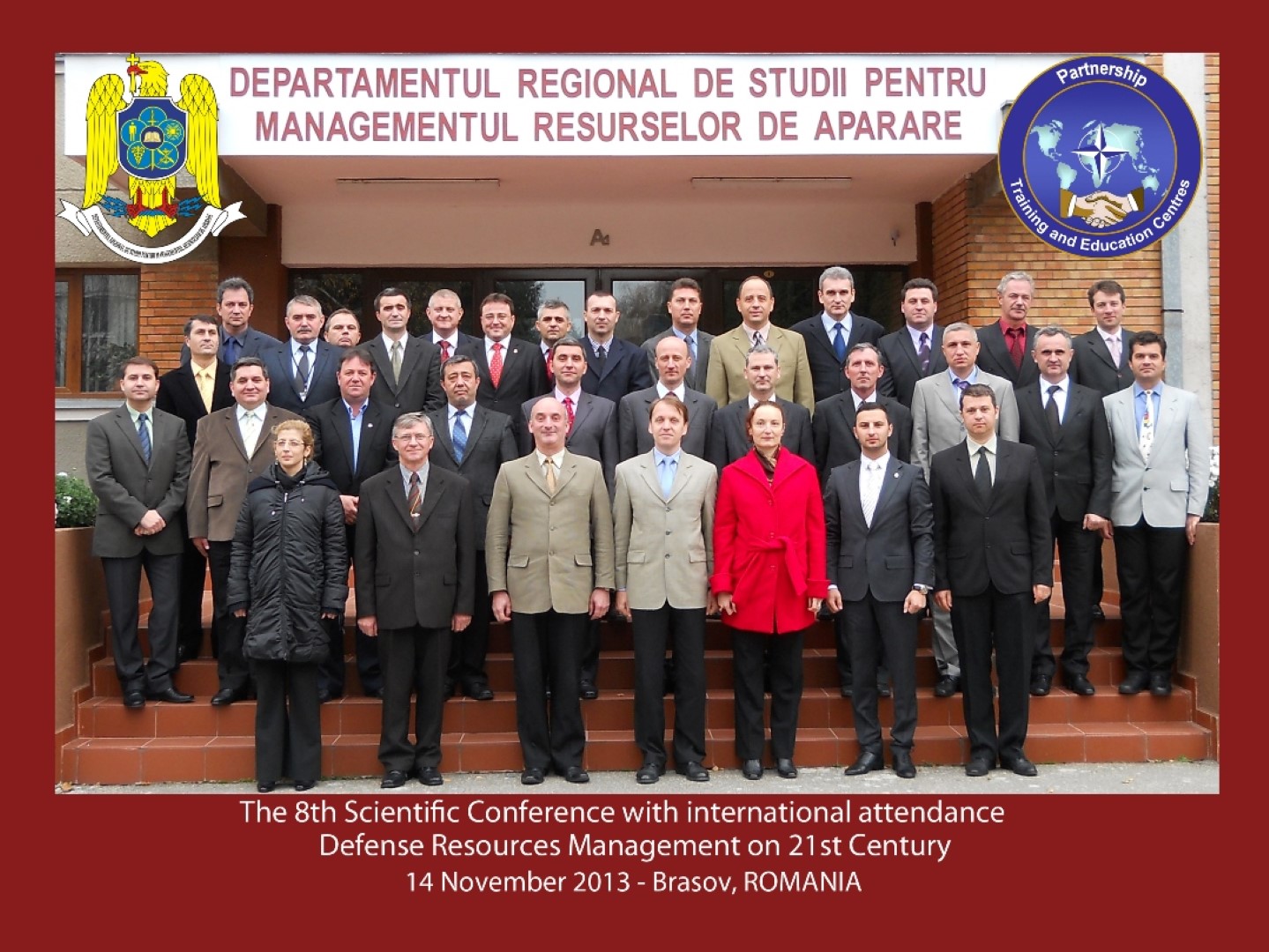
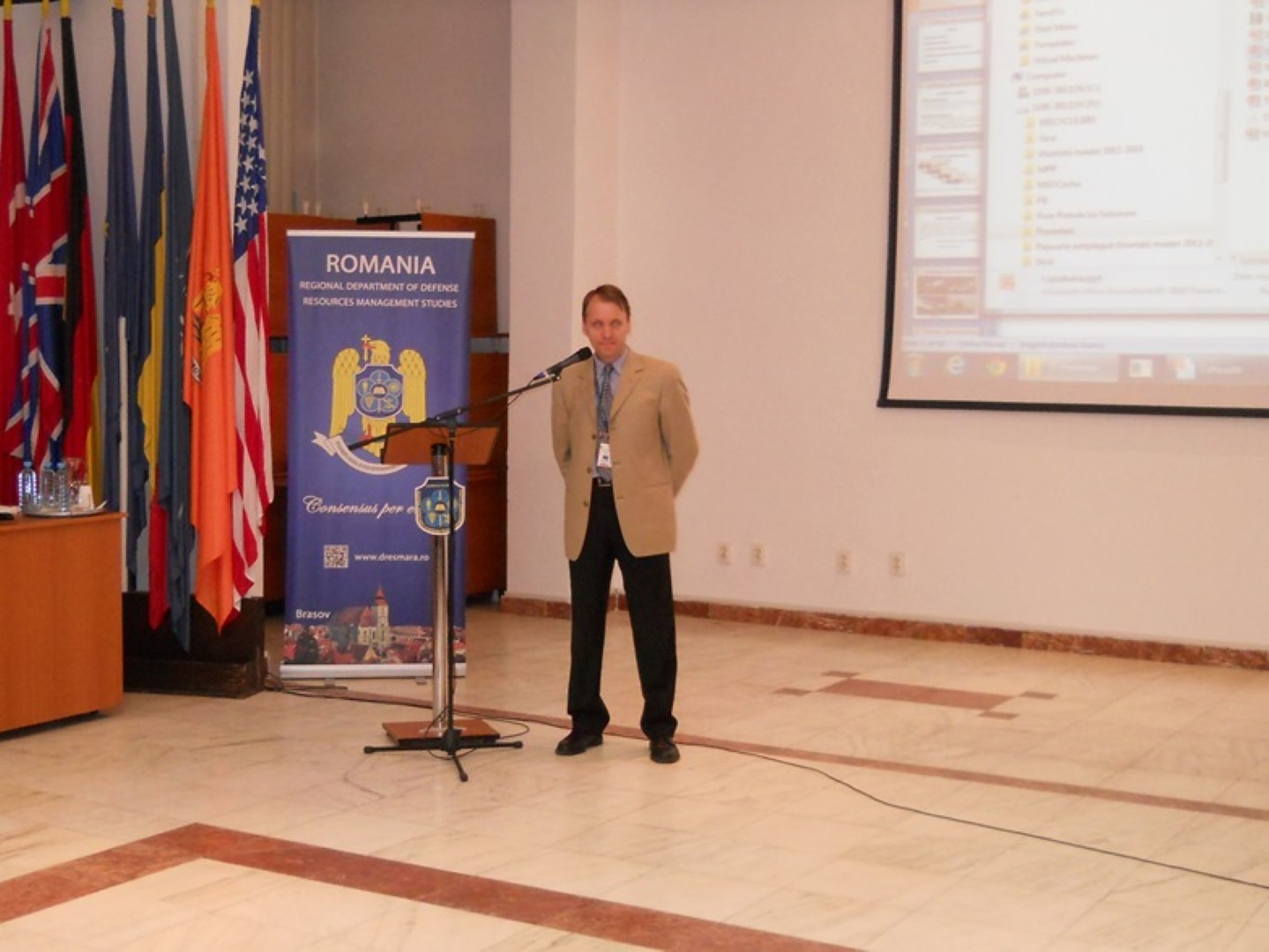
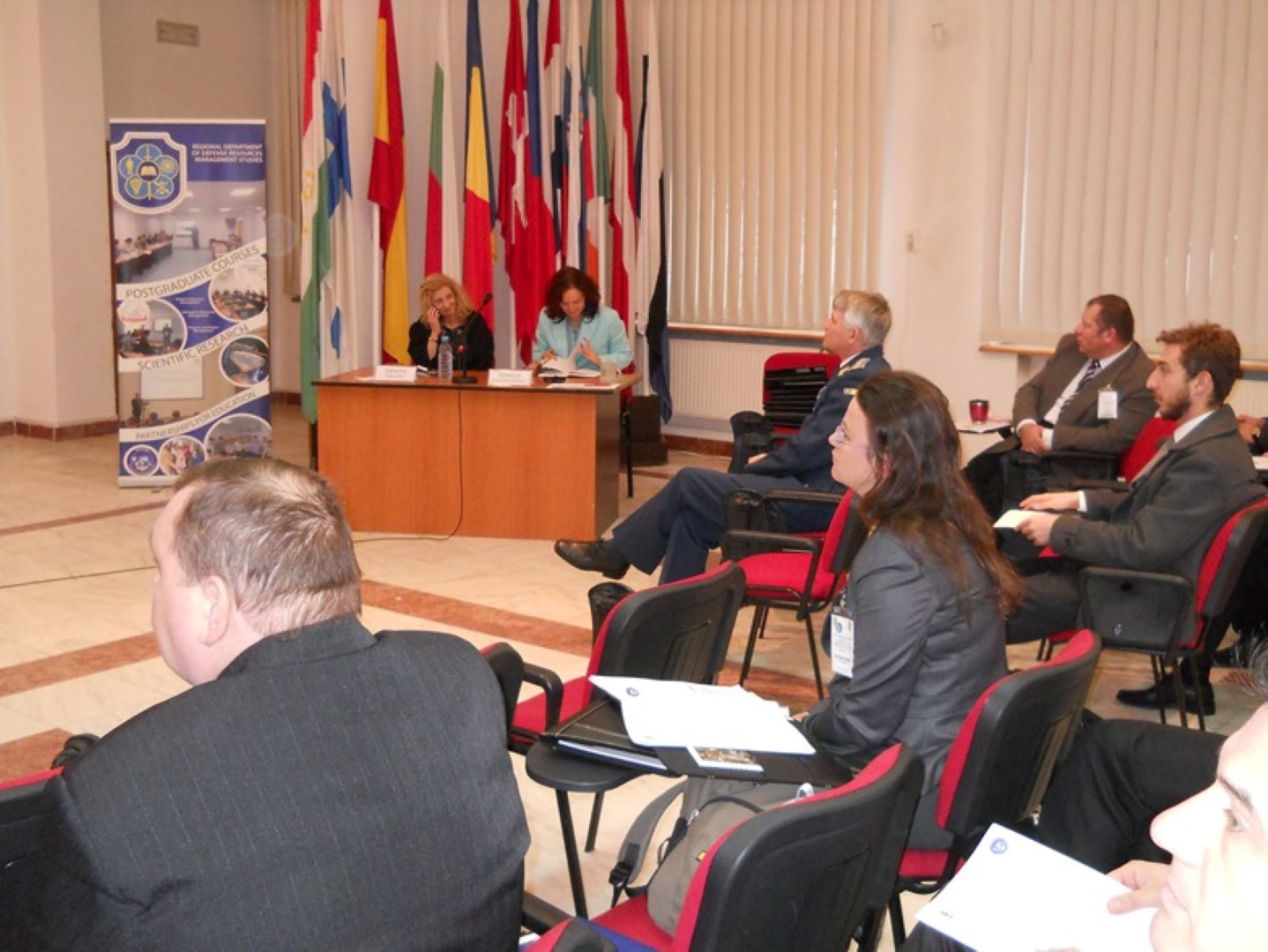
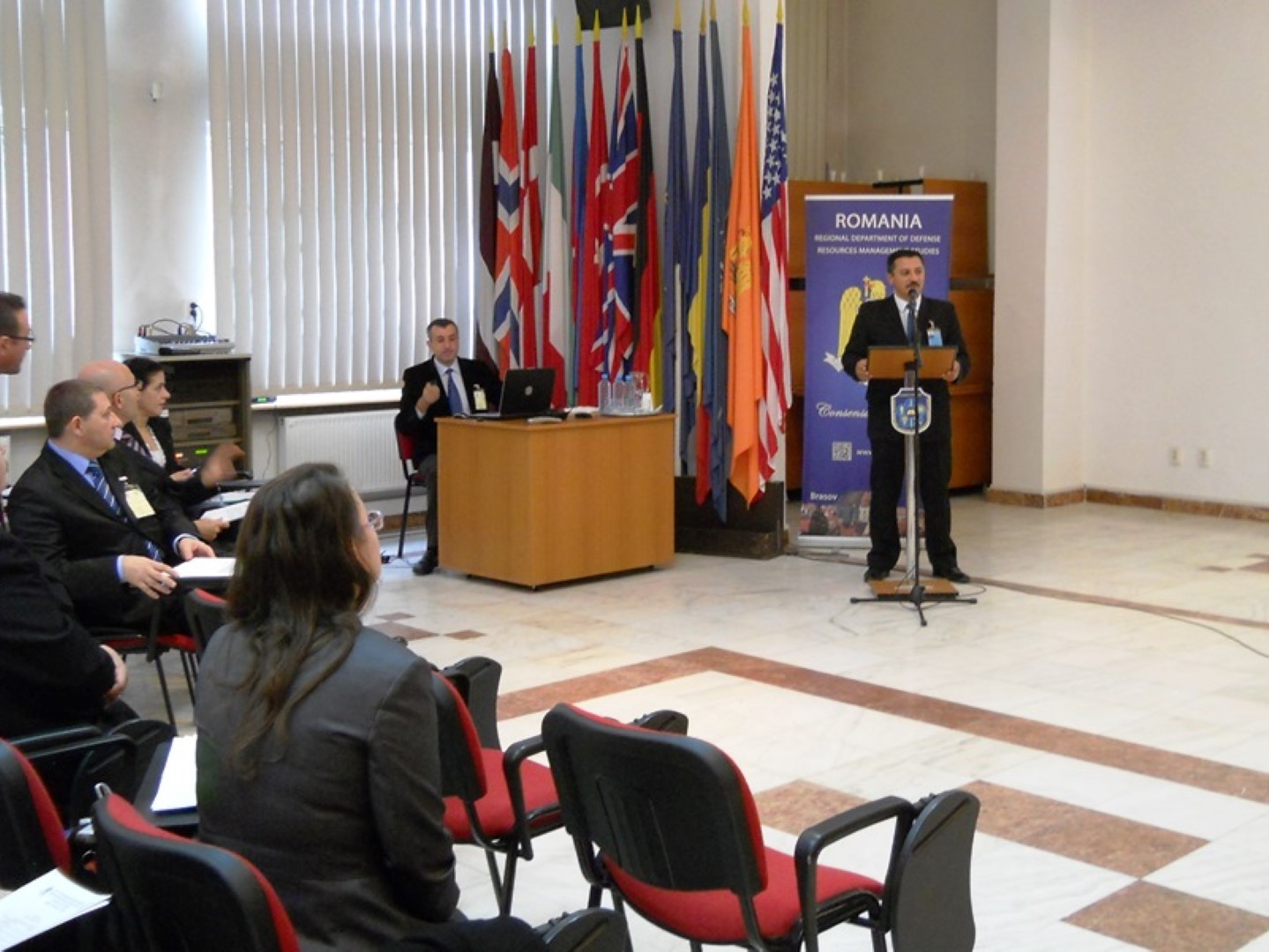
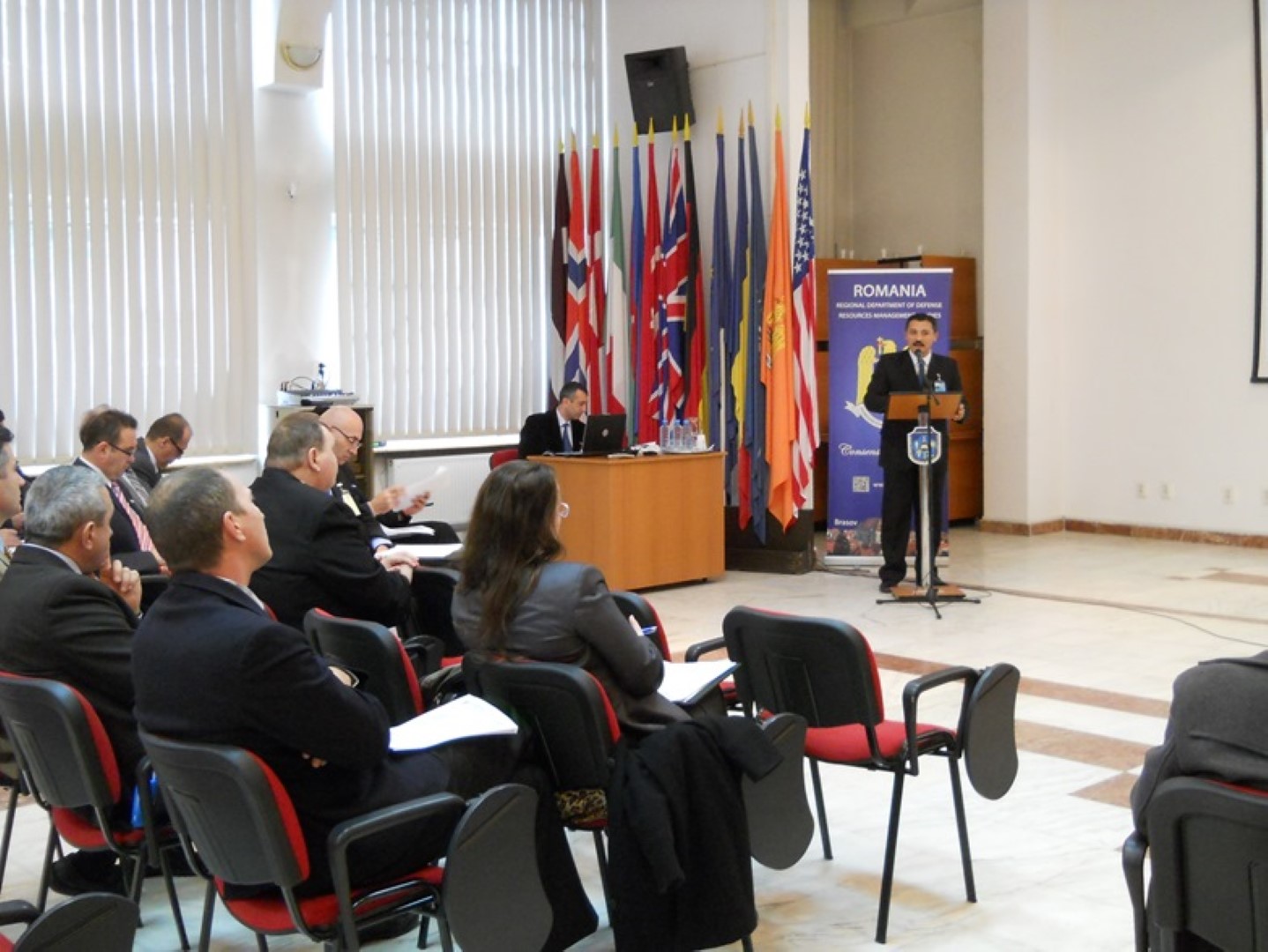
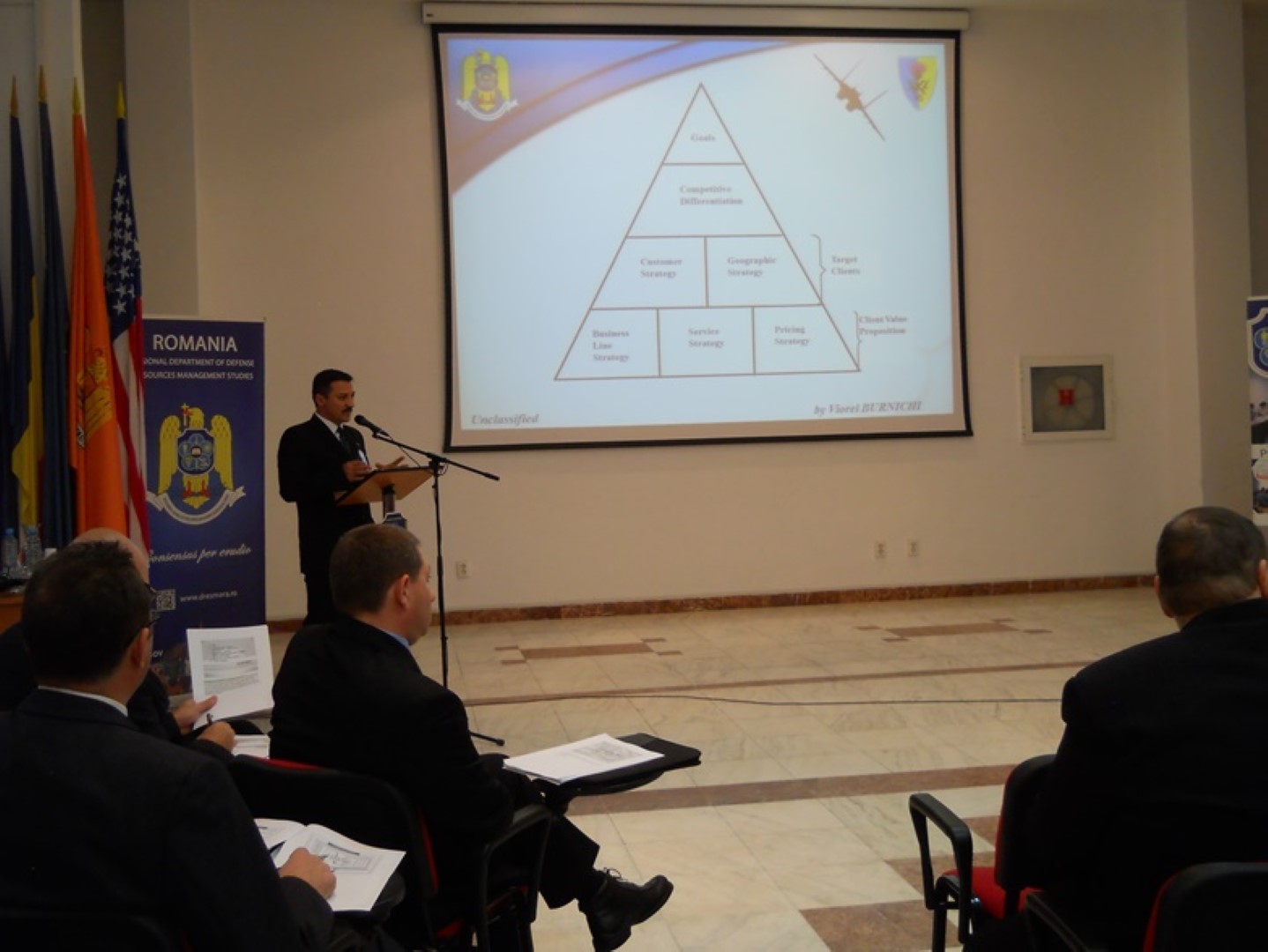
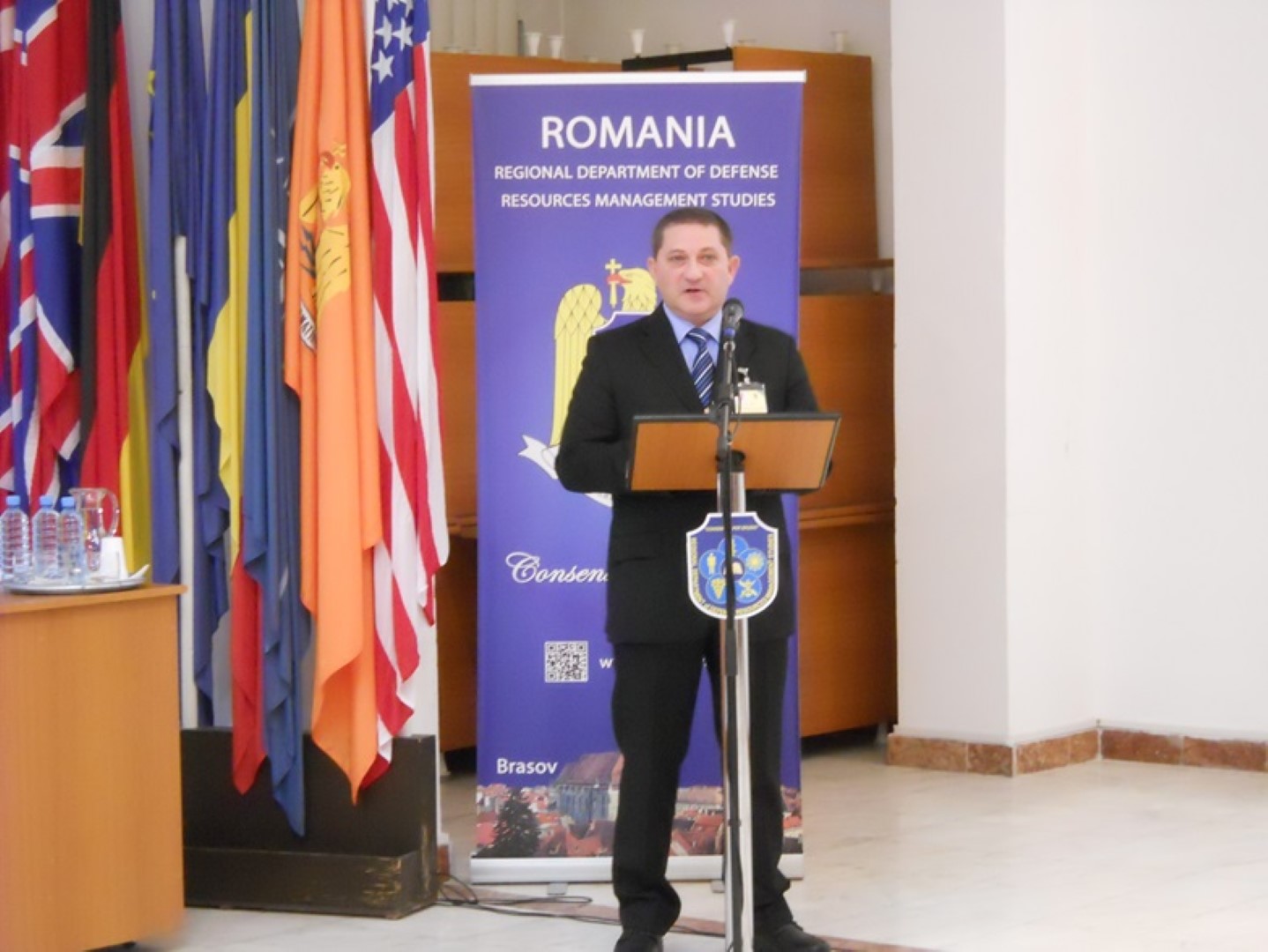
Conference snapshots
THE BASQUE CONFLICTS AND E.T.A. TERRORISM TODAY
Prof. Dr. Anghel ANDREESCU
National Defence University ”Carol I”/ Doctoral School/ Bucharest/ Romania
Drd. Raluca COȘEA
National Defence University ”Carol I” / Doctoral School/ Military Sciences/ Bucharest/ Romania
Abstract:
Euskadi ta Askatasuna (ETA) translated as Basque Homeland and Freedom, was founded in 1959 by a group of men from Bilbao, Spain. This organization had an extreme impact on Spanish politics and society in Europe and one of the most important factors of ETA’s radical nationalism were women members. Basque women were active in all areas of ETA, including the military wing, political party’s trades unions, etc.
After Scotland’s vote against its independence from Britain, it is possible that other separatist movements across the globe, from Europe to Asia, to the Middle East, to Africa will start sending signals for breaking all borders. The political fights all over the world, Scotland, China, fighting with the Uighurs in Xinjiang and Tibet, Iraq, Syria, Turkey, and Iran, started a fire in people’s hearts. Catalonia and the Basque Country in Spain and Flanders in Belgium, are considered the most influential regions and similar with the political and socioeconomic conditions of Scotland.
In October 2011, the Basque separatist group ETA announced the cessation of its armed activities, but no one will assure that terrorist actions will not happen again.
Key words: terrorism, ETA, Basque country, women, political violence, nationalism.

HOW A NEW APPROACH IN TEACHING CAN MAKE THE DIFFERENCE
Raluca Apostol-Mateş, Junior Lecturer
“Mircea cel Bătrân” Naval Academy, Constanţa, Romania
Abstract:
Everyday exposure to the Internet and its resources results in a significant change in scholars’ approach to learning. It is well known that the new generation of “digital natives” needs new teaching-learning strategies complementary or opposed to the old/traditional ones that permit learners to communicate and collaborate, and even switch the role with their teacher. E-learning is the common frame of this new type of transmitting-acquiring information. Providing an open and transparent environment for learners, E-learning can also ensure an authentic audience when they are to display the results of their work. Web-based learning and computer-learning are two of the new means that showed how new technologies make a difference in education when properly used.
The present paper intends to be an example on how teachers could transform Internet materials into skill-oriented teaching materials. As a teacher in a military institution I found out that the Internet is an endless source of materials that can be used for teaching ESP as students have already oriented their education toward a specific field and do concentrate more on language in context than on grammar and language structures. Using Internet based materials for enhancing both productive (Speaking and Writing) and non-productive (Reading and Listening) skills are always beneficial for students. They use the materials teacher provides in their own time, having the opportunity to re-read or listen again for as many times as they need in order to fulfill the requirements. The teacher is merely a link between the student and the Internet materials as he is the one who chooses them, providing a bridge for the students towards meaningful and relevant materials.
Keywords: e-learning; reading skill; web site; synonym; reading for details; Five-paragraph essay; writing skill.
BUDGETARY SYSTEM REFORM IN MOND
Ştefan Apostu
DRESMARA /National Defense University Carol I/ Brasov/ Romania
Abstract:
The Romanian Finance Ministry is currently implementing the project „Increasing the Accountability by upgrading computer system for reporting financial statements of public institutions (FOREXEBUG)”, which has the objective of increasing the efficiency of central government and local administrative transparency, by providing the public institutions of modern instruments standardized, for reporting and disclosure of financial statements for details on the use of public funds in accordance with budgetary classification.
This instrument will allow automatic generation of summary reports (standard and ad-hoc) based on the data collected via electronic reporting of financial statements and will lead to improved budget management by reducing reporting burdens related activities and creating the possibility reallocation of time for analysis and decision activities in the area.
Key words: budgetary system, efficiency, electronic reporting, summary reports
THE STRATEGIC USAGE OF INFORMATION RESOURCES
Viorel-Adrian BURNICHI
Rou.A.F./ 86th Air Base BORCEA
Romania
Abstract
There is no doubt that we are now living in an informational era. Every domain of our daily life is full of information, and the tendency is to overwhelming us. In such an environment an organization facing with a real challenge when it comes about using information. Moreover, it is not the main issue but how the information resources may helps to improve processes, and build a conscious business strategy. That is the main reason of present work: to emphasize the role of the information resources within organization strategy, and how these resources may be used, for achieving a strategic advantage or goal. Therefore, in the first part, the paper presents the concepts of information resources, organization strategy, and after that draw the link between them. The conclusion outlines the importance of those resources and a briefly consideration regarding military system.
Key words: information resources, organization strategy, management, business strategy.
MANIPULATION TECHNICS
AND ITS EFFECT ON MILITARY GROUPS
Viorel CALENCIUC
Romanian Land Forces/ 10th Engineer Brigade “Dunărea de Jos”/ Brăila/ România
Abstract:
Influencing opponent by manipulative techniques is a concept that finds its roots in ancient historical sources and has been proven to be an essential component in planning and conducting military actions.
Lessons learned from the WW1, WW2, Iraqi and Afghanistan TO shows that manipulative techniques is a very powerful weapon when it comes to prepare armed forces for winning the battle using different resources, tools and techniques adapted to the specific and characteristics of your opponent.
The manipulative techniques are not a tool used only by the military planners but you may recognize in many others domains as economics, politics, marketing having the same aim, to influence people`s actions in a desirable way in order to achieve predicted objectives.
Key words: information, misinformation, media, rumor, control, handling.
US Defense Budget and Military Capabilities
LTC Lucian CALFA-RASCANU
Ministry of National Defense / 15th Mechanized Brigade / Iasi / Romania
Abstract:
The paper explores how the capabilities-based approach is reflected by the fiscal construct of the US FY 2015 Defense Budget. Briefly tackles with the defense transformation concept, then, in the first part, describes the capabilities-based planning methodology, as the logical embodiment of transformational paradygm. First chapter attempts to define the concept of capability, from the identifying process, to the palpable, fielded operational instrument. Second part of the paper provides a personal image of the Fiscal Year 2015 Defense Budget, from the capabilities-based approach perspective and the relationship with two strategic planning documents.
Key words: Transformation, uncertainty, Capabilities-Based Planning, capability, ability, Strategic Guidance, future force, Fiscal Year, budget, Quadrennial Defense Review,
AN EXPLORATORY RESEARCH ON AUDITING DEFENSE PROJECTS
Ebru CAYMAZ*
Muzaffer ÜNSALDI**
Fahri ERENEL***
* Marmara University, Department of Organization and Management, Istanbul, Turkey
** Strategic Research Institute (SAREN), Department of Defense Resources Management, İstanbul, Turkey
*** Asst. Prof., (R) Brig.Gen. TU A, İstanbul Kemerburgaz University, Department of International Logistics, Istanbul, Turkey
Abstract
Defense projects audit, which is a highly significant issue for a project success, should be considered different from standard processes although it includes business management and project management processes. In this type of process, financial regularity and legal comformity is perceived as first priority however audit is essential at every stage in transparently conducted projects. When the successful defense projects are examined it is seen that internal audit becomes more significant than external audit in order to ensure efficiency. Furthermore audit readiness emerges as an essential concept. In this study our main aim is to examine successful defense projects comparatively and present applicable methods for a successful auditing process.
Keywords: Audit, Audit Readiness, Defense Projects, Project Management.
DEFENSE RESOURCE PLANNING IN THE CONTEXT OF ENERGY EFFICIENCY
Ebru CAYMAZ *
Fahri ERENEL **
* Marmara University, Department of Organization and Management, Istanbul, Turkey.
** Asst. Prof., (R) Brig.Gen. TU A, Istanbul Kemerburgaz University, Department of International Logistics, Istanbul, Turkey.
Abstract
National security depends on accessibility of energy resources according to their type, amount and military necessities where they are located. Military institutions, as the guards of national security, have to consider limited energy resources and dependence on foreign resources while planning the resources. The literature review has shown that the strategic dimension of energy and the security of energy supply are constantly emphasized. It is also seen that main emphasis is still on fossil resources as if they are infinite. In this study, countries which place major emphasis on energy while planning defense resources and adapt innovative methods to develop defense systems and modernization are examined in detail. It is aimed to reveal the significance of alternative energy resources and present different methods to ensure energy sustainability in DRM.
Key words: Energy, Resource Planning, Defense Resource Management, National Security.
THE IMPACT OF INFORMATION RESOURCES MANAGEMENT UPON ORGANIZATION PERFORMANCE
CMD. eng. Gily COCALCU
88 Squadron of River Patrol Boats/ River Service of Fleet/ Braila/ Romania
Abstract: Information Resources Management (IRM) is a concept that defines information as a major corporate resource and it states that it must be managed by using the same principles used to manage other assets. IRM is a process that links needs for business information to information system solutions. Nevertheless, there is no step-by-step guideline for implementing IRM, and in this paper I’ll pinpoint some aspects of how enterprises can use information to empower their people, how a linkage between key data and the corporate strategies can influence organizations to gain or not benefits by managing their information. Key words: Information, management, organization performance, performance measurement.
APPROACHES TO CHANGE IN MILITARY ORGANIZATIONS
LTC . ELENA COCOŞ
Land Forces
Abstract:
Change is not something new; it was and is a feature of human existence and history. We all know that without change there is no life and people’s efforts to obtain better living conditions involves adapting to change. The process of adapting to changes that happen in military organization, involves accumulation of new knowledge, approach some tasks differently, improving skills, values and attitudes in organizations work style or work habits change.
Key words: management, change, process, principles, organization, adaptation, resisting.
THE ASIA-EUROPE MEETING – ASEM
Emilian M. DOBRESCU, Professor PhD Titular member of Romanian Academy of Science People from Romania,
Scientific Secretary of Section of Economic Sciences, Law and Sociology, SR grade I,
Institute of National Economy, Romanian Academy, Bucharest, Romania e-mail: dobrescu@acad.ro
Edith Mihaela DOBRESCU, SR PhD
Institute for World Economy, Romanian Academy, Bucharest, Romania e-mail: edithdobrescu@gmail.com
Abstract: Summits of the Countries in Asia and Europe (The Asia-Europe Meeting – ASEM) is a year informal process of Dialogue and Cooperation Bringing together the 28 member states of the European Union (EU), two Countries that has not EU members, the Union Europe itself, with 21 Asian Countries, together with the secretariat of the Association of South East Asian Cooperation (ASEAN). Level Dialogue ASEM has three pillars: political, economic and cultural, with the pursuit of Objectives Defining the relations between the two continental Regions of the world in the spirit of mutual respect and Equality to all our partners involved action. At summit meetings held Attended (in alphabetical order): Australia, Austria, Bangladesh, Belgium, Brunei Darussalam, Bulgaria, Cambodia, China, Cyprus, Korea, Croatia, Denmark, Estonia, Russian Federation, Philippines, Finland, France Germany, Greece, India, Indonesia, Ireland, Italy, Japan, Kazakhstan, Latvia, Lithuania, Luxembourg, Malaysia, Malta, United Kingdom, Mongolia, Myanmar, Netherlands, Norway, New Zealand, Pakistan, Poland, Portugal, Czech Republic, Lao People’s Democratic Republic, Romania, the ASEAN Secretariat, Singapore, Slovakia, Spain, Sweden, Thailand, Hungary, the European Union and Vietnam. Coordinators for Asia is Malaysia and Mongolia, and for Europe – European External Action Service and the country holding the rotating presidency of the Union.
Key words: Asia, Europe, summit, meeting
THE ROLE OF COMMUNICATION WHEN DEALING WITH EMERGENCY SITUATIONS AND DISASTERS
PhD Candidate Andrei Eugen DRĂGUŢ
University of Bucharest/ Bucharest/ Romania
Abstract:
It is a well-known fact that when managing emergency situations and disasters there are many aspects to deal with, one of which is proper and efficient communication. This article stresses the importance of communication both when comes to preparing and dealing with emergency situations and disaster response.
Communication can play a major role in making the public aware of possible risks and the need for adequate individual and community preparation, as well it may help inform the public on how to act, what steps everybody should take and what are the safe places after a disaster has struck.
Key words: emergency preparedness, disaster response, disaster relief, emergency management, communication, information
THE IMPACT OF CULTURAL ORGANIZATION IN LABOR FORCE MANAGEMENT. STUDIES FROM THE EU-27 DATABASE
Vlad Ionut DUMITRACHE, PhD, Junior Lecturer
Gabriela RIMBU, PHd candidate
DRESMARA/Brasov/ Romania
ULBS/ Sibiu/Romania
Abstract:
The European Union has been dealing with an increasing unemployment in several member states. There is a shortage in the demand for labor. National and EU institution try to solve these challenges by different means. The appliance of cultural organization techniques from management theory is such a need.
The purpose of this paper is to study the attempts of EU member states in creating a more efficient and effective institutionalized system for the labor market using cultural organization as a mean to decrease unemployment, increase the demand of labor and better placement for the European workforce.
Key words: labor market, unemployment, cultural organization, workforce
CURRENT RESEARCH AREAS IN DEFENSE SOFTWARE AND INFORMATION SYSTEMS PROJECT MANAGEMENT
Kadir Alpaslan DEMIR*
Ebru CAYMAZ**
* Ph.D., Assistant Program Manager, Turkish Naval Research Center Command, Istanbul, Turkey
** Marmara University, Department of Organization and Management, Istanbul, Turkey
Abstract:
Scale and complexity of defense systems is increasing exponentially. Consequently, defense project schedules are long and system development costs are skyrocketing. Today, almost all large-scale defense systems are software and information technology intensive systems. Software and information systems project development in a defense context has domain-specific challenges in addition to existing challenges of large-scale system developments. Therefore, defense software and information systems project management is challenging. Current performance in many large-scale defense projects is low. Government reports list large-scale defense acquisition projects among high-risk projects. Experts point out the need for innovations on many areas of systems engineering, software engineering, and project management to successfully build large-scale systems and manage the development of these systems. According to the experts, incremental improvements will not be enough. Recent defense project experiences support the claim of these experts. Identifying the challenges and related research areas is the first step in attacking the defense acquisition problem. In this study, we identify the current major research areas in defense software and information systems project management.
Keywords: Project Management, Defense Project Management, Defense Software, Defense Information Systems, Defense Software Project Management, Defense Information Systems Project Management, Defense Acquisition, Defense Acquisition Management Research
ANTIPIRACY OPERATIONS AT SEA
THE COSTS OF PIRACY IN THE GULF OF ADEN AND SOMALI BASIN
Mihai EGOROV
Mass-Media Group of the Romanian Naval Forces
Abstract: Approximately 80% of world trade currently travels by sea, representing around 93,000 merchant vessels, 1.25 million seafarers, and almost six billion tons of cargo. When appear some disturbing factors, that affect the transfer of goods and the free transit on sea routes for civilian ships involved in trading, disorders of all specific processes are inevitable, starting from the delays to financial losses, lack of confidence and not the least occurrence of critical conditions that can culminate in life lost. About maritime piracy it was written very much, there have been made statistics, but it has not managed so far to put all these documents in a white book of piracy. The data presented in this paper are the results of corroborating statements transmitted by NATO, EU and the organizations involved in analyzing this phenomenon.
Key words: piracy, Gulf of Aden, Somali Basin, Ocean Shield, EU NAVFOR ATALANTA, CTF 151, ransom, internationally recommended Transit Corridor.
THE FUTURE WAR– A CONTEMPORARY MILITARY PHENOMENON IN THE LIGHT OF CRITICAL INFRASTRUCTURE
eng. Ștefan Gabriel GEORGESCU, MSc. MA
Graduate of Postgraduate training and development program continues: „Critical Infrastructure Protection”
Carol I National Defense University, Faculty of Command and Staff,
Department of Strategic Leadership, Bucharest, Romania
University of Bucharest, Faculty of Physics, Bucharest, Romania
Abstract: The idea of developing this article started from the need to present a unified and coherent conception of the fundamental problem of informational war as contemporary military phenomenon. In this article we will present topics such as: the emergence and development of future concepts of war; features contemporary military phenomenon from the perspective of critical infrastructure; War concept works type social conflict. Capable of international bodies (UN, EU, NATO, OSCE, CSTO, SCO, etc.) to face new challenges such as network warfare, transnational organized crime, terrorism information, proliferation of weapons of mass destruction, to name just a few of the great dangers that could throw humanity into chaos and anarchy? Old tools can be effective (the system of international humanitarian law, intelligence, counterintelligence and security) to restore peace and prosperity of the peoples and nations of the world? Here are a few questions that bothers civil society alongside community politicians, the military, and not least the secret frontline protagonists. Of course every interrogation in part could be a separate research and meditation. A treat them together, mean an effort synthesis of all that is, or should be linked to the issue, so complex security. The approach is circumscribed efforts that have been made in recent years to develop a new conception of theoretical and practical future war as a phenomenon of the contemporary military and valorization of designed, they play an extremely important role in informing, but also in the formation of which it intends to deepen further this area.
Key words: future war, weapons of war, contemporary military phenomenon, critical infrastructure, war-type social conflict, war industrialization, vector power.
TERRORISM IS NOT RANDOM NOR CHAOTIC
PhD candidate Florina Daniela GHEORGHE
“Mihai Viteazul” National Intelligence Academy/ Bucharest/ Romania
Abstract:
Amid the multiplications of terrorist attacks in several areas of the Globe, it is important to understand the processes and conditions that lead to such events. Although they might seem random, we must take into account the Aristotle’s concept according to which “the whole is greater than the sum of its parts”. In complex adaptive systems, a relatively small number of players react to a set of changeable, dynamic, situational factors. Furthermore, they are not repeated in any known pattern and cannot be malleable in a predictive analysis.
Analyzing terrorist networks as complex systems, this paper examines the general framework looking to understand their interlocking elements.
Key words: complex adaptive systems, terrorism, random, dynamic, networks
An Operative Area for Amphibious Ships: Fighting Piracy
Alper GÜNORAL *
Fahri ERENEL **
Strategic Research Institute, Defence Resource Management, Turkey
Istanbul Kemerburgaz University, Turkey
Abstract:
Piracy has always been a big problem for sea routes. Several years ago the Gulf of Eden was the high risk area for mariners. United Nations task groups, big war ships took charge for maritime security and 2016 became a quieter year in that area. But piracy never diminished globally despite total efforts and millions of dollars spent. The new High Risk Areas seem to be Gulf of Guinea and around Malacca Strait. Malacca Strait is also a narrower and risky area for big ships. This article compares different kinds of warships, to offer a new way of fighting against piracy, while reducing costs for flag states and increasing effectiveness.
Key Words: Maritime security, amphibious ships, piracy, BMP4, IMO, Malacca Strait, Gulf of Guinea.
CONSIDERATION ABOUT THE UTILITY OF USING THE TOPSIS METHOD IN DEFENSE RESOURCES MANAGEMENT
Dumitru IANCU, Associate Professor, PhD
“Nicolae Balcescu” Land Forces Academy/Sibiu/Romania
Abstract:
The decisions are the trigger of all human action and calls for choice optimal variant based on multiple criteria or more decision-makers. TOPSIS method leads to facilitate this process and generate a solution for final decision-maker closer to the reality of context. The complexity of phenomena that NATO faces in the current period, especially in the next, require to conjugate the ideas of all allies to identify the most appropriate solutions for the future. Why is this approach necessary? The direction in which Alliance is moving, or the activities that will be held by it, depend on the interests and potential of each country to support it.
Key words: intercultural communication, military, stereotypes, pre-deployment training, cultural awareness
IMPORTANCE OF TEAMWORK IN ORGANIZATIONS
Elena-Roxana IRINA
House of Educational Staff Neamț
Neamț County, Romania
Abstract: Organizations are much more likely to perform well, when their employees work as a team. Good teamwork creates synergy, where the combined effect of the team is greater than the sum of individual efforts. According to specialists, teamwork in organization involve communication between employees, share responsibilities, ideas, active listening, in accomplishing the task. It is important to bond one with one another, for improving the relations between the employees. In common tasks it is important to work together, because cooperation to a common task is a chance for the new employees to learn from the other with more experience, for new acquire skills.
Key words: team, teamwork, communication, cooperation, diversity, common approach, responsibility
MODELS OF COMPETITIVE INTELLIGENCE ON THE STATE LEVEL. COMMON ELEMENTS AND CHARACTERISTIC LANDMARKS
Loredana IVAN, PhD Candidate
„Mihai Viteazul” National Intelligence Academy, Bucharest, Romania
Abstract:
A competitive environment allows the market to operate efficiently; nevertheless, enhancing competitive performance throughout the economic environment means monitoring the economic relations and adjusting them by using public policies. Countries are forced to constantly adapt their economies, a reality which generates a permanent need for updated and relevant information. In order to prevent and combat the undesirable effects of the competition that characterizes a global market, countries with large economies rely on systems that help them improve the competitiveness of their economy; in the context, important tools seem to be data and information collection, processing and analysis.
In the post-war era, some countries such as Japan, France, the USA and Great Britain chose to develop and implement power strategies, which allow them to better cope with the challenges associated with the worldwide economic competitiveness.
On the other hand, many of the ex-Soviet countries still have neither national programs nor significant initiatives oriented towards the good-practices passed on by most of the economic developed countries. Intern political competition, still largely spread within these countries, hindered the shaping of essential concerns that could place resources in the process of framing real systems, aiming at enhancing economic competitiveness. Moreover, due to a lack of strong administrative capacity and a tendency towards corruption, visible especially among civil servants, during the last decades major errors have been committed at an intern economic level. As a consequence, this deepened even more the gap between these countries and the ones that had understood what weapons need to be used in order to conquer territories and people’s minds.
Keywords: economic intelligence, economic competitiveness, national interest.
INTERCULTURAL COMMUNICATION IN THE MILITARY REALM – THE ROLE OF STEREOTYPES94
Alexandru KIS, PhD
NATO HUMINT Centre of Excellence / Oradea / Romania
Abstract:
Intercultural communication refers to the study of the dynamic interactional patterns between people of different cultures, an aspect which is very important within the military realm – being it the interaction between members of different armies acting within combined operations, or soldiers interacting with local population in theatres of operations.
In the design of intercultural communication, stereotypes originate from social categorization and nourish preconceptions that can critically influence the desired effects of different activities carried out by military.
The paper provides arguments for including the study of stereotypes within the cultural awareness training in the military at all levels, as enabler for better understanding the interpersonal communication mechanisms.
Key words: intercultural communication, military, stereotypes, pre-deployment training, cultural awareness
THE NORTH ATLANTIC ALLIANCE AND THE SECURITY CHALLENGES IN
THE WIDER BLACK SEA REGION. PRESENT AND FUTURE
Ioan Codruţ LUCINESCU, PhD
„Mihai Viteazul” National Intelligence Academy, Bucharest, Romania
Abstract:
As a strategic intersection connecting the Middle East, Eurasia and Europe, the Black Sea Region appears to be one of the world’s critical crossroads.
The Ukrainian crisis has prompted deep concerns among Atlantic community, shedding a new light on the strategic relevance of the Black Sea region to Europe’s security. Russia’s annexation of Crimea in March 2014 has furthermore demonstrated the poor degree of readiness of the euro-Atlantic community to deal with asymmetric challenges and covert actions.
Washington, whose interests have been defined by State Secretary Hillary Clinton, as turned toward the Pacific, aimed to operate a historical shift from the focus on the defense of the Old Continent to the competition with China over the Asia-Pacific stage. The Ukrainian crisis and the subsequent worsening of Russia-West relations is nevertheless likely to re attract Washington in the region.
The study aims to address the core issues of security in the Wider Black Sea Region, by focusing on the regional changes determined by the Russian-Ukrainian conflict. Also, the use of hard power as a defining instrument of the Russian foreign policy imposes the need for NATO, and implicitly Romania, to adapt its security policies in accordance with the new security challenges.
Key words: The Wider Black Sea Region, NATO, Russia, security challenges.
MAIN DIRECTIONS OF THE STATE POLICY ON INCREASING THE SUSTANAIBLITY OF THE NATIONAL ECONOMY
DURING SPECIAL PERIOD
Bahruz MAMMADOV, PhD*
Aziz TALIBOV, PhD**
* Asst. Prof. of Military Academy of Armed Forces/Deputy Head of Department of Ministry of Economy/Baku/Azerbaijan
**Professor of Military Academy of Armed Forces/ Ministry of Defense/Baku/Azerbaijan
Abstract:
The increasing the sustainability of the national economy during special period is one of the key elements of the state defense policy. Therefore, this article explores the directions of developing state policy and the regulation of its monitoring, forecasting, planning, control, economic, legal and institutional management.
Key words: economic sustainability, special period, monitoring and forecasting, planning and etc.
DESIGN CONCEPTS AND PREDICTION FOR A RADIO WIDEBAND HF NETWORKS
Valentin MANIU
Decebal” Training Center for Communications and Information Tehnology /
Sibiu /Romania
Abstract:
The standard MIL-STD-188-110C contains an appendix (Appendix D) defining a new family of wideband HF data waveforms supporting bandwidths from 3 kHz to 24 kHz in increments of 3 kHz. This family of waveforms extends the high performance serial tone modem technology of the MIL-STD-188-110B standard to wider bandwidths and much higher data rates, allowing users the option of selecting the bandwidth and modulation so as to optimize modem performance under the prevailing HF channel characteristics. However, fully realizing the potential of these new waveforms will require enhanced capabilities in other elements of an HF communications system, notably including a new ‘Fourth Generation’ (‘4G’) Automatic Link Establishment (ALE) capability. This paper discusses requirements and design objectives for such technique, design concepts, and prediction tools for reliable frequency management.
Keywords: design concepts, prediction tools, frequency management.
CO-SITE INTERFERENCE IN RADIO NETWORKS
Valentin MANIU
Decebal” Training Center for Communications and Information Tehnology /
Sibiu /Romania
Abstract:
The radio spectrum is a limited national resource, essential for some governmental applications and increasingly important for a series of non-governmental applications. RF co-site interference has been around since the advent of wireless communications equipment and the problem is getting worse as the need for new RF/Microwave communication systems grow. It has become more important than ever to have an understanding of RF co-site interference, what the terms mean and what tools are available to address the problem. One thing is certain; RF co-site interference is not going away and will become worse over time as new wireless systems proliferate the environment. The article addresses the issue of radio resource allocation when using a large number of emission and reception sources for means of communication and non-communication in a small area. Locating several emission sources in the same site leads to different types of disturbing signals: emissions outside the bandwidth, harmonics and intermodulation. The article categorizes and describes these sources, presents the results of measurements distinguishing them, as well as the results of implementing some protective measures.
Keywords: co-site interference , intermodulation, out of band emissions.
ECONOMIC DIMENSIONS OF THE SUSTAINABLE DEVELOPMENT
Emanoil MUSCALU, PhD*, Mihai NEAG**, PhD,
Elisabeta-Emilia HALMAGHI**
* “Lucian Blaga” University, Sibiu, ** “Nicolae Bălcescu” Land Forces Academy, Sibiu
Abstract:
Essential structural component of sustainable development, economic dimension manifests itself as a global, universal, unitary, the interrelations between subsystems components: national economies, global division of labor, international economic relations, world economy. They have the ability to create a new framework for sustainable development causing the same time, structural changes in social and environmental areas.
Key words: sustainable development, economic size, economic development.
THE FROZEN CONFLICTS STRATEGY
THE RUSSIAN INDIRECT APPROACH TOWARD USSR
SECURITY STUDIES – THE CRIMEA CASE
Florin NĂFORNIȚĂ
Independent researcher /Constanta/ Romania
Abstract:
Starting from the main characteristics of frozen conflicts, this paper assesses the Ukraine crisis, analyzing the main drivers and key factors that underlie the conflict situation. In order to achieve a complete picture, these factors cover the main instruments that Russia managed to drive the crisis: the exceptional status of Crimea, the settlement of Russian Black Sea Fleet naval base on Crimea, the Russian Information Campaign, and the energy weapon by Russia. Eventually, some recommendation for the role of U.S. military will conclude, in order to frame a desired end-state for regional and international détente.
Key words: frozen, conflicts, crisis, drivers, factors
ENERGY SECURITY.
BLACK SEA – CASPIAN SEA CORRIDOR
Mihai NEAG, PhD, Elisabeta-Emilia HALMAGHI
“Nicolae Bălcescu” Land Forces Academy, Sibiu
Abstract:
Amid divergent economic and strategic interests of the great regional and international powers, energy security remains a complex problem which requires pragmatic solutions tailored to the needs of security. Stability and economic prosperity on the Black Sea – Caspian Sea corridor can not be understood and strengthened but in relation to the stability and prosperity of the states in this area, but also in proximity. Analysing power relations and conflict developments in this region, but also those in the surrounding areas, it can be noticed that the instability of part of the system is transmitted in it, and the consequences are serious, varied and difficult to manage.
Key words: energy security, Black Sea, Caspian Sea.
F-16 AS A TOOL IN US FOREIGN POLICY. SKETCHES ABOUT RIMLAND DIPLOMACY
Silviu-Valentin PETRE, PhD, University Assistant
„Mihai Viteazul” National Intelligence Academy, Bucharest
Abstract: United States armed forces are in full process or renewing their paraphernalia in order to cope to a polycentric XXI century environment. As some items are tossed away while other like F-35 promise to keep the edge, older equipment is transformed in bargain chip and tool of foreign policy. Such is the case with the F-16 jet, given to friendly countries to deepen alliances. This paper tries to find patterns of US military diplomacy engaging the writings of Nicholas Spykman and Karl Polanyi.
Key words: F-16, United States, Romania, Portugal, geoeconomy, rimland, Nicholas Spykman, Karl Polanyi
ORGANIZATIONAL VALUES AND MANAGEMENT PREREQUISITES OF ORGANIZATIONAL COMMITMENT
University Lecturer Brîndușa Maria POPA, PhD
The Regional Department of Defense
Resources Management Studies /National Defense University of Romania „Carol I”/
Brașov / Romania
Abstract:
In a highly competitive global economy, it is becoming more and more obvious that the real organizational competitive advantage is represented by the employees. The organization’s members are the most important assets, and the manner they are organized and mobilized depends on the knowledge, skills, competencies, attitudes and behavior of the people in management structures. Management structuctures determine the direction of organizational activities in order to achieve the goals and objectives in the most efficient way, without affecting the quality of results. However, most of the time, organizational success does not depend only on the education and skills of the employers, but also on the way the employees perceive their relationship with the organization.
Key words: commitment, loyalty, employee, management, needs, career, profession, occupation, values, satisfaction
CONTROL OF KEY MARITIME STRAITS – CHINA’S GLOBAL STRATEGIC OBJECTIVE
Alba Iulia Catrinel POPESCU, PhD
Abstract: On the 28th of March 2015 the Chinese government published „VISION AND ACTIONS ON BUILDING the NEW SILK ROAD, jointly the ECONOMIC AND 21ST – CENTURY MARITIME SILK ROAD”139. This document signifies China’s decision to become a global hegemon. This Chinese African – Eurasian „silk bridge” strategy redirected geopolitical analysts’ attention away from another Beijing’s strategic objectives: control of key maritime straits, especially those featuring „maritime chokepoints”, where concentrations of commercial and military naval routes flow. Which are the main maritime straits covered by the Chinese „offensive”? What are the geostrategic implications of this approach?
Key words: Belt and Road Initiative, China, maritime straits, maritime constriction points, maritime hubs, oil traffic, global shores, hegemony.
THE NATIONAL INTELLIGENCE SYSTEM- AN ALTERNATIVE ORGANIZATIONAL APPROACH TO THE NATIONAL INTELLIGENCE COMMUNITY
Anamaria POPESCU
Abstract: The actual multi-headed Intelligence System, even if grouped under National Intelligence Community (NIC) umbrella, presents dis-functionalities. Why? Because each member feeds ready made products according to its own system objectives, means and vision. Those are not necessary compatible with the other systems needs, and they require additional processing to be used. Decision process is difficult, sometimes impossible.
All Intelligence Systems overlap on certain areas and block change in all of them. Each system has its own best capabilities in different areas. This issue generates either confusions, either lack of responsibility or even become public battle fields (the worst manifestation of the relationships between systems, generating a loss of credibility)
All systems have the same mission: to defend national assets (resources, people and values). All systems use their own resources (partly based on same technologies), sometimes for the same purpose, and end up with different conclusions, due to experience, perspective and authority. The waist in all kinds of resources is huge. Grouped, they might be much more insightful, powerful, and successful. But each system developed the „all-mighty” ego that should be overcome for the national interest. Other reasons block also the fusion.
Key-Words: Alternative, Theory, National Intelligence, Community, Integrated System, Defense, Homeland Security, Foreign Affairs, Law Enforcement.
THE SEMIOSPHERE OF ADVERTISING AND CULTURE
Associate Professor Maria-Magdalena POPESCU, MA, PhD
Carol I National Defense University
Abstract: Should we take for granted that semiosis stands for any form of activity, conduct and process that involves signs and the meaning they produce, then it comes right to say that semiosis is to be identified with any form of publicity and advertising. Moreover, advertising is as ubiquitous as the individuals themselves and as technological progress outputs. In this context, Lotman’s concepts of semiosphere (2005) encompass the meaning and the effect, the signs and audience, along with Bandura’s triadic view on the continuum between the human, his existence, his behaviour and the context in which he reacts. In the light of all the above stated, the present paper comes to explore whether advertising the same product or service in various cultures needs to be tackled differently or whether slight background differences change the meaning due to cultural variations. Can the same advertisement be advanced interculturally? This is an endeavour in finding out whether Krylov’s fable (1946) about the pearl “What they don’t understand they regard as trivial” still stands in terms of intercultural advertising or whether the promotion goes ahead unspoilt due to the intrinsic features of the product. Are the psychological mechanisms beyond the advertising product solely responsible for the decoding of meaning or is it Badura’s triad at stake? These and other aspects are to be explained in the current paper.
Key words: advertising, publicity, culture, social learning, semiosphere, semiotics
CONSIDERATIONS REGARDING INFORMATION WARFARE AND COMPETITIONS IN THE CURRENT GLOBAL SECURITY ENVIRONMENT
Constantin RAICU
Independent researcher / Brasov / Romania
Abstract:
The idea of warfare using information as a weapon is not new. Yet, many experts from different countries consider information warfare more and more actual, due to the evolution of information technology. The recent attention given to information warfare does not mark the birth of a new form of conflict. Rather, it marks a significant change in the implications of an old one.
This is the main idea that embraces the approach of the present paper. By comparing different views on information warfare, through the evolution of global security environment, we are better able to understand from the opposite perspectives which are the security issues that challenge the actors or might become opportunities for them to prevail. Also, hybrid warfare is equally one of the major challenges that nations face in current times and therefore it must be considered increasingly more.
Moreover, information warfare implications in the current global security environment can be better understood to the extent that it is observed and analyzed in the context of recent conflicts.
Key words: information warfare, information operations, information environment, (critical) information infrastructure, information technology, hybrid warfare, cyber warfare, global stakeholders.
TRANSFORMATION AND ADAPTATION – A PERMANENT FEATURE OF NORTH ATLANTIC TREATY ORGANIZATION
Sorin ROHOZNEANU
Defence Policy and Planning Department/ Bucharest/ Romania
Abstract:
This paper examines the main transformation and adaptation measures taken by NATO between its establishment in 1949 and with a view to the upcoming Warsaw Summit in 2016. NATO has been engaged in continuous transformation for many years to ensure that it has the policies, capabilities and structures required to deal with current and future challenges, including the collective defence of its members. With Allied forces militarily engaged across several continents, the Alliance needs to ensure that its armed forces remain modern, deployable, interoperable and sustainable. The changes in the security environment have forced the Alliance to adapt continuously. The effects of financial crisis, reset the relationship with Russia, NATO’s nuclear status, creating anti-missile shield, NATO commitment in Afghanistan, new threats like cyber-attacks and hybrid warfare, the ambitions of international terrorist groups, the emergence of new players in the world are the main factors that gave rise to the need to transform the Alliance to ensure an adequate response.
I do consider the subject of major relevance today as well as in the next future, and the paper could provide a ground for further analyses and improvements to be useful for those interested in understanding how and why the Alliance resisted over time and what still needs to be done to remain relevant as a political-military Alliance.
Key words: NATO, Alliance, transformation, adaptation, reform, Summit, measures.