

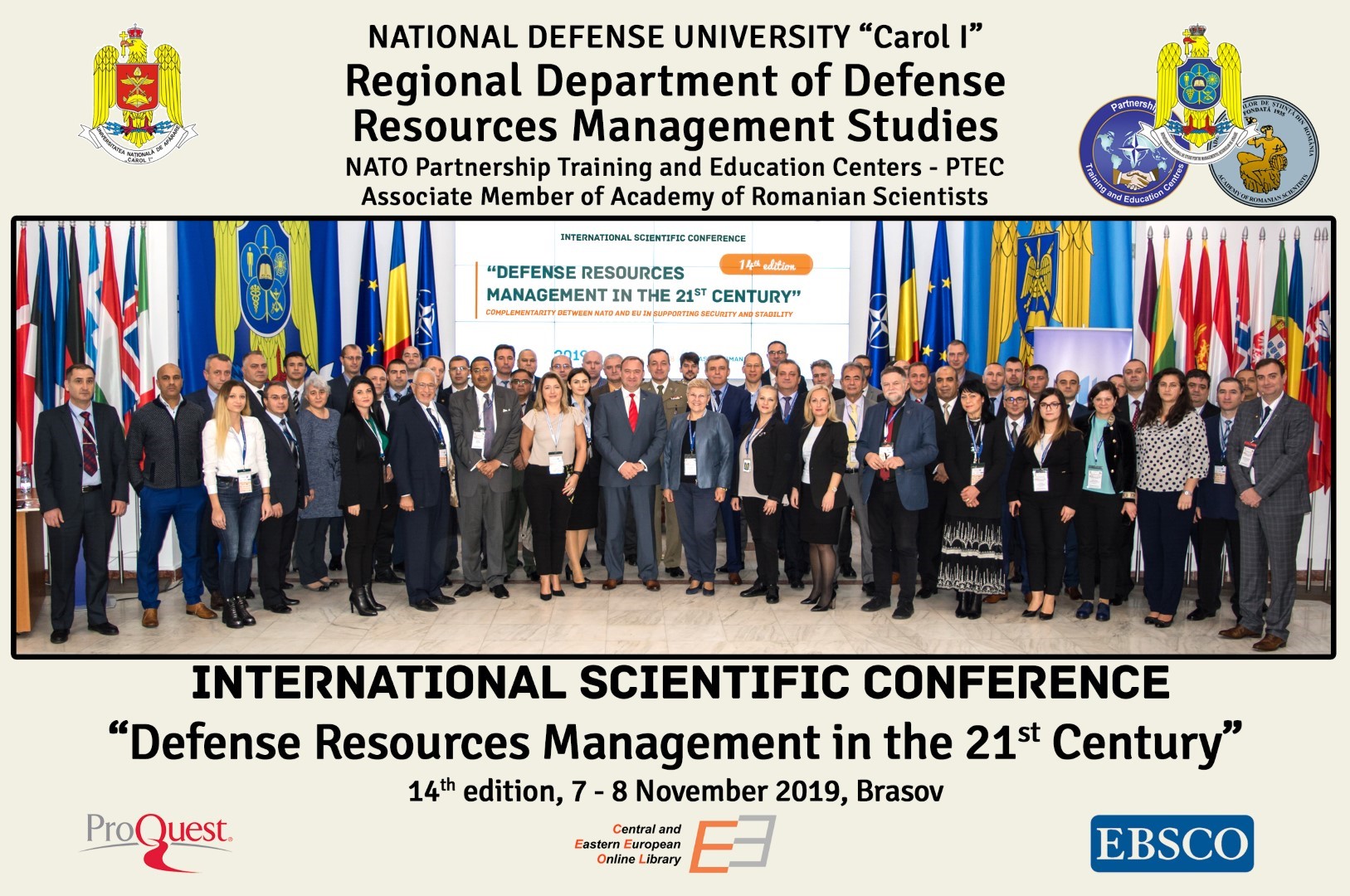
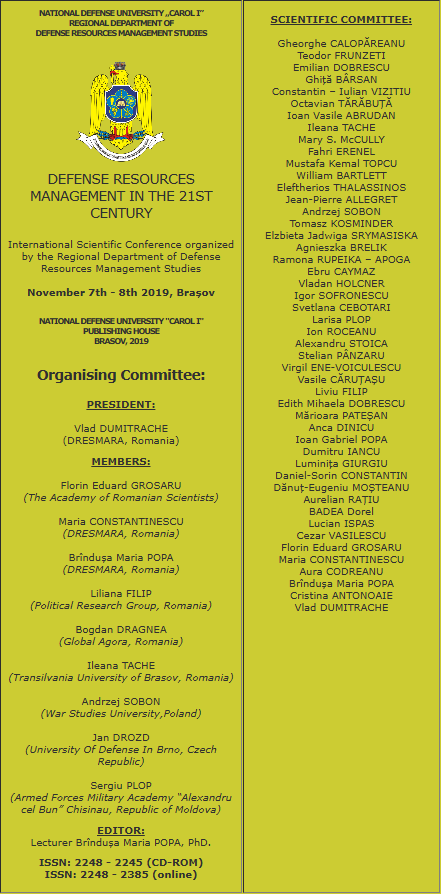
14th edition of the International Scientific Conference
Defense Resources Management in the 21st Century
November 7th – 8th 2019, Brasov, Romania

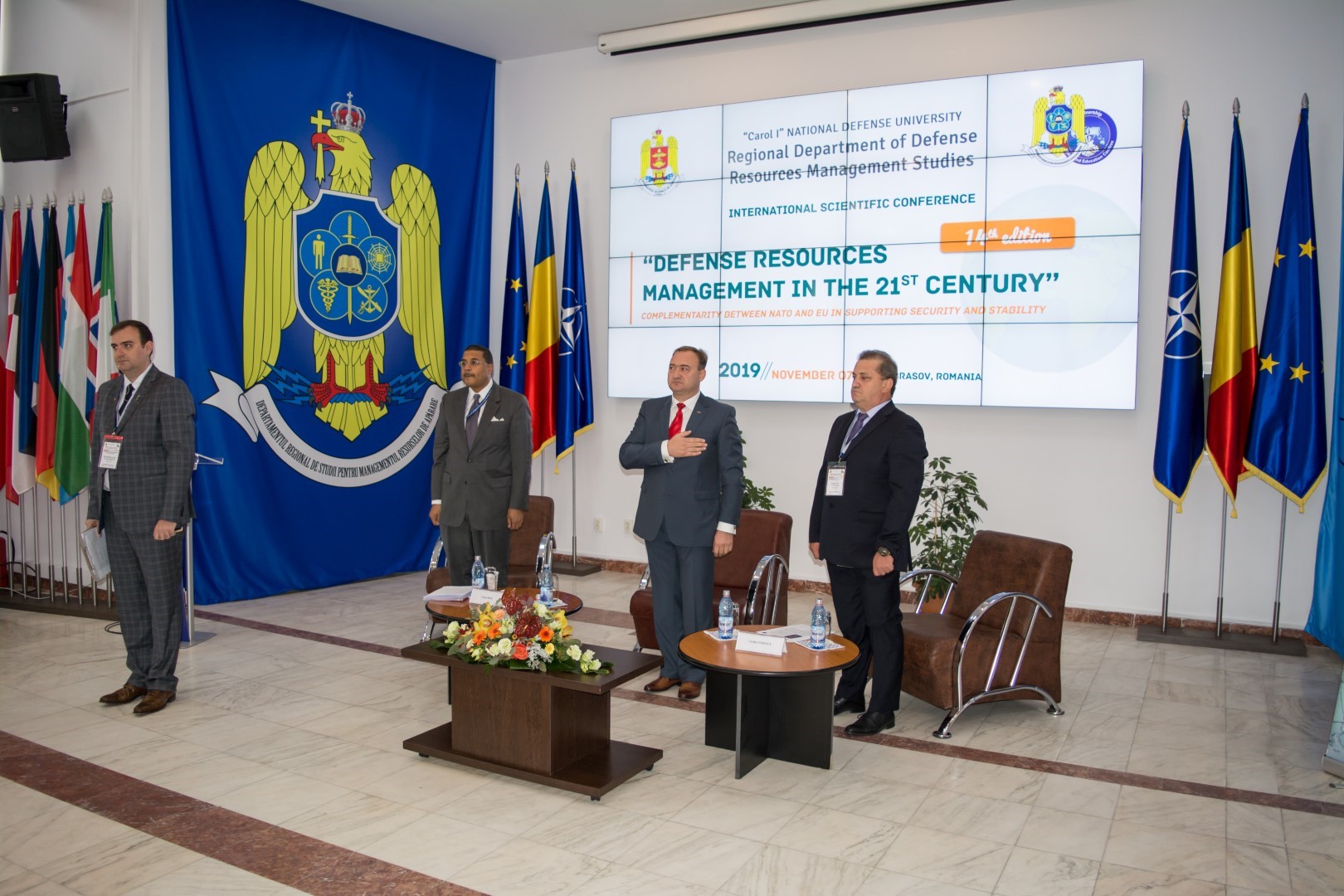
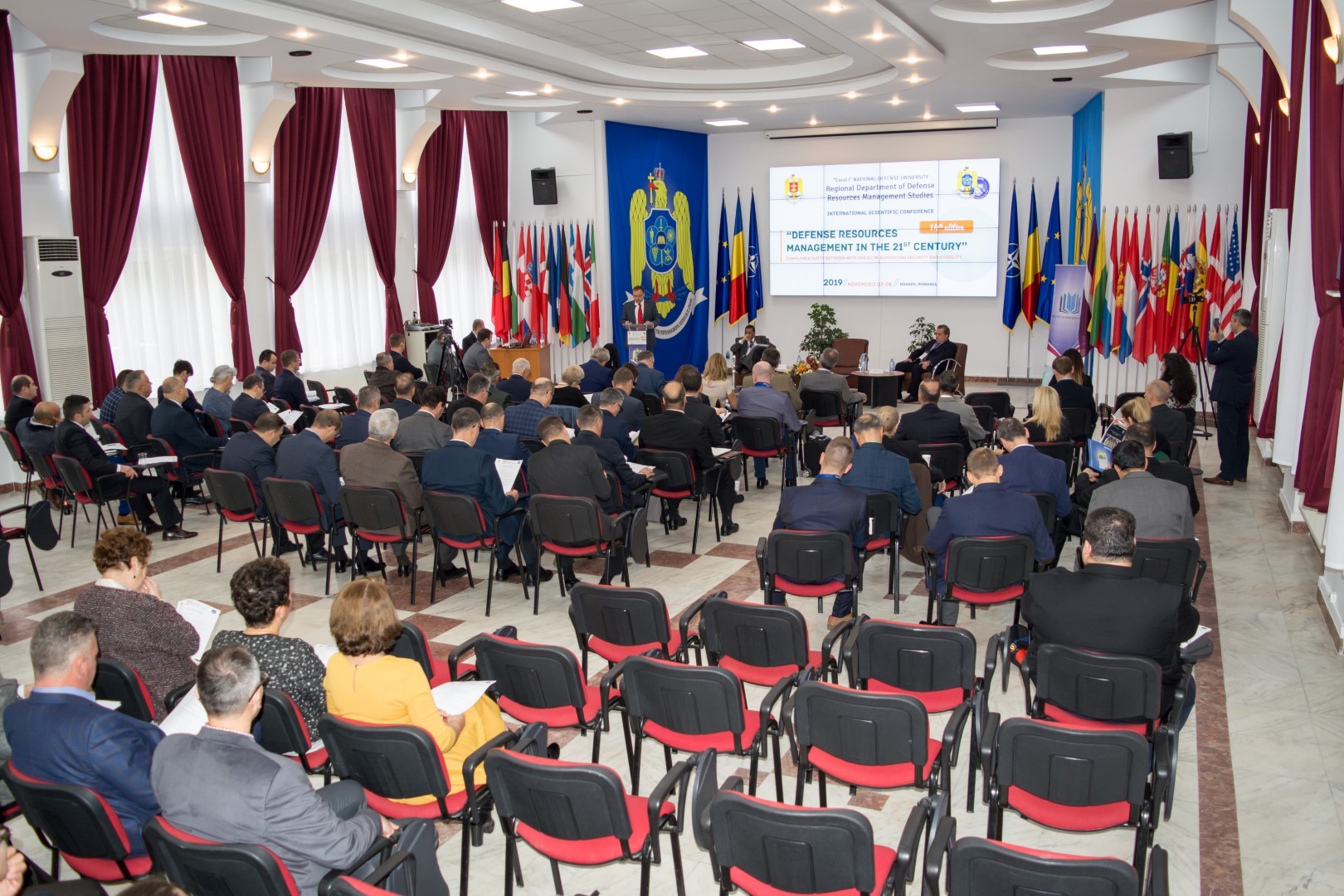
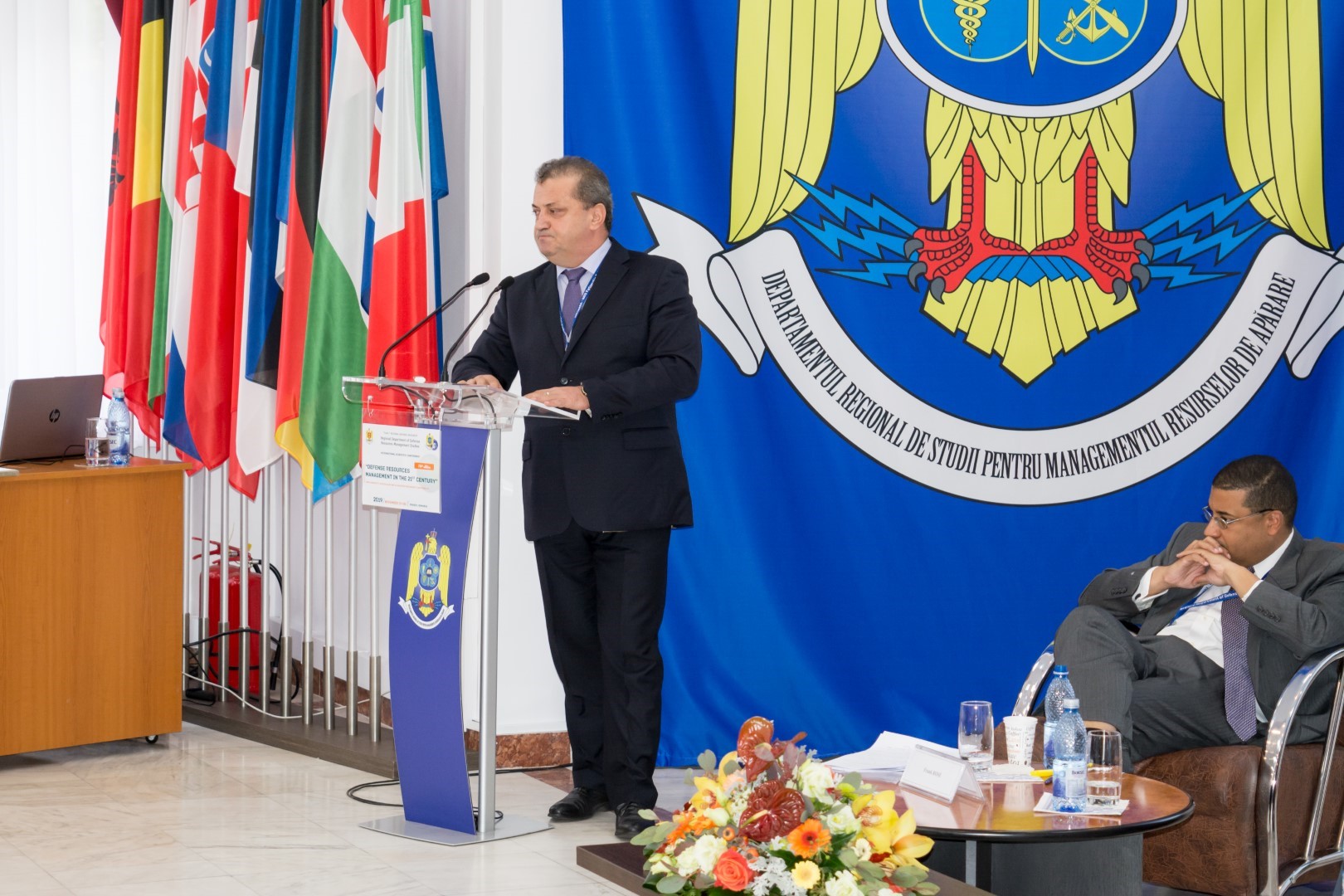
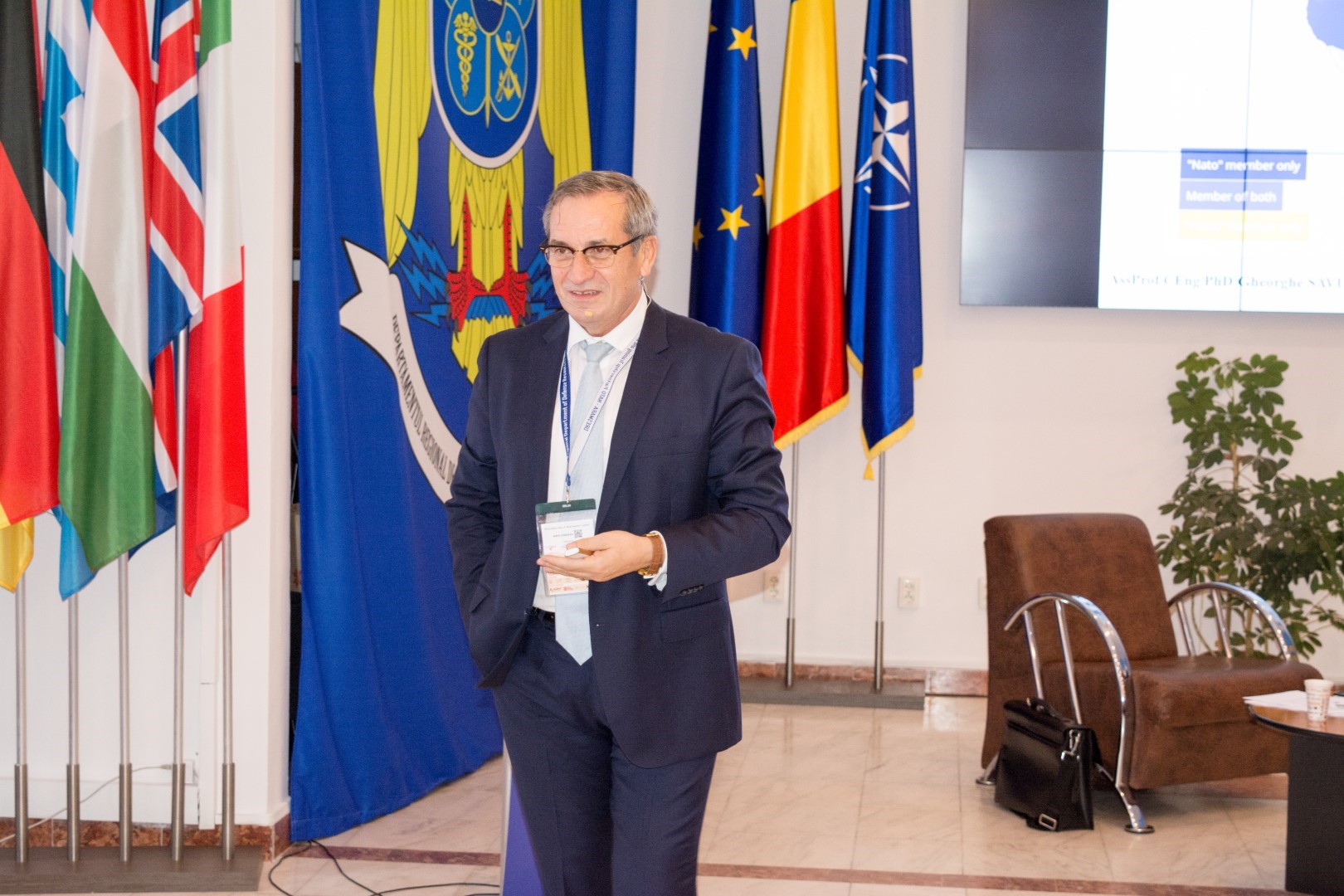
PICTURES FROM THE EVENT
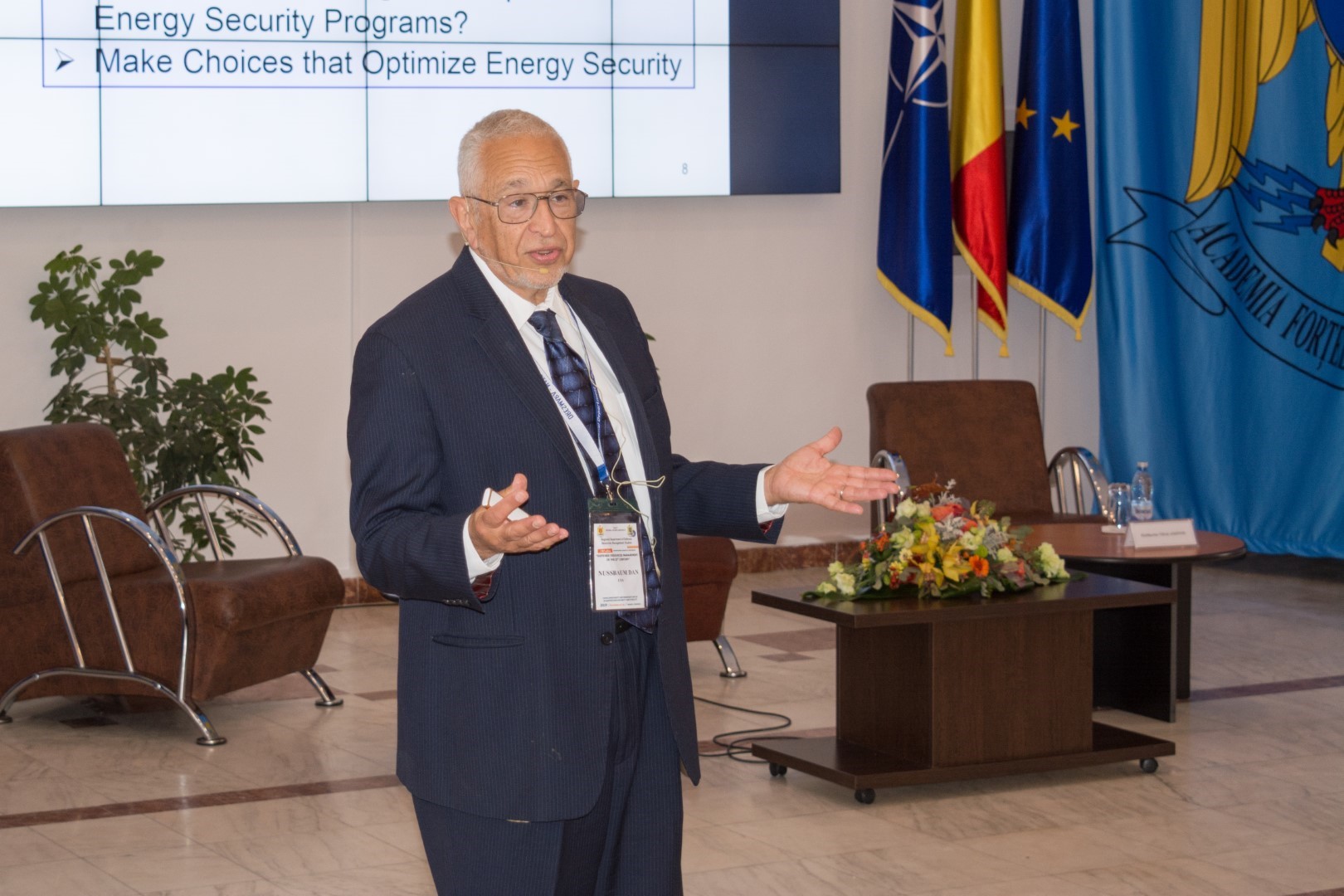
Media
ARTICLES
OPTIMIZING HUMAN RESOURCES UTILIZATION *United Arab Emirates Armed Forces, Abu Dhabi, UAE | |
| Abstract | |
| In an ever-changing world that is exponentially advancing towards dependence upon technology and science-based researches, it is common among organizations to look for the best combination between the cost associated with human resources and incorporating technology to achieve competitive advantage over peers. Human resources remain an essential element in conducting many missions and technology is not able to replace their role yet, hence, optimizing human resources role within the organization remains important to get the expected return on investment spent on them throughout their service life. This paper covers the areas of possible improvement areas where human resources utilization can be optimized and the tools to achieve that. | |
| Key words | |
Optimization; Human Resources; Utilization; Productivity; Retention; Competitiveness;Development. |

CONCEPTUALIZATION OF A KNOWLEDGE MANAGEMENT FRAMEWORK DEDICATED TO THE SECURITY OF CRITICAL INFRASTRUCTURES *“Nicolae Bălcescu” Land Forces Academy of Sibiu | |
| Abstract | |
| The analysis of the proposed topic of the article had as working assumptions two tendencies with opposite directions from the point of view of the contribution to the sustainable development of the present society, namely, the exponential, quantitative and qualitative increase of the dimension of knowledge, as a process that favored in time the social transformation, respectively, the multiplication of the types of threats and the ways of their manifestation that ultimately affect the social balance. The activity segment chosen in this context for investigation is that of critical infrastructures (CI), a relatively recent field set from the point of view of knowledge management (KM) challenges and, at the same time, very sensitive to the desired state for the functionality of nowadays globalized society. The way of approaching the aspects specific to the stated topic is interdisciplinary, at the micro (operator and/or IC holder) but also macro (national and/or European IC system) level, the opportunities to identify possible solutions (4D structured – define, design, develop, deliver), being highlighted by the use of methodological tools of conceptual modeling, applied in the spectrum determined by the coordinates as is and are to be. | |
| Key words | |
critical infrastructures, security, knowledge, modeling. |
A SEA OF TROUBLE. BLACK SEA SECURITY POLICIES BETWEEN NATO AND THE EUROPEAN UNION *Titu Maiorescu University, Faculty of Communication and International Relations, Bucharest, Romania | |
| Abstract | |
| Although a nice leisure destination for summer hot days, the Black Sea is an incredible security landmark for both NATO and the EU. Situated on the eastern border of both, the waters of the Black Sea stem much trouble, when it comes to who is controlling them and who is benefiting from their resources. Being situated on the border of both NATO and the EU, this area has been the object of many strategies aiming to maximize its economic potential and enhance its role of stabilizer in the region. The Black Sea became part of the Three Seas Initiative and has its own Synergy, issued by the EU, looking forward to strengthen its position as an actor of its own within the international community. Despite a clear delineation of maritime borders, the Black Sea remains an object of dispute among the regional powers, looking forward to expand their control and influence over its waters. The aim of the present article is double-folded. On the one hand, it aims to investigate the securityrelated matters surrounding the Black Sea region, while on the other, it will look at the main EU and NATO security policies concerning the Black Sea. The second part of the article shall focus on a compare and contrast perspective, intended to highlight the differences in perspective of the two organizations and their separate views in approaching the Black Sea area. | |
| Key words | |
security, Black Sea, holistic approach, tailored forward presence, enhanced forward presence, NATO, EU. |
MILITARY HUMAN RESOURCES MANAGEMENT IN THE ROBOTIC WARFARE ERA * Ph.D., Istanbul Aydin University, Istanbul, Turkey | |
| Abstract | |
| Today’s world is in the middle of a major revolution in the way the work is done. Unlike previous labor shifts, this revolution is led by the advanced technologies such as Robotic Process Automation (RPA) and Artificial Intelligence (AI). RPA and AI has opened up new horizons both for organizations and their workers. While repetitive and mundane work is performed easily by them, people can allocate time to focus on more strategic activities. Naturally, these revolutionary developments has taken the attention of military forces and started a digital transformation. In due time wars are expected to be fought with hybrid military forces. However the development of these hybrid forces will bring forth several concerns and human resources management is one of the most significant issues among them. In this study, we discuss different points of views to analyze these issues and challenges and try to put forth recommendations for a more modern military human resources management in the robotic warfare era. | |
| Key words | |
Human Resource Management, Military Human Resource Management, Robotic Warfare, Human-Robot Co-working. |
THE BLACK SEA REGION IN THE CONTEXT OF THE GEOPOLITIC INTERESTS OF THE MAJOR POWERS *Faculty of International Relations, Political and Administrative Sciences, Department of International Relations, State University of Moldova,”Alexandru cel Bun” Military Academy/ Chisinau/ Republic of Moldova | |
| Abstract | |
| The Black Sea region over the centuries played an important geostrategic role in the relations between the great powers. Currently, at the confluence of two Versailles culture and religions, the Christian and Islamic and many nations, the Black Sea is a space of both convergence and collision of the interests of the riparian countries, but also of the various international actors. This article outlines the main interests of the great powers. Thus, the geostrategic, political-military and geo-economic interests of the US and NATO, the Russian Federation, and, incidentally, those of the EU are under investigation. | |
| Key words | |
Black Sea basin; Russia; US; EU; NATO; geopolitical interest; geostrategic interest; geoeconomic interest. |
KEY PERFORMANCE INDICATORS (KPIs) THEIR IMPORTANCE AND USE IN EVALUATION PHASE A DASHBOARD APPROACH FOR DEFENSE RESOURCES *Pakistan Air Force, Pakistan | |
| Abstract | |
| The age of information necessitates the assimilation of information at a very fast pace. Threat escalation and aggravation of situation is fast as tele and web based media unfolds the situations and molds the opinion more quickly than the press conferences of institutions. Defense organizations are no exceptions and are heavily being affected in the age of information overflow. Not only in contingencies and asymmetric warfare but combat ready status in peacetime difficult to be reached overnight. It is a systematic process of moving from conventional to modern data flow organization. Alone, database banks are of less use until converted into meaningful information. As the stocks and entitlement volume starts to increase, so becomes difficult the rational and judicious consumption along with adherence to adequate reserves level for optimum war potential. Defense Resource planning and accountability is a responsible regime as failures in conflicts have been often attributed in history for inadequacy of the rolling stock and failed logistic supply chains. The real time stock taking of defense resources can be achieved by spatial visualization of database converted into summary tables and graphical displays. As the consumption record is frequently updated in Enterprise Resource Management (ERP) web portals, the displayed status converted into Dashboards depicts accurate live picture of support commodities and war fighting potential. It also gives clues for economic consumption, prevent wastage and order replenishments in time considering the channels of supplies and shipment time periods. The Dashboards are evolved by the keen interest of end users and offer opportunity for executives and managers for quick glance at performance and evaluate the situation. Decision making matrices facilitate consensus. These ideas were crystallized during the presentations by the faculty and guest lecturers visiting DRESMARA. Lastly, the dividend that cannot be ignored is that realistic and accurate forecast is given for financial requirement projection. This results in austerity and diversion of resources for capability building. The Micro to Macro approach is essential to link field level management with strategic designs of higher command and control institutions. This paper is written based upon action research. Elaborate graphics are incorporated for on spot clarity rather than to rely solely at abundance of verbatim. | |
| Key words | |
Key Performance Indicators (KPIs); e-Dashboard, Defense Resources, Goals / Objectives; Stock Management; ERP Worksheets; Interoperability; Graphical Display; Evaluation. |
THE VULNERABILITY OF CRITICAL INFRASTRUCTURE FROM THE PERSPECTIVE OF CYBER THREATS
Marin-Marian COMAN
“Nicolae Bălcescu” Land Forces Academy of Sibiu
Abstract:
Critical infrastructures (CIs) are the specific physical, non-physical, and cyber resources or assets and systems that provide reliable essential services, which are indispensable for day-by-day life of the population, social wellbeing, and economy. The broad spread and access to existing and new technologies, gadgets or tools based on information and communication technology (ICT) offer to modern societies an important variety of services necessary for current life of citizens and for controlling the well functioning of critical infrastructure sectors. The purpose of this paper is to provide a systematic view related to the vulnerability issues of critical infrastructure functioning in a continuous changing cyber environment from the perspective of emerging cyber threats. During cyber attacks, the normal running of critical infrastructures is affected and the critical infrastructure security programs have to identify and mitigate the cyber threats in order to counter them. The critical infrastructure interdependencies are taking also into account for having a relevant analysis and a broad picture of real effects of cyber attacks on critical infrastructures.
Key words: critical infrastructure protection, vulnerability, cyber threats, cyber security
SECURITY SECTORS OF VENEZUELA
Masters Student Andreea Ștefania COZMEI
National School of Political Science and Public Administration, Department of International Relations and European Integration, MA- Security and Diplomacy, Bucharest, Romania
Abstract:
Taking into consideration the crisis that Venezuela is passing at this time, I considered the opportunity to analyze what could by the factors that occurred the pithiest for the failure of this state. I write this essay for the purpose of understanding in which sectors of security, this state is a failed state. The importance of this paper for the field of international relations consists in the method I use in this approach. Based on Barry Buzan`s vision over the concept of security and securitization, I will try to analyze each security sector by taking a close look on what is happening in this state and, judging by the way these sectors intertwine each other.
Key words: words: security sector; military; economy; state; power; politics; United States of America
MANAGEMENT OF GENDER POLICY IN THE POLISH SECURITY SECTOR
Barbara Drapikowska, Ph.D.
Faculty of Management and Command/War Studies University/Poland
Abstract:
The article concerns the issue of gender perspective in Polish army. The key points of presentation are gender definition in polish society and polish army, presents statistics of women military services, the awareness of gender perspective in the mind of men soldiers. The presentation shows results of qualitative and quantitative research in Polish army (both women and man). The army is the institution has been created by man and for man from many ages. Nowadays, the women are minority in army. There are dominated masculine style of work and communication. It is connected with gender, culture, stereotypies and society`s mentality
Key words: women in army, women military service, gender and security.
THE DIFFERENCE BETWEEN ALLOCATION AND EXPENDITURES INSIDE THE PPBEES MODEL.
Vlad DUMITRACHE, Associate Professor PhD.,
Regional Department of Defense Resources Management Studies – NATO Partnership Training and Education Centre, Brasov, Romania
Abstract:
Since the 2% budget allocation for defense expenditures has been approved by NATO countries several member states have tried to reach this objective. However even though the allocation of 2% of the budget has been achieved, real expenditures of the 2% budget have had several shortfalls.
It is the aim of this paper to analyze the difference between allocations and expenditures for several countries, while also taking into consideration the impact this allocation has on the PPBEES process and some of its vital stages.
Key words: allocation, expenditures, PPBEES process, NATO commitment
SWOT ANALYSIS – MANAGERIAL TOOL FOR ORGANIZATION’S STRATEGIC DEVELOPMENT.
CASE STUDY AT THE ROMANIAN JOINT NATIONAL TRAINING CENTER
Alin GHEORGHE
Romanian Armed Forces, Romania
Abstract:
This paper is a description of SWOT analysis used as a tool for organizations’ strategic development. The study is examining the SWOT Analysis from a theoretical stand point, as a decision making tool for an organization to plan its future development. SWOT Analysis is but one of the methods used by decision makers and their staff to evaluate the organization by assessing the ‘strengths’, ‘weaknesses’, ‘opportunities’ and ‘threats’ pertaining that specific organization. Throughout the study the SWOT analysis is first explained from the decision maker perspective, with a focus on advantages-disadvantages and the limitations of this method, and then each component is described. Finally the study provides a Romanian Joint National Training Center SWOT Analysis as a case study.
Key words: Vision; Mission; SWOT Matrix; Strategic Planning; Master plan;
ARTIFICIAL INTELLIGENCE AND AMERICAN-CHINESE COMPETITION
Associate Professor Piotr Grochmalski
National Security Faculty , War Studies University , Warsaw, Poland
Abstract:
The article analyses the consequences of the strategic rivalry of the People’s Republic of China with the United States for global leadership. It takes place in the area of culture, economy and technology. Both sides are attaching increasing importance to research into artificial intelligence. The US and the PRC recognise that this is the most important area of confrontation. A country that will creates advanced artificial intelligence algorithms will have a strategic advantage over its opponent. At the root of the conflict lies a fundamentally different axiology of both societies, as well as different strategic cultures of both countries. Mutual incomprehension greatly limits the possibility of avoiding confrontation. The growing race between the United States and China for domination in the AI is the most dangerous conflict in the history of the world. It has no precedent. The country that wins it will have a huge strategic advantage over its opponent. The leaders of the USA and the PRC still see the possibility of reaching a consensus. However, it is becoming increasingly difficult to achieve. Deng Xiaoping’s strategy has brought China a renaissance of power. The current Chinese leader, Xi Jinping, has denied Deng’s political will. He accumulated more power than Mao Zedong had. This reduces the chances of a peaceful solution to the growing US-China confrontation.
Keywords: Artificial Intelligence; United States; Republic of China; strategic advantage; deep learning; US Strategy on China; China Strategy on US
ANALYSIS OF ORGANIZATIONAL CULTURE AS A KEY FACTOR IN ORGANIZATIONAL CAPABILITIES MANAGEMENT
Assoc.prof. Dumitru IANCU, PhD*
Assoc.prof. Anca DINICU, PhD**
*“Nicolae Bălcescu” Land Forces Academy of Sibiu
**“Nicolae Bălcescu” Land Forces Academy of Sibiu
Abstract:
The management of the organizational capabilities basically implies the optimization of their specific components mix according to the level, volume and quality of the organizational objectives. Taking into account that the most important component of the organizational capabilities is the human resource, it is to be considered that the manner of its acting is strongly determined by the characteristics of the organizational culture (form, value, intensity, etc.). The results obtained by the organization will occur as a result of the proper location and/or the use of the elements that constitute this important social variable which is the organizational culture, in close connection with the management process, as a whole.
Key words: culture; organization; management; capability.
SKILLS AND TRAITS OF THE HUMINT OPERATOR
Alexandru KIS PhD*
Vasilică ARHIP**
Oliver TARCALA***
*NATO HUMINT Centre of Excellence, Oradea, Romania
**NATO HUMINT Centre of Excellence, Oradea, Romania
***NATO HUMINT Centre of Excellence, Oradea, Romania
Abstract:
Human Intelligence (HUMINT) represents the oldest and most elementary form of intelligence activity; however, in the modern HUMINT collection, the manner in which operations are conducted is more complex, dictated by both official protocols and the nature of the source of the information, and limited by legal and ethical constraints.
In this venture, the performance of HUMINT operators is influenced by several factors that can be both objective and subjective in nature – either technical, economic, social, situational and organizational conditions, or personal, personality, health, and psychological features.
Although many HUMINT collection skills may be taught, the development of a skilled HUMINT operator requires experience in dealing with people in all conditions and under all circumstances. There are many intangibles in the definition of a “good” HUMINT operator, but certain character traits are invaluable and deserve being carefully observed in the selection process, along the career development and task assignments.
Disclaimer: This paper expresses the views, interpretations, and independent position of the authors. It should not be regarded as an official document, nor expressing formal opinions or policies, of NATO or the NATO HUMINT Centre of Excellence.
Key words: Intelligence; HUMINT; operator; traits; skills; personality; communication
THE NEW DIMENSION OF THE WARS OF OUR AGE: TAKING THE PLACE OF MANPOWER OF ARTIFICIAL INTELLIGENCE
SEZGİN Orhan PhD*
KORKUT Cüneyt Master Student**
AYGÜN Salih Master Student***
*Atatürk Strategic Research Institute, Defence Resources Management,National Defence University,İstanbul,Turkey
**Atatürk Strategic Research Institute, Defence Resources Management,National Defence University,İstanbul,Turkey
***Atatürk Strategic Research Institute, Defence Resources Management,National Defence University,İstanbul,Turkey
Abstract: Wars constitute the vast majority of human history. When and how the prehistoric wars began were the subject of discussion among historians and anthropologists. Social roles were not evident in hunter-gatherer societies except for age and gender differences. With the emergence of agriculture, it is thought that societies are attacking each other’s villages especially in times of scarcity these attacks were becoming increasingly organized. Over time, arrows, swords and armor were made. With the use of gunpowder in firearms, the wars became more organized, and the wars we called conventional wars arose. Conventional wars, especially with the industrial revolution, increased their importance. The struggle for power and interest of humanity did not end; on the contrary it has become increasingly intensified and increased and in this case it has laid the ground for asymmetric wars. Terrorism, CBRN attacks, and proxy wars have become the terms we hear more and more every day. Apart from all these struggles, technology has reached such a point that it has begun to be seen in many dimensions of war. In this article, the aim is to draw attention to the use of artificial intelligence in today’s wars and the points that are expected to be used in the future. Keywords: War; Threat; Technology; Artificial Intelligence
PRIVATE RURAL PROPRETY IN NATIONAL
AND EUROPEAN CONTEXT
PhD Lecturer eng. Mancia Mircea Sebastian*
PhD Univ.Prof.eng. Mancia Aurora**
*Faculty of Construction, Cadastre and Architecture / Department of Cadastre / University of Oradea / Oradea / Romania
** Faculty of Construction, Cadastre and Architecture / Department of Cadastre / University of Oradea / Oradea / Romania
Abstract:
The Earth is by nature, the most precious economic asset and most essential means of human’s production. Out of all rights, real estate ownership is among the most important, it is the foundation of sustainable and coherent democracy and development; it is the guarantor of economic mechanism functioning. At different stages of our history laws have been elaborated that have tried to improve the structure of private property in Romania. The fundamental desideratum of the Romanian citizens, and in the particular, of the Romanian peasants was and still is to be the owner of the dwelling where they lives and the land they is working on.
Key words: real estate, sustainable and coherent democracy, private property, human’s production, economic asset.
WHY MILITARY ADVANTAGE DOES NOT GUARANTEE VICTORY IN CONTEMPORARYIRREGULAR CONFLICTS? EXPERIENCES AND CONCLUSIONS FROM 20TH AND 21ST CENTURY UNCONVENTIONAL WARFARE
Prof. Col (Ret) Maciej MARSZAŁEK*
Dr Cyprian Aleksander KOZERA**
*National Security Faculty, War Studies University, Warsaw, Poland
**National Security Faculty, War Studies University, Warsaw, Poland
Abstract: The aim of the following analysis is to update academic knowledge about failures of modern asymmetric and irregular conflicts. Basing upon statistical data up to 1998, authors briefly analyse recent interventions and conflicts in Afghanistan and Iraq in order to draw conclusions and provide some suggestions on the matter of conducting modern irregular warfare. Keywords: Irregular; Asymmetric; Unconventional; Conflict; Iraq; Afghanistan
STRATEGIC COMMUNICATION IN THE MILITARY
Lucian MICHINICI
Romanian Air Forces, Bacău, Romania
Abstract:
Global communication capabilities make news and information simultaneously available from the strategic to the tactical levels of military operations. New communication technologies and the expansion of international media alliances have affected the conduct of military operations to a degree equal to that of emerging weapons technologies.
Key words: Information; news; communication; media; rumour;
EUROPOL and INTCEN
SECURITY PROVIDERS FOR THE EUROPEAN SPACE
Mihail PĂDURARU*
PHD Candidate Bucharest Academy of Economic Studies, MSc Mihai Viteazul National Intelligence Academy
Claudia-Iohana VOICU**
MSc Candidate Military Technical Academy Ferdinand I, Bucharest Academy of Economic Studies
*Law Enforcement Officer, Honorary Vice President Chamber of Commerce and Industry Romania-Turkmenistan
**Director for Research, Strategy and Development Chamber of Commerce and Industry Romania-Turkmenistan
Abstract:
As technological advances accelerated changes in the security paradigm, the rise and unpredictable alterations of hybrid warfare strategies and rise of terrorism gained significant terrain on the global scene, often proving to be difficult to identify and neuter in a timely matter.
Moreover, as the European space saw an increase in threats’ number and severity, members signalled the need for an EU security mechanism that answer to NATO blindspots.
The present paper argues that enhancing the activity of specialized EU intelligence-sharing bodies would strengthen regional security, ensure the defense of non-Nato EU states, and complement NATO mandate.
Key words: intelligence-sharing, security blindspots, EU-NATO Complementarity
STUDIES REGARDING THE DIFFICULTIES ENCOUNTERED IN ACCESSING COHESION FUNDS FROM THE OPERATIONAL PROGRAM-HUMAN RESOURCES
Captain Andrei PAIU
18th Surveillance and Reconnaissance Brigade “Decebal”, Timisoara, Romania
Abstract:
This study is about the way this cohesion fund is given to the European community member states with the purpose of helping UE member states with a gross national product per citizen less than 90% than the general media reduce their deficits between economic and social levels and to stabilise their economy. These funds are a part of the European community structural policy with the sole purpose of balancing economy and social growth, urbanism, interregional and international cooperation between states and revitalization of the economy .Romania as a UE member state will benefit from this fund through a program of financing starting from 2021 until 2027.
Key words: cohesion funds; cohesion policy; economy; social growth; gross national income; Financial Framework.
ECONOMICS BEHIND DEFENCE POLICY: DID BOXER PROCUREMENT FORCE GERMANY INTO THE NATO eFP MISSION IN LITHUANIA?
Major Donatas PALAVENIS, PhD student
Institute of University Studies, Department of Political Science
The General Jonas Žemaitis Military Academy, Vilnius, Lithuania
Abstract:
In 2016 at the Warsaw Summit NATO in response to increased threats from Russian Federation, made a decision to enhance its forward presence (eFP) by establishing four battle groups in Estonia, Latvia, Lithuania and Poland. The battalion size military formation in Lithuania is led by Germany as a framework nation and has a multinational character where other NATO nations contribute. Lithuania has began to spend more money for defence since the Crimea annexation by the Russian Federation and war in Donbas region (Ukraine) and has currently reached NATO’s requirement for defence needs of 2% from Gross Domestic Product (GDP). Due to the increased defence budget the armed forces could afford to procure better armaments, ammunition, re-equip and properly man them. On a similar timeframe decisions for major procurements (for more than 2,2 billion Euro), that will be completed until 2022 were made, where majority of tenders were in favour for German companies. This naturally leads to a conspiracy theory that Lithuania indirectly pays for its security to Germany. But is this really true? Was Germany influenced by these procurements while making decision for eFP mission? This research reveals facts and figures of Lithuanian and German economic and military interrelationship, and presents conclusions that are not in favour for conspiracy theorists but rather outlines rationalistic and pragmatic approach of both nations.
Key words: Lithuania; Germany; NATO; military procurements; Defence Policy; enhanced forward presence (eFP); economics.
LEVEL OF ENERGY SECURITY AND ITS IMPLICATIONS ON INSTRUMENTS OF NATIONAL POWER
Kakhaber PARCHUKASHVILI
Ministry of Defense, Georgia
Abstract:
The lack of energy resources and dependence on a single supplier could cause internal/external threats and provoke various instruments of national power. This thesis illustrates that geographically distant states should be linked to the same energy interdependence chain to have an affordable and sustainable energy supply and security margin. The Regional Security Complex Theory (RSCT) applicability to energy gives all contributors diversification of supply, and also, economic, as well as, security and environmental benefits. This paper employs the argumentative method to illustrate the Energy Security situation. Additionally, this paper gives recommendations on what should be done to achieve the main National Interests from Georgia’s Energy Security perspective to not to provoke various instruments of national power.
Keywords: energy security; national security; regional security; instruments of national power; interdependence; energy balance; availability; affordability; sustainability.
TASK BUDGET – A NEW CONCEPT OF PUBLIC FINANCE MANAGEMENT IN POLAND
Dr Małgorzata MILIAN-POGONOWSKA
National Security Faculty, War Studies University, Warsaw, Poland
Abstract:
This paper discusses the links between long term financial planning and performance based budgeting and assesses the beneficial effect that extension of financial period can produce. The article begins with presenting the rationale and advantages behind introduction of multiannual budget planning. In the second part the author looks at the legal framework for multiannual financial planning in Poland. Next, the connection between performance based budgeting and multiannual financial plans and the strengths of the latter are covered.
Key words: multi-annual financial planning; state budget; performance budget; budget forecasts; Poland
THE PECULIARITIES OF THE COMMUNICATION PROCESS
University Lecturer BRÎNDUȘA MARIA POPA, PhD
Regional Department of Defense Resources Management Studies – NATO Partnership Training and Education Centre, Brasov, Romania
Abstract:
Communication is one of the basic elements and processes in any organization. Simply put, an organization is a group of people set up to meet specific goals. Achieving these goals depends to a large extent on proper coordination and integration of human effort. Coordination and integration of activities are possible only if there is an effective communication system within the organization. The more efficient this system is, the better the relationship between the management and the execution personnel.
Key words: communication, organization, characteristics, objectives
THE IMPLICATIONS OF THE ECONOMIC ASPECTS ON THE SECURITY OF AIR TRANSPORT SERVICES
Ionuț – Claudiu POPA
Bucharest University of Economic Studies, Bucharest, Romania
Abstract:
The theoretical debates in the security area have undergone an extensive evolution, especially in the last 20 years. Eloquent aspects of this research were found in typical works elaborated by research specialists such as Taurek, Floyd Balzacq, and Stritzel. Based on the exploratory analysis that targeted the specialized literature in the field, but also through some case studies, the implications of the problems from the economic sphere on the security aspects involved in the air transport services were demonstrated.
The costs generated by the security services at the airport, to facilitate the transfer of passengers, have seen a substantial increase in the last years, even if the investments were substantial.
Through this article, we aim to devise a picture of the whole problem in the field of economic complicated, predominantly related to cost, price, and performance funding aviation security. The research area includes cost-benefit analysis, the relationships between production input prices, information flows, human factors that are involved in measuring performance, and the role of technology and risk-based security.
Key words: Air-Transport Services; Marketing; Flight Security.
THE INFLUENCE OF THE PERSONNEL MANAGEMENT IN THE AIRLINE COMPANIES ON THEIR FINANCIAL COORDINATES
Ionuț – Claudiu POPA
The Bucharest University of Economic Studies, Bucharest, Romania
Abstract:
In a competitive and dynamic market, airline companies must focus on the influence that people, groups and structures have on the behavior within the organization, as well as on the marketing products and strategies developed by competitors. The ever-increasing competition within the global airline industry forces the entities in the field to invest more and more to obtain a satisfactory market share. Selecting the optimal business model means implementing a sustainable competitive strategy.
The analysis of the European competition of air transport include certain subjects specific to South-East Europe. Air transport in Romania is growing much faster compared to the maritime and land transport sectors. There is a significant structural change in the aviation market, due to the substantial increase in the share of low-cost carriers in scheduled international traffic.
Through this article, a comparative study was carried out, between the main elements of the organizational behavior of an air transport company in Romania and other entities from European space. It aims to diagnose the main problems that affect the organization’s framework as well as to elaborate on potential paths of action. The research was of an exploratory type, to identify the differences that exist in the level of personnel management in the air transport companies in Romania and abroad and highlight the impact that these differences exert on the results obtained by the company (notoriety, appreciation, revenues, and profits).
Key words: organizational management personnel; air transport; financial values.
ANALYSIS OF MANAGEMENT MECHANISMS OF
RISKS TARGETING NATIONAL SECURITY
Assoc.Prof. Aurelian RAȚIU PhD.
”Nicolae Bălcescu” Land Forces Academy, Faculty of Military Sciences, Sibiu, Romania
Abstract:
The advancements in the field of security, both nationally and regionally, exacerbate the dynamic, complex and fluid character of the vulnerabilities, risks and threats that directly impact the functionality of national security institutions. The specificity of the application of the risk analysis within national security organizations is characterized by the following aspects: timely adaptation to the historical context and to the requirements of the security environment, the efficient achievement of the organizational objectives and the assurance of a permanent internal organizational control. Thus, an analysis regarding the need to use the risk management mechanisms in the case of institutions in the field of national security is justified. The present paper discusses ways to select the optimal mechanisms specific to security risk management.
Key words: security institutions; risks and threats; security environment; risk assessment; risk management; mechanisms of security risk management.
HUMAN RESOURCE MANAGEMENT IN ARMED FORCES
Sadi SADIYEV
Ministry of Defence International Military Cooperation Department, Baku, Azerbaijan
Abstract:
One of the characteristic features of modern management is to understand the increasing role of humans. The knowledge, ability, practice, speciality and creativity of the employees are considered as a core resource leading to strategic development of an institution in the atmosphere of high dynamic of technological progress, increasing of competition and the globalising of economy
Key words: management; military management; human resours; personnel; professional psychological selection;
THE ROLE OF THE EU AND NATO IN PROVIDING EUROPEAN DEFENCE AND SECURITY. COMPLEMENTARITY OR COMPETITION?
Gheorghe SAVU Associated Profesor
National University of Political Studies and Public Administration
Abstract:
Sharing strategic interests and facing the same security challenges, NATO and the EU are determined to enhance their cooperation on issues of common interest and are working together to improve their political consultations and cooperation in crisis management, capability development and information-sharing. They seek a coordination of the support provided to their common partners in the East and South, especially in capacity building. For both organisations, close cooperation is an important element in the development of a comprehensive and integrated approach to crisis management, with the application of both military and civilian instruments.
Key words: security; strategy; cooperation; consultation; crisis management;
SOCIAL ORGANISATION IN POLAND AS UNTAPPED DEFENCE RESOURCES
LTC Andrzej SOBOŃ, PhD
National Security Faculty, War Studies University, Warsaw, Poland
Abstract:
The end of the Cold War changed the identification of national security. In fact, non-military factors also shape security. One of the elements of democracy is a civil society characterized by the activity and the ability to self-organize independently of state institutions. Independence does not mean rivalry with democratic power, but a sense of community and responsibility for specific social problems. Self-realizing groups taking part in various areas of activity are the source of an unlimited number of initiatives: cultural, sporting, educational and other enabling the development of broadly understood values. In civic society, associated groups, unrestricted by the pressure of state power, establish civic organizations or initiatives in which they implement specific ideas and values. Considerations over the essence and regularities of social organizations are necessary for the realization of the common good, understood as the defence of the state.
Key words: social organization; pro-defence; defence resources; national security
ENHANCING NATIONAL DEFENCE PLANNING
Liviu-Daniel STRÂMBEANU
Ministry Of National Defense, Romania
Abstract:
Considering the various constraints of political, economic and social nature, as well as the availability of limited resources, a reliable defence planning system should ensure the achievement of the defence policy objectives in the most effective and efficient way, seeking to make the best use of available resources. Additionally, taking into account that the defence planning process has a long-term horizon, appropriate consistency and continuity of policy objectives must be ensured in order to avoid undesired consequences on the long run that might translate in future unacceptable security risks.
Key words: planning; risks, efficiency, resources, objectives
1.
THE IMPORTANCE OF FORECASTING IN STRATEGIC PLANNING
Halina ŚWIEBODA, Assoc. Prof.
National Security Faculty, War Studies University, Warsaw, Poland
Abstract: Forecasting techniques can be helpful in planning the future for various business entities, administrations and for creating a state vision. Among the many available techniques, only a few are needed for strategic planning of the state. Other forecasting methods may be useful for other more specialized entity functions. There are no forecasting techniques that could predict the future in any way. They are useful in narrowing the scope of future entity options to make decisions about the future. In the context of strategic planning, the following forecasting models are used: time series forecasts, scenario writing and Delphi technique. Scenario planning, scenario thinking, or scenario analysis is an approach used in strategic planning, which is used as a tool to develop more robust and flexible long-term plans. Used in forecasting, it is sometimes referred to as scenario writing and is used to generate different imagined results, based on different sets of initial conditions and anticipated trends in key strategic factors. The decision maker then makes the decision on the most likely outcome from the many scenarios presented.
Key words: forecasting methods; strategic planning; scenario; decision;
SECURITY AND DEFENSE IN THE EU GLOBAL STRATEGY
Professor Ileana TACHE PhD
Transilvania University, Brasov, Romania
Abstract:
The aim of this paper is to analyze the Security and Defense Policy of the European Union (EU) and to identify its present and future challenges in the context of the tense international climate.
Using an explorative policy analysis of the main stages of the EU Security and Defense Policy and the main findings discovered in the relevant literature overview, this paper is structured as follows: it presents first a brief history of the Common Security and Defense Policy (CSDP), then it investigates the role of the Lisbon Treaty in consolidating EU’s crisis management apparatus and comments the EU Global Strategy as an integrated approach to conflicts and crises; in the end, the paper concludes by averting the future challenges of the European security and defense and by stressing the need of a thorough reform of the EU security and defense policy, including a European Defense Union, the creation of a European army, a better pooling of EU member states military resources and a stronger EU-NATO cooperation.
Key words: EU-NATO cooperation; Common Security and Defense Policy; Lisbon Treaty
ON DEFENSE EDUCATION FOR SCHOOL AGE STUDENTS IN POLAND – THE GENESIS AND ESSENCE OF THE SUBJECT “SECURITY EDUCATION”
Ilona URYCH
National Security Faculty, War Studies University, Warsaw, Poland
Abstract:
The aim of this article is to characterize defense education for school-age students in Poland with particular emphasis on the genesis and essence of the subject security education. However, in order to achieve the narrative goal, first a description of defense education of young people in the Second Polish Republic and in the period 1945-89 was given. Next, the defense education of school-age students in Poland after the political transformation in 1989 was discussed. The last part of the article describes the essence and conditions of the change from civil defense training to security education. The article ends with a summary and conclusions indicating the need for scientific research to determine the direction and type of changes in the content of security education.
Security education; defense education; military classes; military education
INFRASTRUCTURE USE AND DEVELOPMENT PLANS – GENERAL CONSIDERATIONS
Petrică ZAHARIA, PhD candidate
National Defense Academy „Carol I”, Bucharest
Abstract:
The real estate heritage faces a number of challenges and opportunities. All indications show that, depending on how it is argued, infrastructure development will become increasingly important. Challenges and opportunities include the management of real estate, the sustainable development of the infrastructure and the need to increase the cooperation between the services for the structures. Use and development plans could be valuable tools for program managers through assistance in performing functions, assisting communication along the chain of command and resolving conflicts, and could include a long-term infrastructure work program. contains all current and planned projects, which should be implemented during this time. This should be the basis for long-term program managers for infrastructure costs..
Key words: heritage; infrastructure; use and development plans; directors of program.